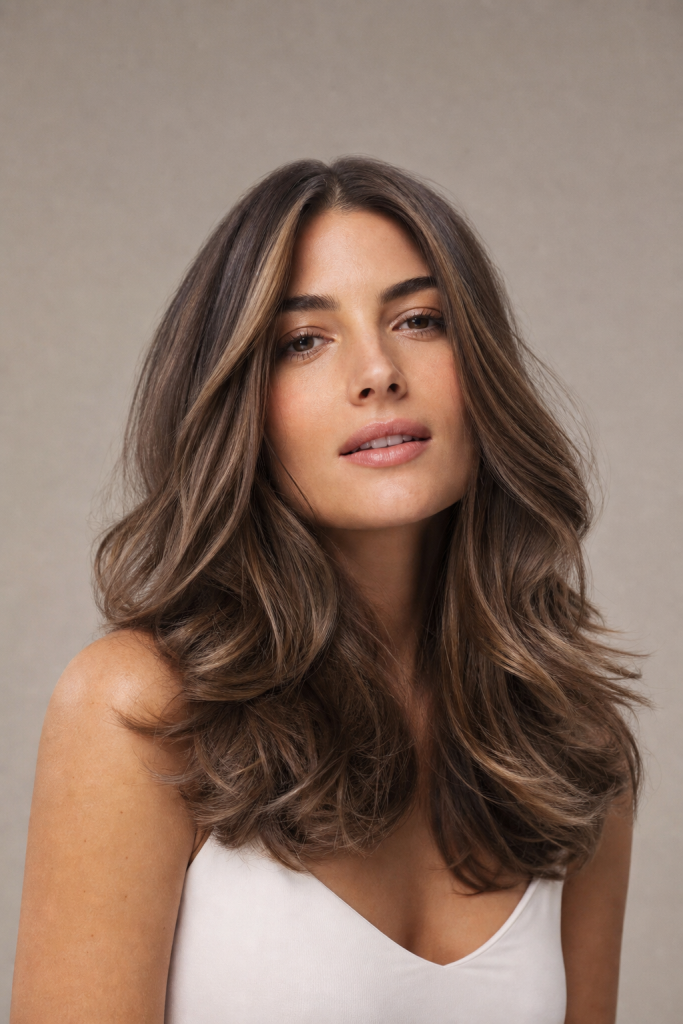

Layered hair can make a haircut look lighter, fuller, and more dimensional, but it also needs right styling and care to keep its shape. When layers are managed well, they frame the face, add movement, and help fine hair look more lifted or thick hair feel less heavy. When they are ignored, they can fall flat, flip in odd directions, or make split ends more visible. Learning how to style layered hair starts with understanding hair texture, using right tools, and keeping ends healthy between salon visits.
Introductory illustration
Good layered hair care does not need to be complicated. Most people need a balanced routine: moisture in shower, heat protection before styling, volume at roots, smoothness at ends, and regular trims. Whether your hair is straight, wavy, curly, fine, or thick, small changes in technique can make layers look intentional instead of messy.
Why Layered Hair Needs a Different Routine
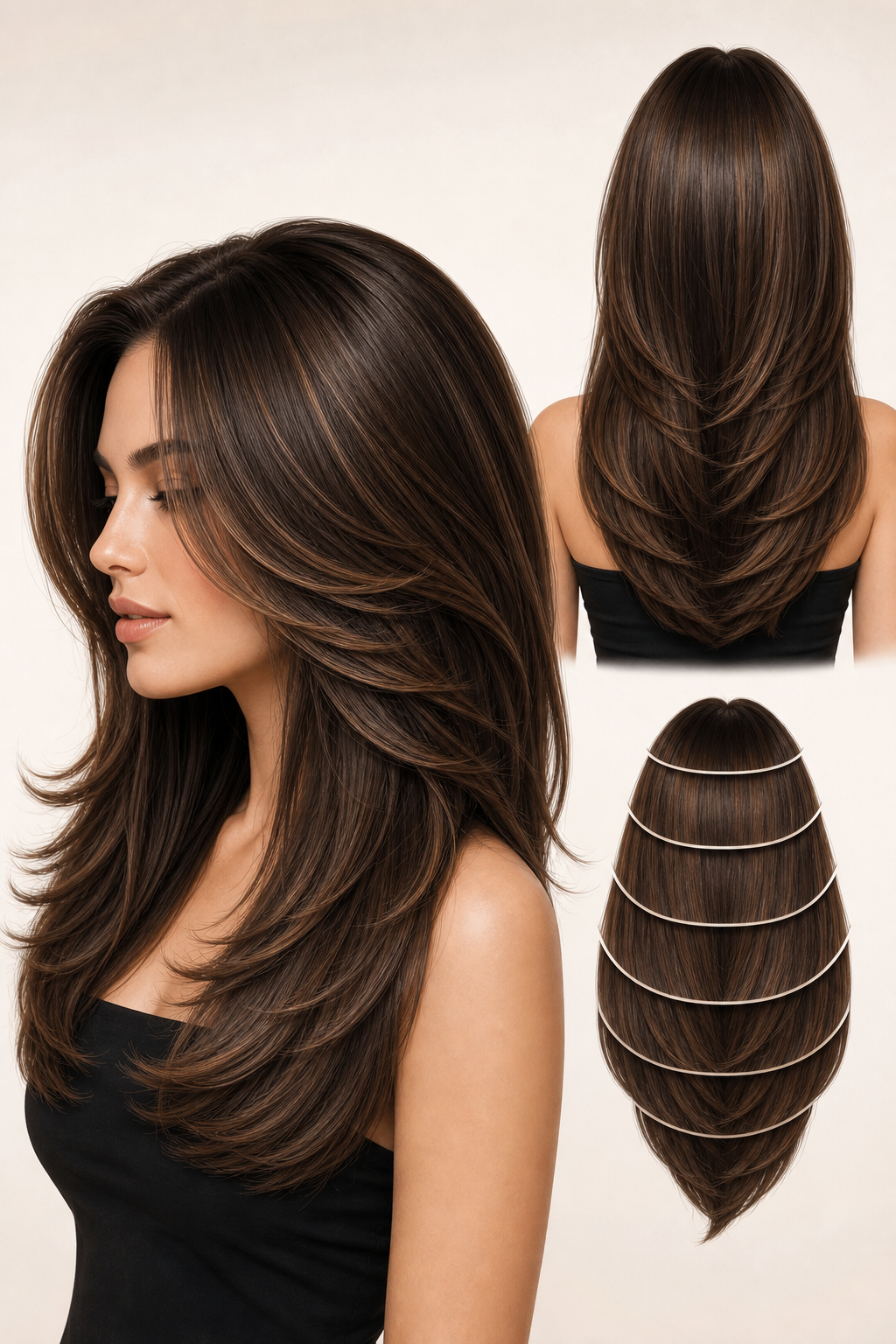
Layers change how weight sits in hair. A one-length cut has a solid perimeter, while layered hair has shorter pieces blended through longer pieces. This gives movement, but it also means every section may dry and fall differently. Shorter layers often need lift near roots, while longer layers need polish at mid-lengths and ends.
Because layers expose more ends throughout the haircut, dryness and damage can show faster. Split ends, frizz, and rough texture are easier to notice when hair is cut in different lengths. That is why styling and maintenance work together. You can create volume with blow-drying, but hair will still look dull if it lacks moisture or has damaged ends.
Best Tools for Styling Layered Hair
Right tools make layers easier to control. You do not need every styling gadget, but a few basics can improve shape and reduce frizz.
- Blow dryer: Useful for adding lift, bounce, and direction to layers.
- Round brush: Helps curve layers inward or outward and creates soft volume.
- Boar-bristle brush: Works well for smoothing wavy or frizz-prone hair.
- Nylon-bristle ceramic brush: Good for straight hair that needs bounce and shape.
- Wide-tooth comb: Helps detangle wet hair without rough pulling.
- Curling iron or flat iron: Useful for occasional styling, as long as heat protectant is used.
If hair is curly, avoid aggressive dry brushing. It can separate curl pattern and create frizz. Instead, detangle with conditioner in shower or use a wide-tooth comb on damp hair. For straight layered hair, a round brush can create salon-style movement with less effort than hot tools.
How to Style Layered Hair After Washing
Freshly washed hair is easiest to shape because roots and ends can be directed while damp. Start with shampoo and conditioner suited to your hair type. Fine hair often needs lightweight formulas, while dry, coarse, curly, or color-treated hair usually benefits from moisturizing products.
Step 1: Remove Excess Water Gently
After washing, squeeze out water with a towel instead of rubbing. Rough towel-drying can lift cuticle and make layers look frizzy. A microfiber towel or soft cotton T-shirt can help reduce friction, especially on wavy or curly hair.
Step 2: Apply Heat Protectant
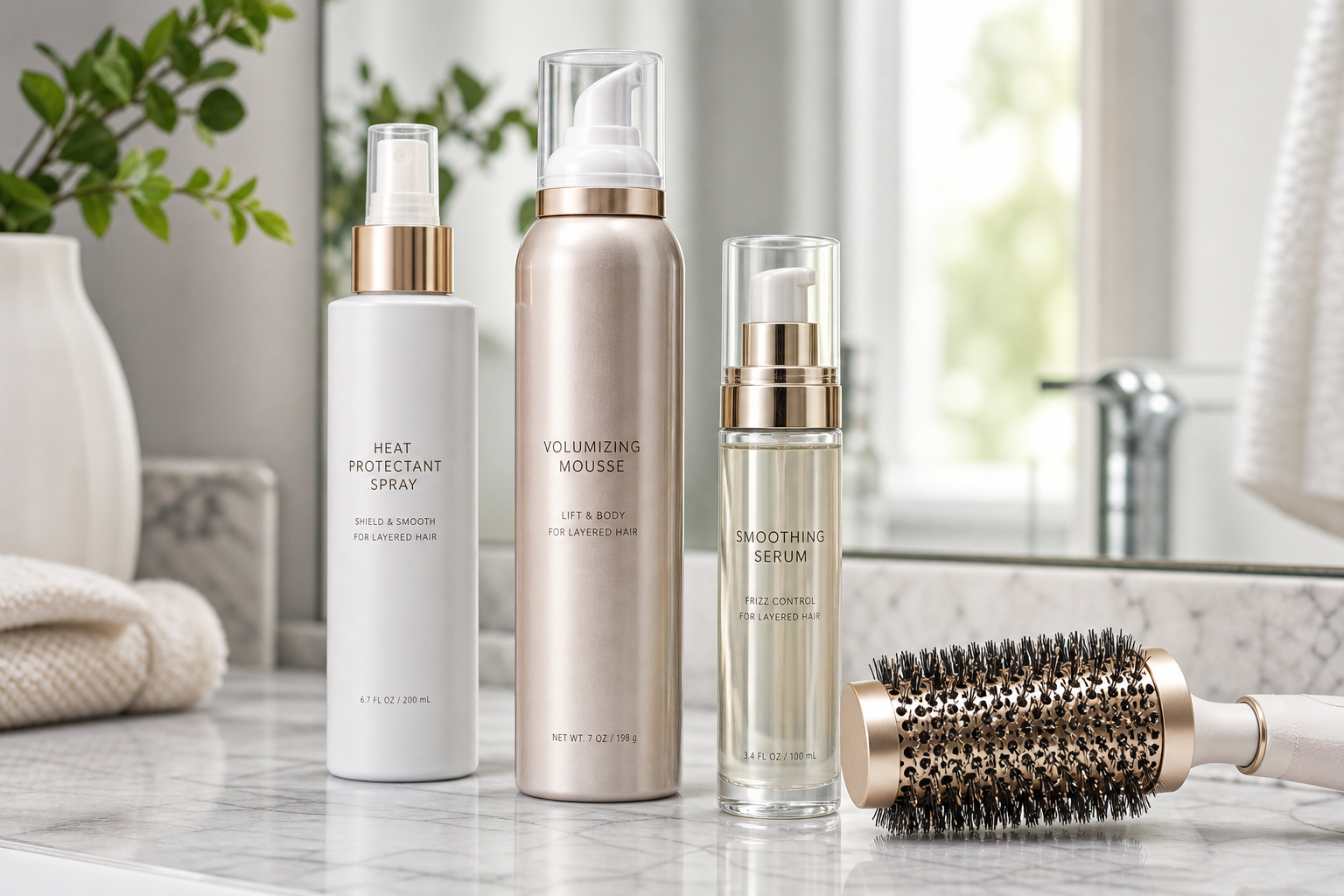
Before blow-drying or using hot tools, apply heat protectant from mid-lengths to ends. This step matters because layered ends are more exposed to heat. Heat protectant helps reduce dryness, breakage, and rough texture. If hair is fine, choose a lightweight spray. If hair is thick or dry, a cream or serum may work better.
Step 3: Add Volume at the Roots
For volume, apply mousse, root spray, or volumizing product near scalp. Focus on crown and areas where layers tend to fall flat. Avoid using too much product on ends because it can make hair feel heavy or greasy. Layered hair often looks best when roots have lift and ends have smooth movement.
Step 4: Blow-Dry for Shape
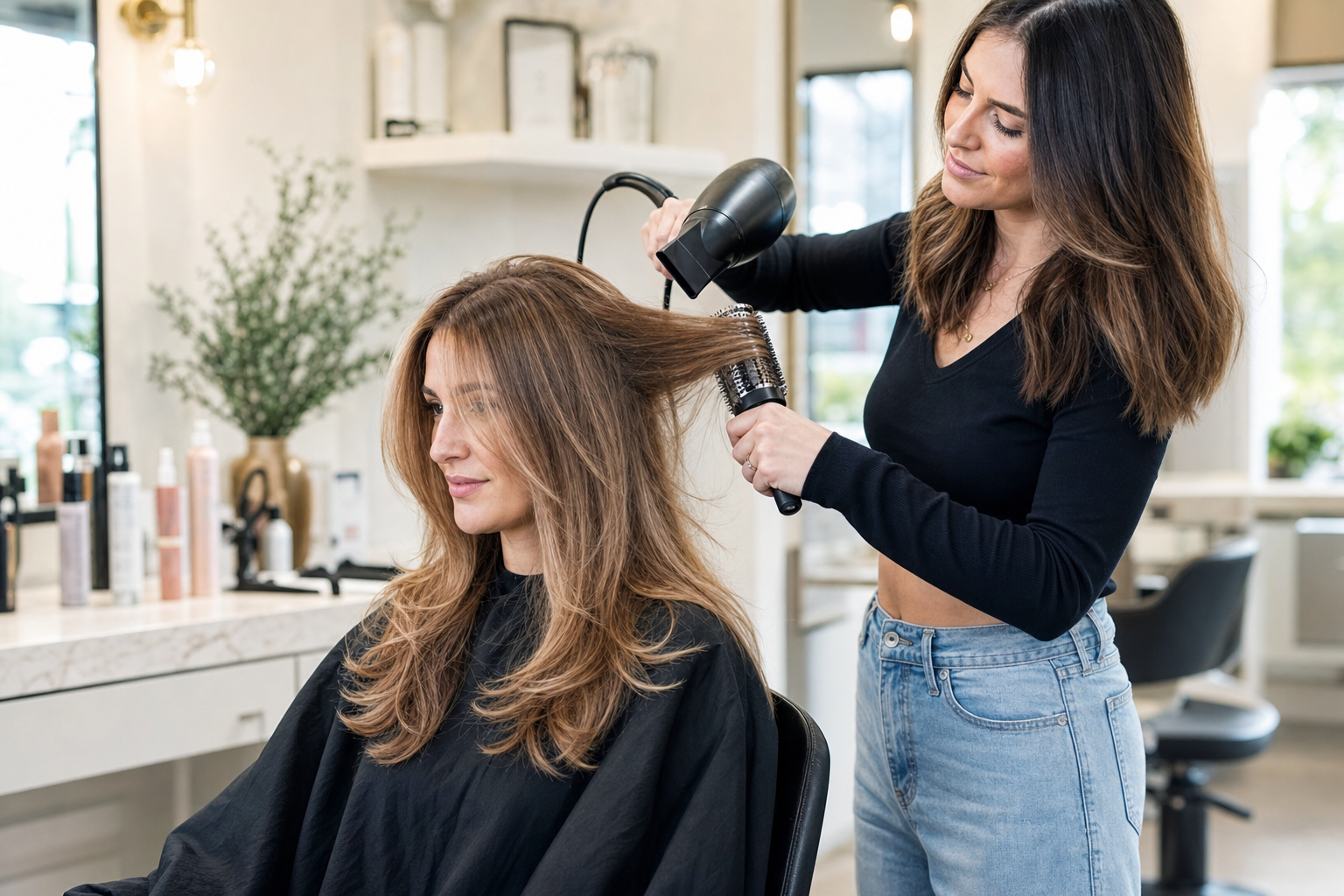
Flip hair forward and dry roots for a few minutes to create lift. Use fingers to gently raise roots while directing air from scalp toward ends. Once hair is about 70 to 80 percent dry, flip it back and use brush to shape sections. Roll a round brush under each section, pull outward, and curve ends slightly to create bounce.
For face-framing layers, direct brush away from face for soft movement. For shorter layers around crown, lift upward while blow-drying to avoid flatness. Keep dryer moving to prevent overheating one section.
Layered Hair Styling Tips by Hair Type
Detailed illustration
Different textures need different methods. One styling routine rarely works for everyone, especially with layers.
Fine or Thin Layered Hair
Fine hair can benefit from layers because they create illusion of fullness, but too much product can make it collapse. Use lightweight volumizing mousse or root spray. Blow-dry roots first, then smooth ends with a brush. Avoid heavy oils near scalp. If ends look dry, use one small drop of smoothing serum only on tips.
Thick Layered Hair
Thick hair often needs layers to remove bulk, but it can puff out if not styled with control. Use moisturizing shampoo and conditioner, then apply smoothing cream before blow-drying. Work in sections so each layer dries in right direction. A larger round brush can help stretch and polish thick hair without making it too flat.
Curly Layered Hair
Curly layers need definition, not over-brushing. Apply leave-in conditioner or curl cream while hair is damp. Scrunch upward to encourage curl pattern. Diffuse on low or medium heat, or air-dry if preferred. Once dry, avoid touching curls too much. A small amount of serum or lightweight oil can smooth frizz on ends.
Wavy Layered Hair
Wavy hair can look great with layers because natural bends add movement. Use texturizing spray or curl-enhancing cream, then scrunch. For polished waves, wrap random sections around a curling iron, leaving ends slightly loose for modern shape. Alternate curl direction so layers do not clump together.
Products That Help Layered Hair Look Better
Product choice should support texture and styling goal. Too many products can weigh hair down, while too few may leave layers flat or frizzy.
- Volumizing mousse: Adds body to fine or flat layers.
- Root lift spray: Helps crown layers stay raised longer.
- Smoothing serum: Reduces frizz and makes ends look healthier.
- Leave-in conditioner: Adds moisture for dry, curly, or damaged hair.
- Texturizing spray: Adds separation and a casual, lived-in finish.
- Deep conditioner: Restores softness and shine when used weekly.
Use smoothing serum carefully. Apply from mid-lengths to ends, never directly on scalp unless product label says it is safe for roots. For short or fine hair, one drop is often enough. For long, thick hair, a few drops may be needed.
How to Keep Layered Hair Healthy
Healthy layers hold shape better. Damaged hair may still be styled, but it usually looks rough, dry, or uneven. Consistent care helps layered hair stay soft and manageable.
Use Moisturizing Shampoo and Conditioner
If hair feels dry or damaged, choose moisture-rich shampoo and conditioner. Curly and coarse hair often needs more hydration than straight fine hair. Sulfate-free formulas can be gentler for some people, especially if hair is color-treated, frizz-prone, or dry.
Deep Condition Weekly
A weekly deep conditioner can make layers look smoother and more polished. Apply from mid-lengths to ends and leave on according to product directions, usually 5 to 30 minutes. This is especially useful for hair that is bleached, heat-styled, curly, or naturally dry.
Limit Daily Heat Styling
Heat can help layers look styled, but daily hot tools can cause breakage. Try to alternate between heat styling and heat-free styling. Overnight braids, foam rollers, twist buns, and curl creams can create shape without as much damage. When using heat, keep temperature reasonable and always apply heat protectant.
How Often to Trim Layered Hair
Most layered haircuts look best with trims every six to eight weeks. Shorter, choppier layers may need more frequent shaping, while long soft layers can sometimes go longer. If hair grows fast or has bangs, trims every four to six weeks may be better.
Regular trims keep layers blended and prevent ends from looking thin or frayed. This matters more with layered cuts because uneven damage can make haircut look messy. If you want to grow hair longer, ask stylist for a dusting or micro-trim to remove split ends without losing much length.
Ways to Refresh Layered Hair Without a Full Haircut
Related context illustration
If your layered haircut feels boring but you do not want a major change, small updates can make a big difference.
- Add face-framing layers: Soft pieces around face can brighten overall shape.
- Try curtain bangs: They blend well with many long and medium layered cuts.
- Change part: A side part can create instant volume and new movement.
- Add subtle highlights: Dimension can make layers more visible.
- Use waves: Soft curls or waves show off different lengths beautifully.
Color can make layers stand out, but avoid over-processing hair. Highlights, balayage, and gloss treatments can add dimension when done carefully. If hair is already dry or damaged, focus on repair before adding more chemical services.
Common Mistakes to Avoid With Layered Hair
Layered hair often becomes hard to manage because of small mistakes repeated often. Avoid these habits if you want smoother, more flattering layers.
- Skipping heat protectant: Leads to dryness and breakage over time.
- Using heavy products on fine hair: Makes layers fall flat quickly.
- Brushing curly hair dry: Can cause frizz and disrupt curl shape.
- Waiting too long between trims: Makes layers lose definition.
- Overusing hot tools: Can make ends look fried and uneven.
Another common mistake is asking for dramatic layers without considering daily styling. Choppy or short layers often need more effort than long blended layers. If you prefer a low-maintenance routine, ask for soft layers that air-dry well with your natural texture.
What to Ask Your Stylist
A good layered haircut should match hair texture, density, face shape, and lifestyle. Before cutting, tell your stylist how often you heat-style, whether you air-dry, and how much time you want to spend on hair each morning. Bring reference photos, but stay open to adjustments for your hair type.
Best layered haircut is not only one that looks good leaving salon. It should also work with your normal routine at home.
Ask whether light layers, long layers, face-framing layers, or choppy layers suit your hair. Fine hair often does better with subtle layering, while very thick hair may need more internal layering to remove weight. Curly hair should be cut with curl pattern in mind so layers do not shrink unevenly.
Conclusion
Knowing how to style layered hair comes down to balance: lift at roots, control through mid-lengths, smoothness at ends, and steady maintenance. Use right brush for your texture, protect hair before heat, choose products that match density, and trim regularly to keep shape fresh. With a simple routine and smart product choices, layered hair can look full, healthy, and easy to wear every day.