

Healthy family meals are more than plates of vegetables or low-calorie recipes. They are balanced, nourishing meals shared by household members, built around whole foods, realistic schedules, and eating habits that support long-term well-being. For families in the United States, where busy workdays, school activities, takeout options, and rising grocery costs often shape dinner decisions, understanding what makes a meal healthy can make daily choices easier and less stressful.
Introductory illustration
At core, healthy family eating means serving meals that provide needed nutrients, fit family preferences, and can be repeated without feeling like strict dieting. It does not require perfect ingredients, expensive specialty foods, or hours in kitchen. It means building meals with vegetables, fruits, whole grains, lean proteins, healthy fats, and reasonable portions while limiting excess added sugar, sodium, and highly processed foods.
What Are Healthy Family Meals?
A practical definition of healthy family meals is: balanced meals planned, prepared, or selected to meet nutritional needs of adults and children while supporting shared eating routines, positive food habits, and enjoyable family time. This definition matters because health is not only about nutrients. It also includes consistency, accessibility, culture, budget, and relationship with food.
In everyday terms, a healthy family meal might be grilled chicken with brown rice and roasted broccoli, turkey chili with beans and avocado, whole-wheat pasta with tomato sauce and salad, salmon tacos with slaw, or lentil soup with whole-grain bread. These meals differ in flavor, cost, and cooking time, but they share one thing: they combine multiple food groups in way that fuels body and satisfies appetite.
Healthy meals for families do not need to be labeled “clean,” “detox,” or “diet.” In fact, rigid food rules often make family eating harder. Better approach is flexible balance: add more nutrient-rich foods most of time, keep favorite comfort foods in reasonable portions, and create repeatable routines that fit real life.
Key Components of a Balanced Family Meal
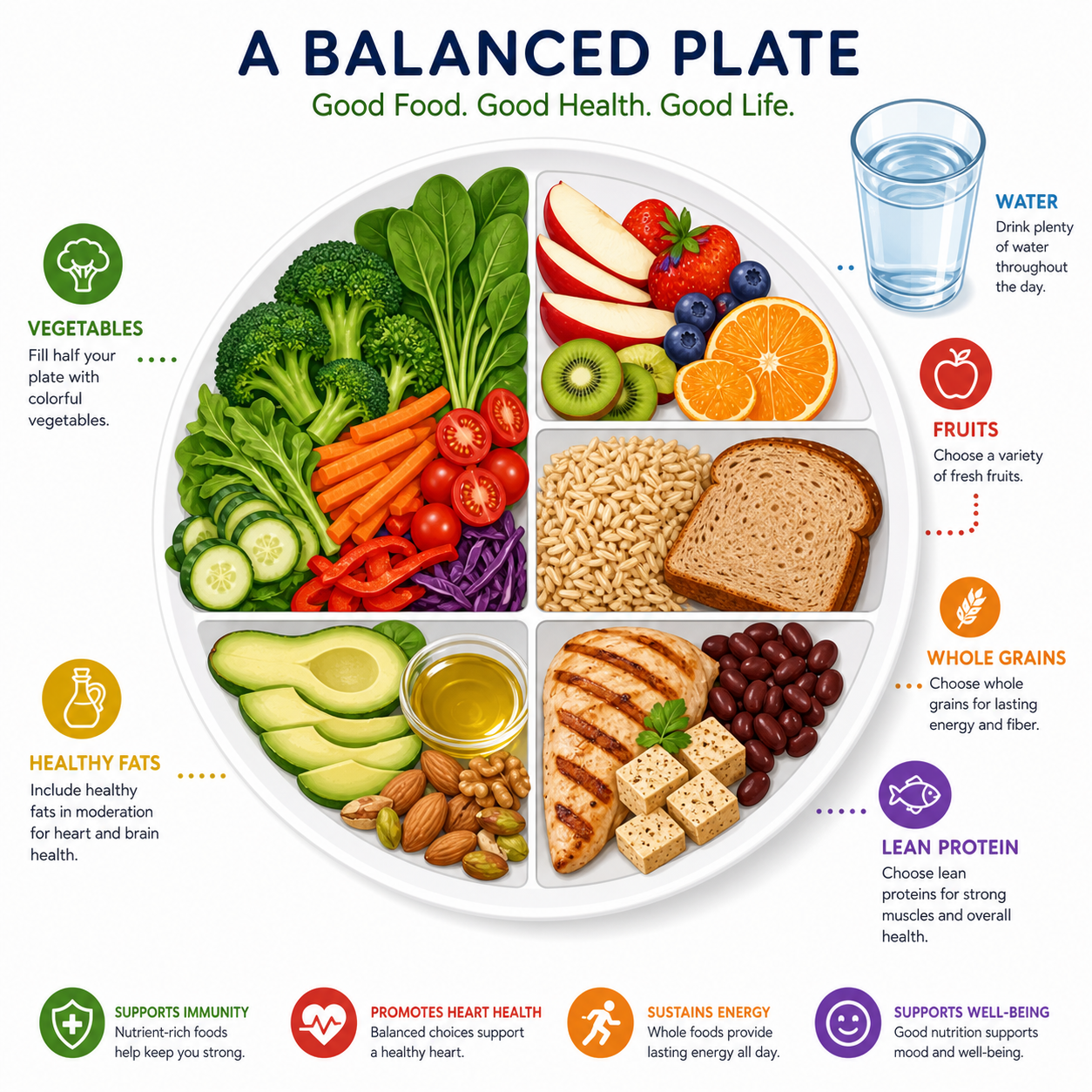
Most healthy dinners can be built from simple plate structure. Half plate contains vegetables or fruit, one quarter contains protein, one quarter contains grains or starchy vegetables, and meal includes small amount of healthy fat. This model works for many American households because it is visual, flexible, and easy to adapt.
Vegetables and Fruits
Vegetables and fruits provide fiber, vitamins, minerals, antioxidants, and color. Fresh produce is great, but frozen and canned options can be equally useful when chosen wisely. Frozen spinach, peas, berries, broccoli, and mixed vegetables can save time. Canned tomatoes, beans, corn, and peaches packed in juice can help families cook faster and spend less.
Lean Proteins
Protein helps with growth, muscle repair, fullness, and stable energy. Family-friendly options include chicken, turkey, eggs, fish, Greek yogurt, tofu, beans, lentils, lean beef, cottage cheese, and nuts or seeds when age-appropriate. Rotisserie chicken, canned tuna, canned salmon, and pre-cooked lentils can support healthy eating on busy nights.
Whole Grains and Smart Carbs
Whole grains and starchy vegetables give energy and important nutrients. Good choices include oats, brown rice, quinoa, whole-wheat pasta, corn tortillas, whole-grain bread, barley, potatoes, and sweet potatoes. Carbohydrates are not enemy for families. Better focus is quality, portion, and pairing with protein and fiber.
Healthy Fats
Healthy fats support brain health, hormone function, and satisfaction. Olive oil, avocado, nuts, seeds, peanut butter, and fatty fish like salmon are practical choices. Small amounts add flavor and help meals feel complete.
Benefits of Healthy Family Meals
Main benefits of healthy family meals go beyond better nutrition. Shared meals can improve physical health, emotional connection, child development, food confidence, and household routines. Research across family health and nutrition fields consistently shows that regular family meals are linked with better dietary patterns and stronger family communication.
Better Nutrition for Kids and Adults
Families who eat balanced meals at home often consume more fruits, vegetables, fiber, calcium, and key micronutrients. They also tend to consume fewer sugar-sweetened beverages, fried foods, and oversized restaurant portions. For children, repeated exposure to varied foods can help them become more open to new tastes over time.
Healthy meal habits also support adults. Parents and caregivers often eat better when they plan meals for entire household. A simple dinner built from protein, vegetables, and whole grains can reduce late-night snacking and improve energy next day.
Stronger Family Connection
Family meals create natural space for conversation. Dinner table can become place where kids talk about school, parents share plans, and everyone slows down. Meal does not need to be formal. Even 20 minutes together can support belonging and emotional safety.
Healthy family eating works best when meal table feels supportive, not like nutrition lecture. Connection makes consistency easier.
Improved Food Habits
Children learn by watching. When they see adults eat vegetables, drink water, try new foods, and stop when full, they absorb those habits. Balanced meals also teach portion awareness without shame. Over time, kids can learn what different foods do for body: protein helps growth, carbs provide energy, fruits and vegetables support health, and treats can fit occasionally.
Potential Savings
Home-cooked meals can lower food costs compared with frequent takeout. This is especially true when families use affordable staples like eggs, oats, beans, rice, frozen vegetables, potatoes, canned tomatoes, and seasonal produce. Meal planning also reduces food waste because ingredients get used across multiple meals.
Support for Weight and Heart Health
Healthy family meals can support healthy weight management by improving portion control and increasing fiber and protein. Meals lower in sodium and added sugar can also support heart health, blood pressure, and metabolic wellness. These benefits matter in US households where processed convenience foods and restaurant meals can contain high levels of salt, sugar, and saturated fat.
Healthy Meal Planning for Busy Families
Detailed illustration
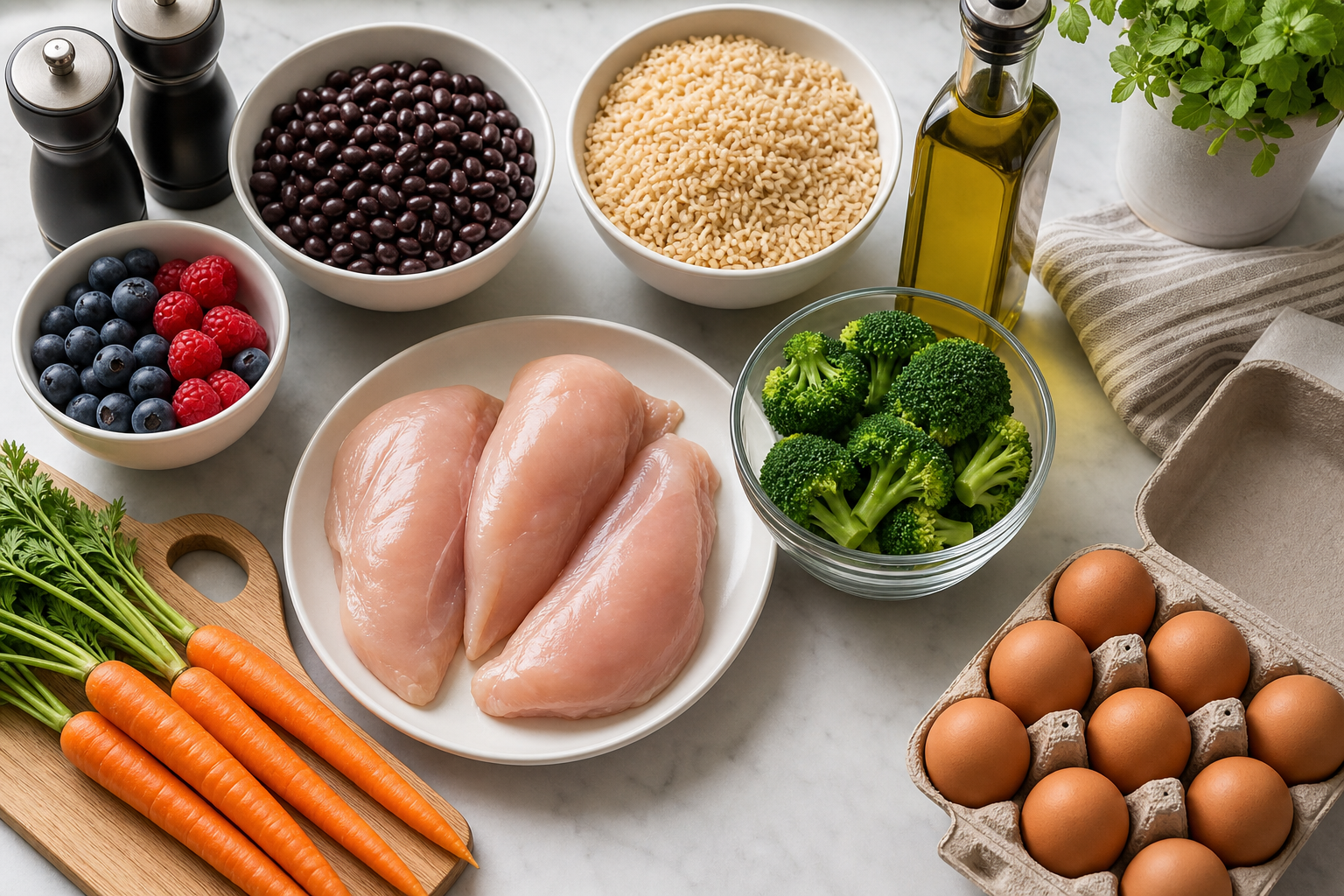
Healthy meal planning does not mean cooking from scratch every night. It means deciding ahead enough to avoid constant last-minute choices. Many families do well with a simple weekly pattern: one pasta night, one taco night, one sheet-pan meal, one soup or chili, one leftover night, and one flexible takeout or easy meal night.
Planning should start with schedule, not recipe book. If Tuesday has soccer practice and homework, choose 15-minute dinner like scrambled eggs, whole-grain toast, and fruit. If Sunday has more time, cook chili or roast chicken for leftovers. Realistic planning wins over ambitious planning.
Simple Planning Steps
-
Check weekly calendar and mark busiest nights.
-
Choose 3 to 5 dinners before shopping.
-
Use ingredients already at home first.
-
Prep one or two basics, such as cooked rice, chopped vegetables, or washed fruit.
-
Keep backup meals ready, such as frozen vegetable stir-fry, canned soup plus salad, or bean burritos.
Easy Healthy Dinner Ideas for US Families
Best healthy dinner ideas are familiar, adaptable, and kid-friendly. Instead of replacing favorite meals, improve them. Add vegetables to tacos, choose whole-grain buns for burgers, serve fruit with breakfast-for-dinner, or use Greek yogurt instead of sour cream.
-
Turkey taco bowls: ground turkey, black beans, brown rice, lettuce, salsa, corn, avocado, and cheese.
-
Sheet-pan chicken: chicken thighs or breasts with potatoes, carrots, onions, and green beans roasted together.
-
Whole-wheat spaghetti: marinara sauce, lean meatballs or lentils, side salad, and fruit.
-
Salmon rice bowls: baked salmon, rice, cucumber, edamame, carrots, and light sauce.
-
Bean and vegetable chili: beans, tomatoes, peppers, onions, spices, and toppings like yogurt or avocado.
-
Breakfast-for-dinner: eggs, whole-grain toast, berries, spinach, and yogurt.
How to Make Healthy Meals Kid-Friendly
Kids may reject new foods, especially vegetables, bitter flavors, or mixed dishes. This is normal. Pressure usually backfires. Better strategy is repeated exposure, choice, and involvement. Offer one or two familiar foods alongside new item. Let children choose between carrots or cucumbers, apples or oranges, rice or potatoes.
Involving kids can also increase interest. Younger children can wash produce, stir ingredients, or set table. Older kids can help choose recipes, pack lunches, or cook simple meals. When children feel ownership, they are more likely to try food without conflict.
Practical Picky Eater Tips
-
Serve dips like hummus, yogurt ranch, or guacamole with vegetables.
-
Cut foods into fun shapes or small portions.
-
Use build-your-own meals like tacos, bowls, wraps, and baked potatoes.
-
Avoid forcing bites; keep offering food calmly.
-
Pair new food with safe favorite food.
Common Mistakes to Avoid

Related context illustration
One mistake is aiming for perfection. Families do not need organic everything, homemade every night, or zero sugar. Another mistake is making separate meals for every preference. This can exhaust caregivers and teach kids that family meals are negotiable on demand. Better approach is one meal with flexible parts, such as taco fillings served separately.
Another mistake is treating healthy food as punishment. If vegetables are framed as required before dessert, children may see them as obstacle. Instead, talk about taste, crunch, color, strength, and energy. Keep message positive and neutral.
Budget-Friendly Healthy Family Meals
Nutritious meals can fit modest grocery budgets. Beans, lentils, eggs, canned fish, frozen vegetables, oats, rice, pasta, peanut butter, cabbage, carrots, apples, bananas, potatoes, and yogurt are strong staples. Store brands often offer same nutrition at lower price. Buying family packs and freezing portions can help too.
Leftovers are also powerful. Roast chicken can become sandwiches, soup, or quesadillas. Rice can become fried rice with eggs and vegetables. Chili can top baked potatoes. This reduces waste and makes healthy eating easier during week.
Conclusion
Healthy family meals are balanced, enjoyable, realistic meals that nourish bodies and strengthen household routines. Their benefits include better nutrition, stronger family connection, improved food habits, possible grocery savings, and support for long-term health. Families do not need perfect menus or expensive ingredients. They need repeatable meals, flexible planning, and positive food environment.
Start with one small shift: add vegetable to dinner, plan three meals before shopping, cook extra protein for leftovers, or sit together one more night per week. Over time, these simple choices become healthy family habits that last.