

Mewing is one of the most talked-about facial posture trends on TikTok, especially among people looking for a sharper jawline or more defined facial profile. The idea sounds simple: place the tongue against the roof of the mouth, keep the lips closed, and maintain better oral posture. Supporters claim it can sculpt the jaw, improve facial symmetry, and even help breathing. Medical and dental experts, however, are more cautious. While proper tongue posture may support healthy oral habits, there is no strong clinical evidence that mewing can permanently reshape an adult jaw.
Introductory illustration
For readers in the United States, the most practical way to understand mewing is to separate appearance, oral posture, and medical claims. Mewing may temporarily make the face look tighter in photos because it changes how the jaw and neck are held. It may also remind some people to close their mouth and breathe through the nose. But using it as a substitute for orthodontic care, sleep apnea treatment, or jaw correction can be risky. This guide explains what mewing is, how people do it, what science says, possible side effects, and safer alternatives for jawline definition.
What Is Mewing?
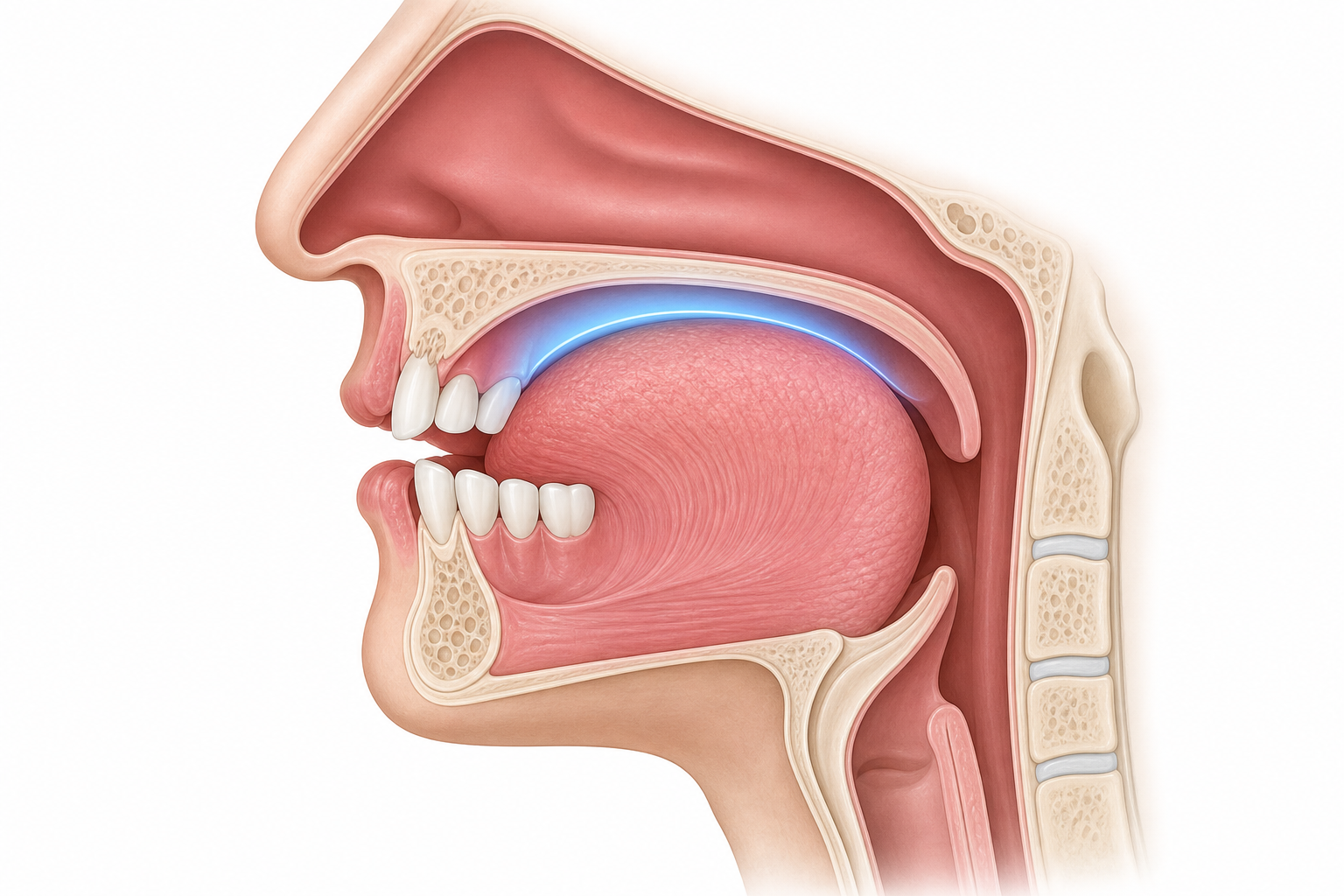
Mewing is a tongue posture technique associated with British orthodontists John Mew and Mike Mew. It is often described as resting the entire tongue against the palate, or roof of the mouth, while keeping the lips closed and teeth lightly together. The method became widely known online after videos and before-and-after posts claimed that consistent practice could change facial structure.
In simple terms, mewing focuses on oral posture. Oral posture refers to how the tongue, lips, jaw, and teeth rest when a person is not speaking, eating, or swallowing. Healthy resting posture usually means lips are closed, nasal breathing is comfortable, and the tongue rests gently against the palate. That concept is not controversial. What is controversial is the claim that this posture can dramatically remodel the face in adults.
Children and teens have developing bones, so breathing patterns, tongue posture, and jaw growth can interact with facial development. Adults, however, have mature facial bones. For that reason, major changes to jaw position or bite alignment usually require orthodontic treatment, oral appliances, or surgery in serious cases. Mewing alone has not been proven to produce those results.
Why Mewing Became Popular
Mewing spread fast because it fits the visual culture of social media. A defined jawline is often associated with attractiveness, confidence, and fitness. Short videos make the technique look easy, free, and low-risk. Some creators also connect mewing to the broader looksmaxxing trend, where people try to improve facial appearance through habits, grooming, exercise, and cosmetic treatments.
The appeal is understandable. Many people want a non-surgical way to improve their profile or reduce the appearance of a soft jawline. Mewing also gives users something active to do, which can feel empowering. But viral popularity is not the same as clinical proof. Online photos may be affected by lighting, camera angle, weight changes, facial hair, makeup, filters, posture, or normal aging. A sharper jawline in a video does not prove bone remodeling.
How People Typically Practice Mewing
People who practice mewing usually follow a few basic steps. These steps are shared for informational purposes, not as medical advice. Anyone with jaw pain, TMJ symptoms, orthodontic appliances, bite problems, or sleep-related breathing issues should talk with a dentist, orthodontist, or physician before trying any forceful oral posture technique.
-
Close the lips gently. The mouth stays closed without straining the facial muscles.
-
Place the tongue on the roof of the mouth. The goal is usually full-tongue contact, not just the tip of the tongue.
-
Keep teeth lightly near each other. Teeth should not be clenched or ground together.
-
Breathe through the nose if comfortable. Nasal breathing should feel natural. If it does not, congestion, allergies, deviated septum, or another issue may need evaluation.
-
Maintain upright head and neck posture. Many people notice their jawline looks better when they stop slouching and keep the neck aligned.
A common mistake is pressing the tongue hard against the palate for long periods. Forceful pressure is not necessary for normal oral posture and may cause discomfort. Another mistake is clenching the teeth. Clenching can strain jaw muscles, irritate the temporomandibular joints, and wear down enamel.
Does Mewing Really Work?
Detailed illustration
Mewing can change appearance in the moment. When someone lifts the tongue, closes the mouth, and improves neck posture, the area under the chin may look tighter. This is similar to posing for a photo. Better posture can make the face look more balanced, and relaxed nasal breathing can support healthier daily habits.
What mewing has not proven is permanent adult jaw reshaping. Current evidence does not show that mewing can reliably move the jaw forward, create cheekbone definition, fix a recessed chin, or correct crooked teeth. These changes involve bone, bite mechanics, soft tissue, and sometimes airway anatomy. They are more complex than tongue placement alone.
Some people report that mewing helped them feel more aware of mouth breathing, posture, or jaw tension. Those benefits may be real for certain individuals. But personal reports do not establish that mewing works as a facial reconstruction method. Claims about curing sleep apnea, fixing malocclusion, or replacing orthodontic treatment should be treated with caution.
Mewing and Jawline Definition
The jawline is influenced by several factors: bone structure, tooth position, body fat, muscle size, skin elasticity, age, genetics, and posture. Mewing addresses only one small part of that picture. If a person has a naturally strong mandible and low facial fat, improved posture may make the jawline more visible. If the jawline appears soft because of genetics, excess fat under the chin, loose skin, or a recessed lower jaw, tongue posture alone is unlikely to create a dramatic change.
Weight changes can also affect facial definition. Losing body fat in a healthy way may make the jawline more visible for some people, though fat distribution varies. Strength training, nutrition, sleep, and hydration can improve overall appearance, but they do not guarantee a sculpted jaw. For persistent concerns, a board-certified dermatologist, orthodontist, oral surgeon, or cosmetic dentist can explain realistic options.
Possible Risks and Side Effects
Mewing is often described as harmless, but poor technique or excessive force can create problems. The biggest risks come from clenching, pushing too hard, or practicing despite existing jaw issues.
-
Jaw pain: Holding the jaw in a tense position may irritate muscles and joints.
-
TMJ flare-ups: People with temporomandibular joint disorders may experience clicking, locking, headaches, or pain.
-
Tooth wear: Keeping teeth pressed together can contribute to enamel wear, cracks, or sensitivity.
-
Neck and facial tension: Over-focusing on posture can make muscles tight rather than relaxed.
-
Delayed medical care: Treating mewing as a cure for bite problems, breathing disorders, or sleep apnea may delay proper diagnosis.
Anyone who develops pain, headaches, tooth sensitivity, bite changes, or jaw clicking should stop and seek professional care. If nasal breathing is difficult, an evaluation by a primary care doctor, dentist, allergist, or ENT specialist may be more useful than trying to force tongue posture.
Safer Ways to Improve Facial Appearance

Related context illustration
Improve Posture and Breathing Habits
Good head and neck posture can make a visible difference. Forward head posture can hide the jawline and make the neck look shorter. Standing taller, aligning the ears over the shoulders, and relaxing the jaw may improve the facial profile immediately. Nasal breathing, when comfortable, can also support better oral moisture and sleep quality. If nasal breathing is blocked, the cause should be addressed medically.
Consider Dental or Orthodontic Evaluation
If the issue is bite alignment, crowded teeth, or a recessed jaw, an orthodontist can assess the structure from the inside out. Braces, clear aligners, retainers, expanders in younger patients, or other dental treatments may improve function and appearance. In severe jaw discrepancies, orthognathic surgery may be discussed, but it is a major decision that requires careful planning.
Use Noninvasive Skin and Facial Treatments Carefully
Some people use facial massage, gua sha, or lymphatic drainage to reduce puffiness. These methods may temporarily make the face look less swollen, especially in the morning. Results are usually subtle and short-lived. They should be done gently to avoid skin irritation.
Dermatology options may include radiofrequency, ultrasound skin tightening, injectables, or other in-office treatments. These can improve certain concerns, such as loose skin, chin fullness, or facial balance, but they require professional consultation. The right treatment depends on anatomy, budget, downtime, and goals.
Be Realistic About Jaw Exercises
Jaw exercise devices and aggressive gum chewing are often marketed for jawline enhancement. These can enlarge the masseter muscles in some people, but that does not always create the desired look. Larger masseter muscles can make the lower face appear wider and may worsen clenching or TMJ symptoms. People with jaw pain should avoid intense chewing exercises unless advised by a clinician.
When to See a Professional
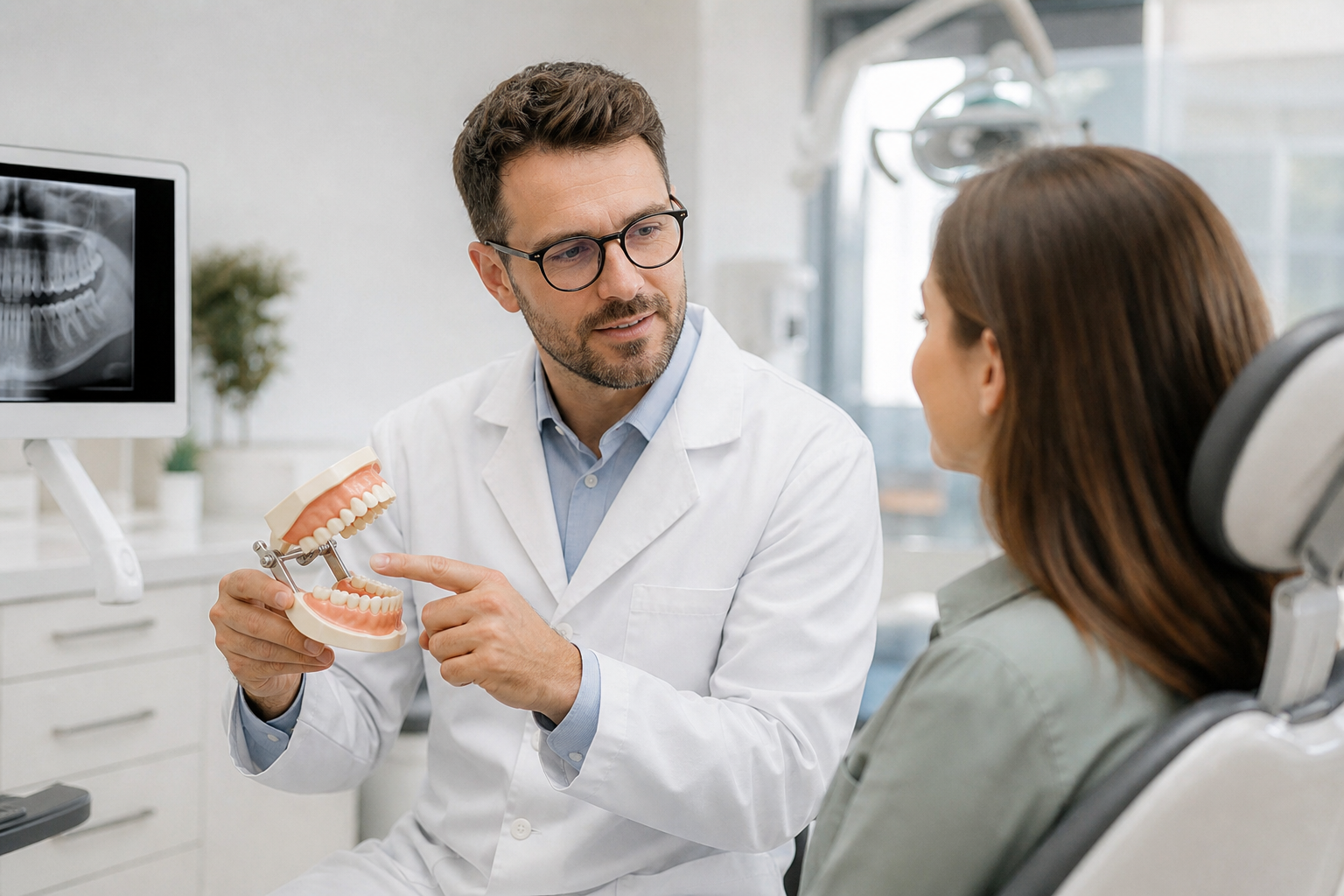
Professional guidance is important when appearance concerns overlap with pain, breathing, or bite problems. A dentist or orthodontist can check tooth wear, jaw alignment, and oral habits. A physician or sleep specialist can evaluate snoring, daytime fatigue, and possible sleep apnea. An ENT can assess chronic nasal obstruction. A dermatologist or facial plastic surgeon can discuss cosmetic options if the main concern is skin, fat, or facial contour.
Seek care sooner if you have jaw locking, persistent facial pain, headaches linked to jaw tension, chipped teeth, new bite changes, loud snoring, choking during sleep, or ongoing mouth breathing. These are not problems to manage through online trends.
Bottom Line
Mewing is best understood as a viral oral posture trend, not a proven method for permanent facial reshaping. It may temporarily sharpen the appearance of the jawline by changing tongue position, mouth closure, and head posture. It may also encourage awareness of nasal breathing and relaxed oral habits. However, there is no strong scientific evidence that mewing can remodel an adult jaw, fix orthodontic problems, or treat sleep apnea.
If you are curious about mewing, avoid force, do not clench, and stop if pain appears. For lasting changes to jawline definition, focus on realistic factors: healthy body composition, posture, dental alignment, skin quality, and professional evaluation when needed. A sharp jawline is not worth damaging teeth, irritating the TMJ, or delaying proper care.