
Green tea has become one of most popular drinks for people in US trying to manage weight with better daily habits. It is low in calories, easy to prepare, and rich in plant compounds that may support metabolism when paired with balanced food, regular movement, and enough sleep. Finding best green tea for weight loss, however, is not same as picking most expensive tin on shelf. Taste, caffeine level, freshness, tea type, and how you drink it all matter.
Introductory illustration
This guide compares practical options, explains what makes green tea useful for weight management, and helps you choose right tea for your routine. It also covers key secondary topics people search for, including matcha for weight loss, green tea metabolism support, organic green tea, and green tea fat burning benefits.
How Green Tea May Support Weight Loss
Green tea does not melt fat by itself. No tea can replace calorie balance, protein intake, strength training, or daily activity. What green tea can do is support healthier routines in several small but useful ways.
Catechins and caffeine work together
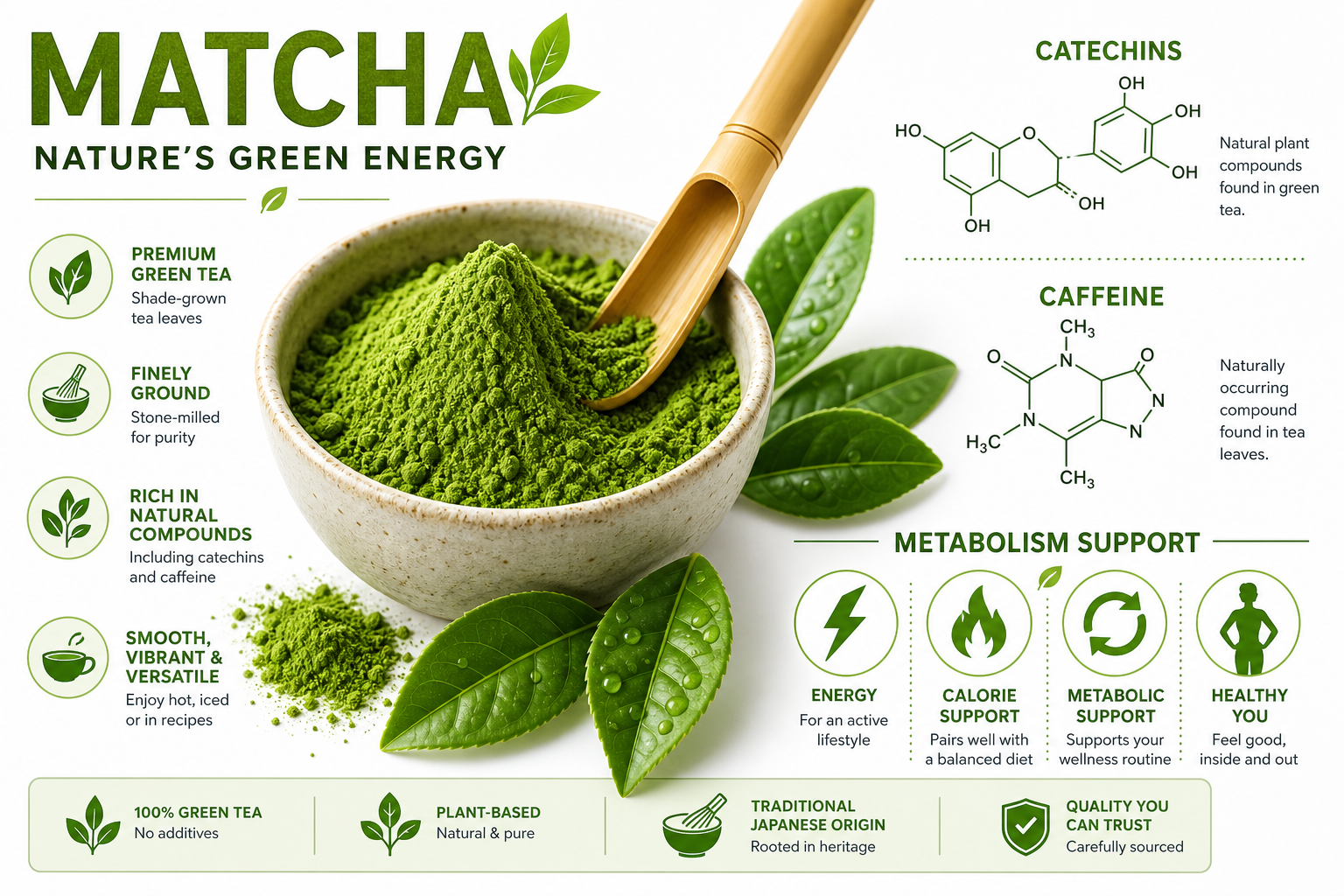
Green tea contains catechins, especially epigallocatechin gallate, often called EGCG. These antioxidants are studied for possible effects on fat oxidation and metabolic activity. Green tea also contains caffeine, which can slightly increase energy expenditure and help some people feel more alert before exercise.
Effect is usually modest. People who see best results often use green tea as replacement for sugary coffee drinks, soda, sweet tea, or afternoon snacks. Swapping one 250-calorie drink for unsweetened green tea can have bigger weight impact than catechins alone.
Unsweetened tea helps reduce liquid calories
Many US diets include hidden calories from drinks. Bottled teas, flavored lattes, energy drinks, juices, and sweetened coffees add up fast. Plain green tea has nearly zero calories when brewed without sugar, honey, cream, or syrup. This makes it useful for people who want warm or cold beverage without breaking calorie goals.
It can support appetite control
Some people find warm green tea helps reduce snack cravings, especially between meals. It gives flavor, hydration, and mild caffeine lift without heavy calories. This is not same as appetite suppressant, but habit can help if it replaces grazing or stress snacking.
Best Types of Green Tea for Weight Loss
Different green teas have different strengths. Best choice depends on taste preference, caffeine tolerance, budget, and whether you want loose leaf, tea bags, powder, or bottled convenience.
Matcha: best for maximum green tea compounds
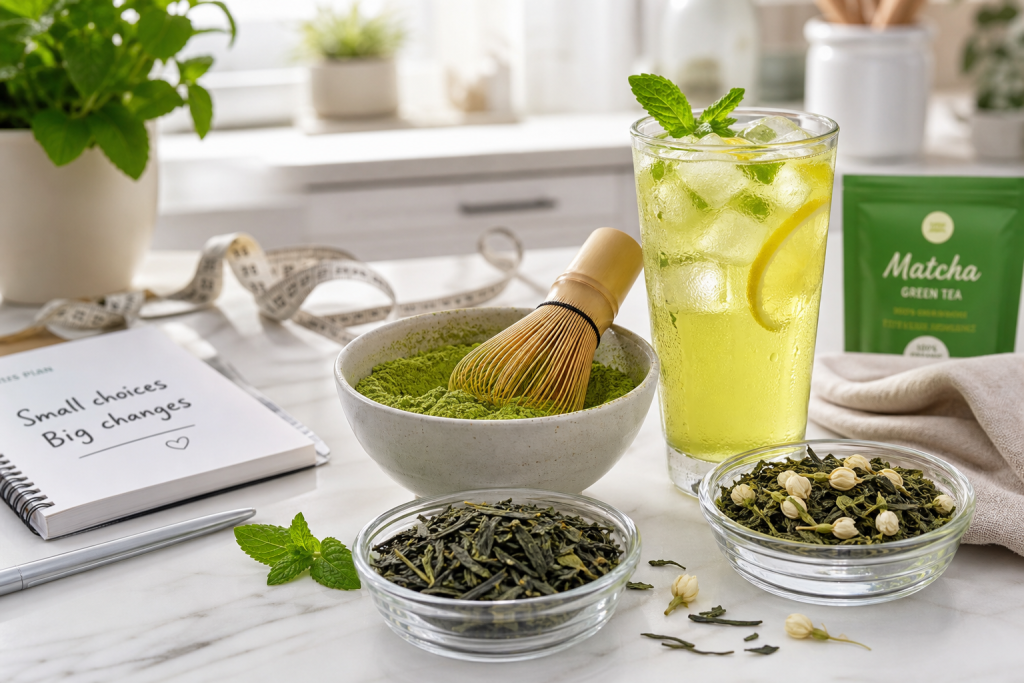
Matcha is powdered shade-grown green tea. Because you consume whole leaf powder rather than steeping leaves and removing them, matcha often provides more catechins and caffeine per serving than regular brewed green tea. For people looking for matcha for weight loss, it can be strong option before morning walk, gym session, or focused work block.
Choose ceremonial or high-quality culinary matcha with bright green color, smooth grassy aroma, and no added sugar. Avoid sweetened matcha latte mixes, which may contain more sugar than tea. Traditional preparation uses water around 175°F, not boiling water, then whisking until smooth.
Sencha: best everyday green tea
Sencha is common Japanese green tea with fresh, grassy flavor and moderate caffeine. It is practical for daily use because it is widely available in US grocery stores, Asian markets, health food stores, and online. Good sencha tastes clean, lightly vegetal, and slightly sweet when brewed correctly.
Sencha is ideal if you want consistent green tea metabolism support without intense matcha flavor. Brew it with water around 160°F to 175°F for one to two minutes. Too-hot water can make it bitter.
Dragon Well: best smooth loose leaf option
Dragon Well, also called Longjing, is famous Chinese green tea with nutty, mellow flavor. It is less grassy than Japanese teas and often easier for new tea drinkers. If bitterness makes you avoid green tea, Dragon Well may help you drink it consistently.
Loose leaf Dragon Well can be pricier than tea bags, but quality is often noticeable. Look for flat, spear-shaped leaves, fresh harvest date, and seller transparency.
Gyokuro: best premium high-caffeine option
Gyokuro is shade-grown Japanese green tea with rich umami flavor and higher caffeine than many standard green teas. It is premium tea, often expensive, and best for people who enjoy slow brewing. Because caffeine can be stronger, it may not suit late afternoon or evening use.
Gyokuro is not necessary for weight loss, but it can be great for serious tea drinkers who want flavor depth and a more satisfying ritual.
Jasmine green tea: best for flavor without sugar
Jasmine green tea blends green tea leaves with jasmine aroma. It is fragrant, smooth, and enjoyable hot or iced. For people transitioning away from sweet drinks, jasmine tea can feel more flavorful without adding calories.
Check ingredient label. Good jasmine green tea should contain green tea and jasmine scent or blossoms. Avoid versions with added sugar or artificial sweeteners if your goal is cleaner daily intake.
Top Green Tea Picks by Lifestyle
Instead of naming one universal winner, best green tea depends on how you drink it. These practical categories make buying easier.
Best overall: unsweetened Japanese sencha
Sencha wins for daily weight-loss routines because it balances taste, price, caffeine, and availability. It works hot in morning and iced in afternoon. It is easy to brew in tea bags or loose leaf form, and many organic green tea brands offer sencha options.
Best for pre-workout: matcha
Matcha gives stronger caffeine and whole-leaf compounds. Drink one serving 30 to 60 minutes before training if your stomach tolerates it. Keep it plain or mix with unsweetened almond milk. Skip sugary café-style matcha drinks if weight management is goal.
Best budget option: plain green tea bags
Basic green tea bags can still help if you drink them instead of high-calorie beverages. Look for boxes with recent freshness dates and individually wrapped bags if you will use them slowly. Budget tea may have less complex flavor, but consistency beats perfection.
Best organic option: USDA organic loose leaf green tea
Organic green tea appeals to people who want fewer synthetic pesticide concerns and cleaner sourcing. USDA Organic seal can help guide shopping, though quality still varies. Loose leaf organic sencha, Dragon Well, or jasmine green tea can be good choices.
Best bottled choice: unsweetened cold green tea
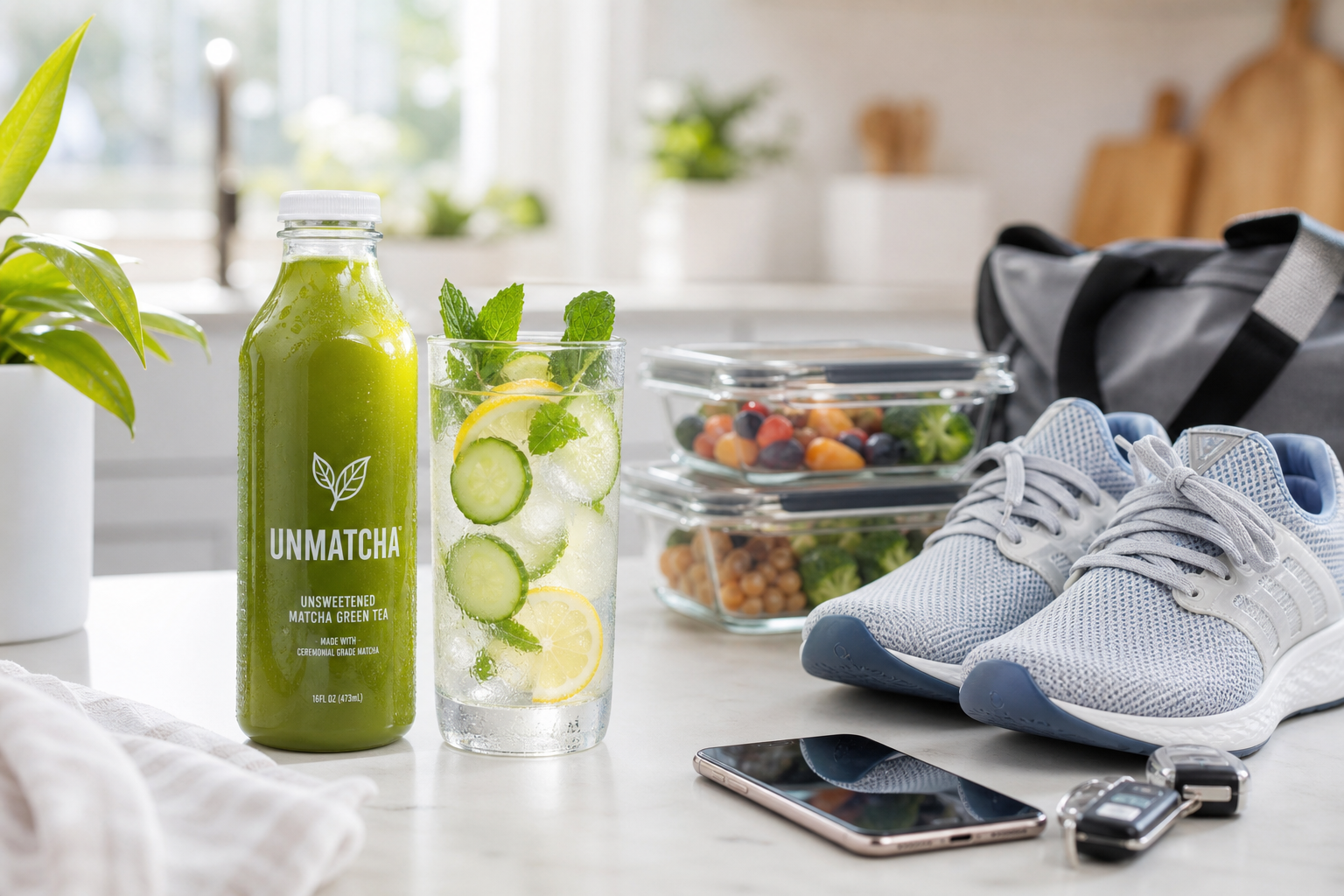
Bottled green tea is convenient, but many bottles in US stores contain sugar. Choose labels that say unsweetened, zero calories, and no added sugar. Bottled tea may have lower catechin levels than freshly brewed tea, but it can still be useful swap for soda or sweet tea.
What to Look For Before Buying
Detailed illustration
No added sugar
Weight-loss-friendly green tea should be unsweetened. Honey, agave, cane sugar, and flavored syrups all add calories. If plain tea tastes too bitter, adjust water temperature, steeping time, or choose jasmine, Dragon Well, or cold brew green tea.
Freshness matters
Green tea loses flavor and aroma with age, heat, light, and air. Buy smaller amounts if you drink tea slowly. Store tea in airtight container away from stove, sunlight, and humidity.
Reasonable caffeine level
Green tea usually has less caffeine than coffee, but amount varies. Matcha and gyokuro can be stronger. If caffeine makes you anxious or affects sleep, drink green tea earlier in day or choose lower-caffeine options.
Third-party testing and clear sourcing
Reputable brands share sourcing details, harvest information, organic certification, or testing standards. This matters more if you drink several cups daily.
How to Drink Green Tea for Better Results
Smart use matters more than extreme use. Drinking large amounts will not speed results and may cause nausea, jitters, reflux, or sleep problems.
-
Drink one to three cups per day, based on caffeine tolerance.
-
Use it to replace sugary drinks, not add extra calories.
-
Brew with water below boiling to reduce bitterness.
-
Pair tea with protein-rich meals and fiber.
-
Avoid drinking strong green tea late in day if sleep suffers.
Sleep loss can increase hunger and cravings, so late caffeine can work against weight goals. If you want evening ritual, choose decaf green tea or herbal tea instead.
Hot vs Iced Green Tea
Both hot and iced green tea can fit weight-loss plan. Hot tea feels calming and may help with cravings during cold months. Iced green tea is refreshing and practical for summer, office lunches, gym bags, and road trips.
Cold brew green tea is often smoother and less bitter. Add tea leaves or bags to cold water, refrigerate for four to eight hours, then remove tea. Add lemon, mint, cucumber, or berries for flavor without much calorie impact.
Common Mistakes to Avoid
Related context illustration
Expecting tea to replace diet basics
Green tea fat burning claims are often exaggerated. Tea may support small metabolic changes, but body composition still depends on total calories, food quality, protein, steps, exercise, stress, and sleep.
Buying sweetened green tea drinks
Many bottled green teas and café matcha drinks contain significant sugar. Some have 100 to 300 calories per serving. Always read label before assuming green tea means healthy.
Oversteeping leaves
Oversteeped green tea tastes harsh. Bitter tea makes people add sugar or stop drinking it. Use cooler water and shorter brewing time. Better taste helps consistency.
Drinking too much caffeine
More is not always better. Excess caffeine can cause headaches, shakiness, digestive upset, fast heartbeat, and poor sleep. People who are pregnant, sensitive to caffeine, or taking medication should ask healthcare professional about safe intake.
Simple Daily Green Tea Plan
-
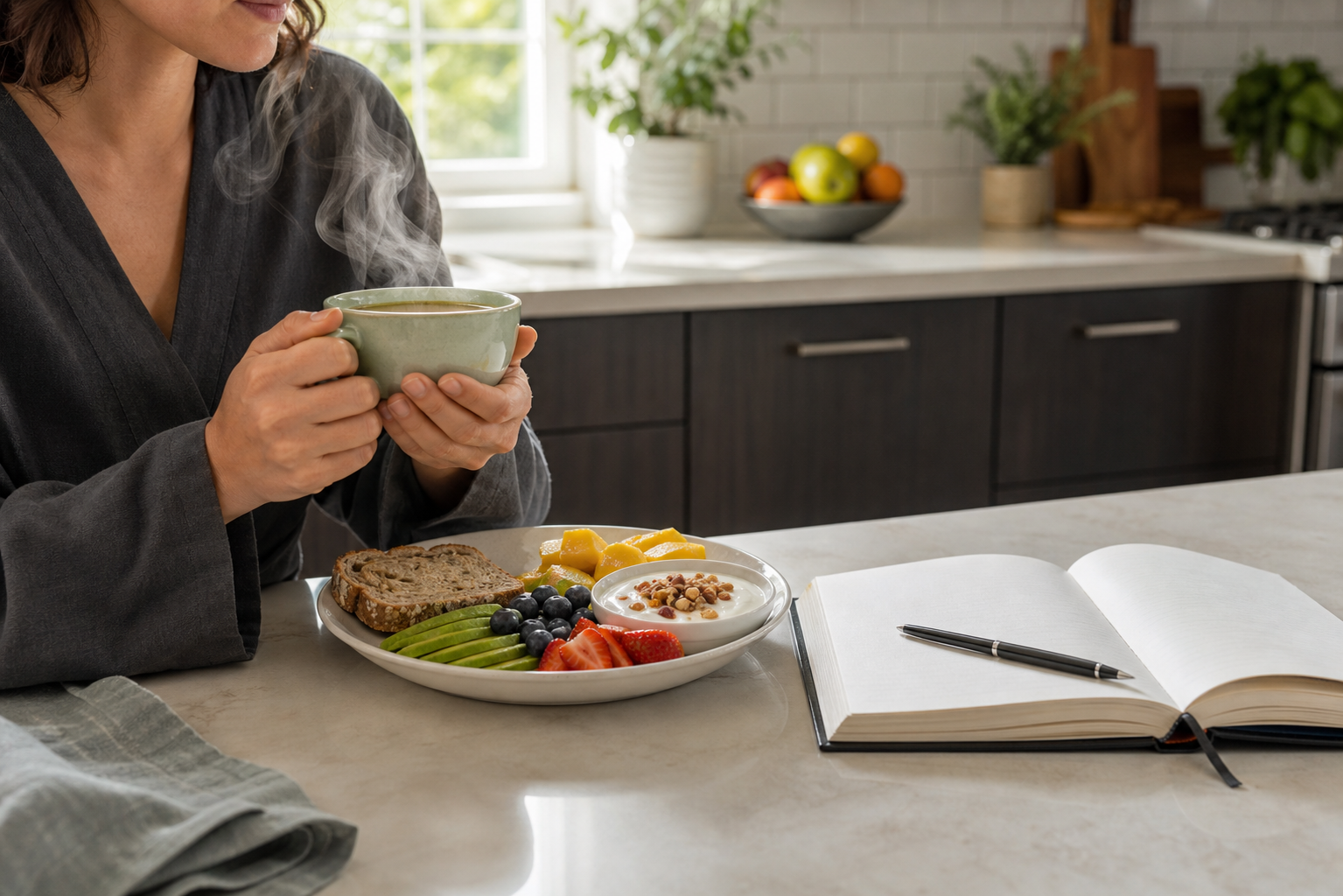
Morning: drink plain sencha or matcha instead of sweet coffee drink.
-
Midday: drink iced jasmine green tea with lunch instead of soda.
-
Afternoon: drink small cup of green tea before walk or workout if caffeine fits your schedule.
-
Evening: switch to caffeine-free herbal tea if you want warm drink.
This kind of routine works because it is realistic. It lowers liquid calories, improves hydration, and creates repeatable habits without relying on extreme dieting.
Final Verdict: Which Green Tea Is Best?
Best overall choice for most people is unsweetened sencha because it is affordable, easy to find, pleasant hot or iced, and practical for daily use. Best stronger option is matcha, especially if you want pre-workout drink and enjoy bold flavor. Best beginner-friendly tea is jasmine green tea or Dragon Well because both taste smoother and less bitter.
Best green tea for weight loss is one you will drink consistently without sugar. Choose fresh tea, brew it correctly, keep caffeine in check, and use it as part of broader routine built around nutritious food, movement, and sleep. Green tea is not magic, but used well, it can be smart, low-calorie tool for better weight management.