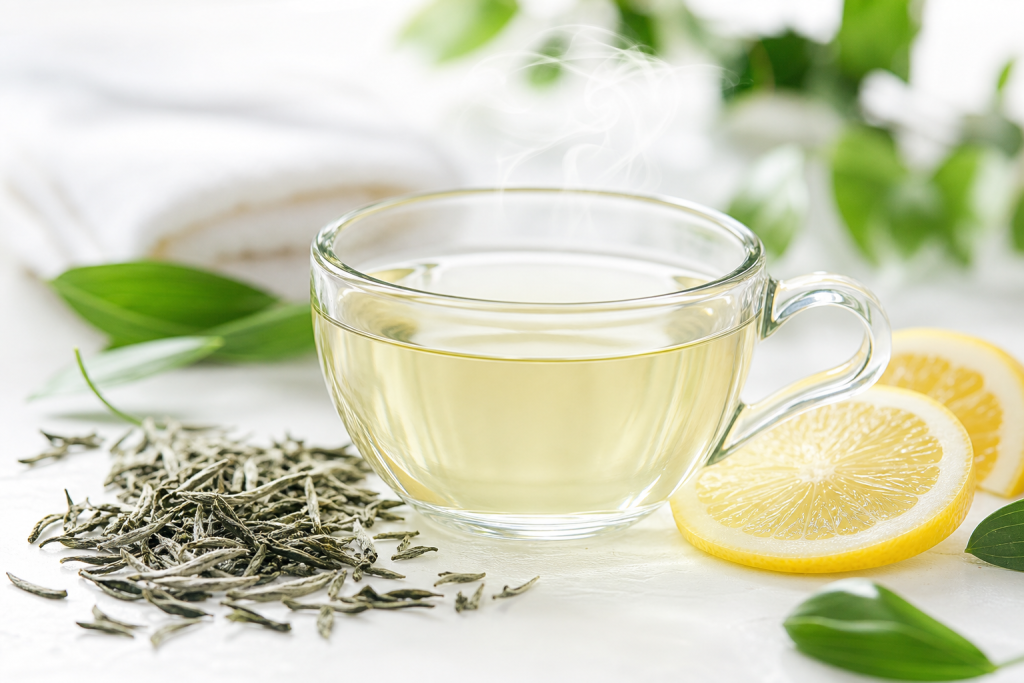

White tea has become a quiet favorite among wellness-minded Americans looking for a gentler, low-calorie drink to support healthier habits. Unlike bold black tea or grassy green tea, white tea has a delicate flavor, light body, and naturally mild caffeine level. That makes it easy to sip in the morning, between meals, or as a replacement for sugary bottled drinks and high-calorie coffee orders.
Introductory illustration
Using white tea for weight loss is not about expecting one beverage to melt fat overnight. No tea can replace a balanced diet, regular movement, sleep, and consistent calorie control. However, white tea may support weight management in practical ways: it is nearly calorie-free when served plain, contains antioxidant compounds linked to metabolism, and can help reduce intake of sweetened beverages. For many people, that combination makes it a useful daily habit.
What Is White Tea?
White tea comes from the same plant as green tea, oolong tea, and black tea: Camellia sinensis. What makes it different is how lightly it is processed. Young tea buds and leaves are typically harvested, gently withered, and dried with minimal oxidation. This simple handling helps preserve a subtle flavor and a high concentration of natural plant compounds.
Common varieties include Silver Needle, White Peony, Tribute Eyebrow, and Shou Mei. Silver Needle is made mostly from unopened buds and tends to taste soft, sweet, and smooth. White Peony includes buds and young leaves, giving it a slightly fuller flavor. Many grocery stores in the United States carry white tea bags, while specialty tea shops and online retailers offer higher-quality loose-leaf options.
Can White Tea Help With Weight Loss?
White tea may help with weight loss indirectly, but it should be viewed as a support tool rather than a magic fix. Its biggest everyday advantage is simple: plain white tea has almost no calories. If it replaces soda, sweet tea, energy drinks, juice, or sugar-heavy coffee drinks, it can reduce daily calorie intake without requiring a complicated diet change.
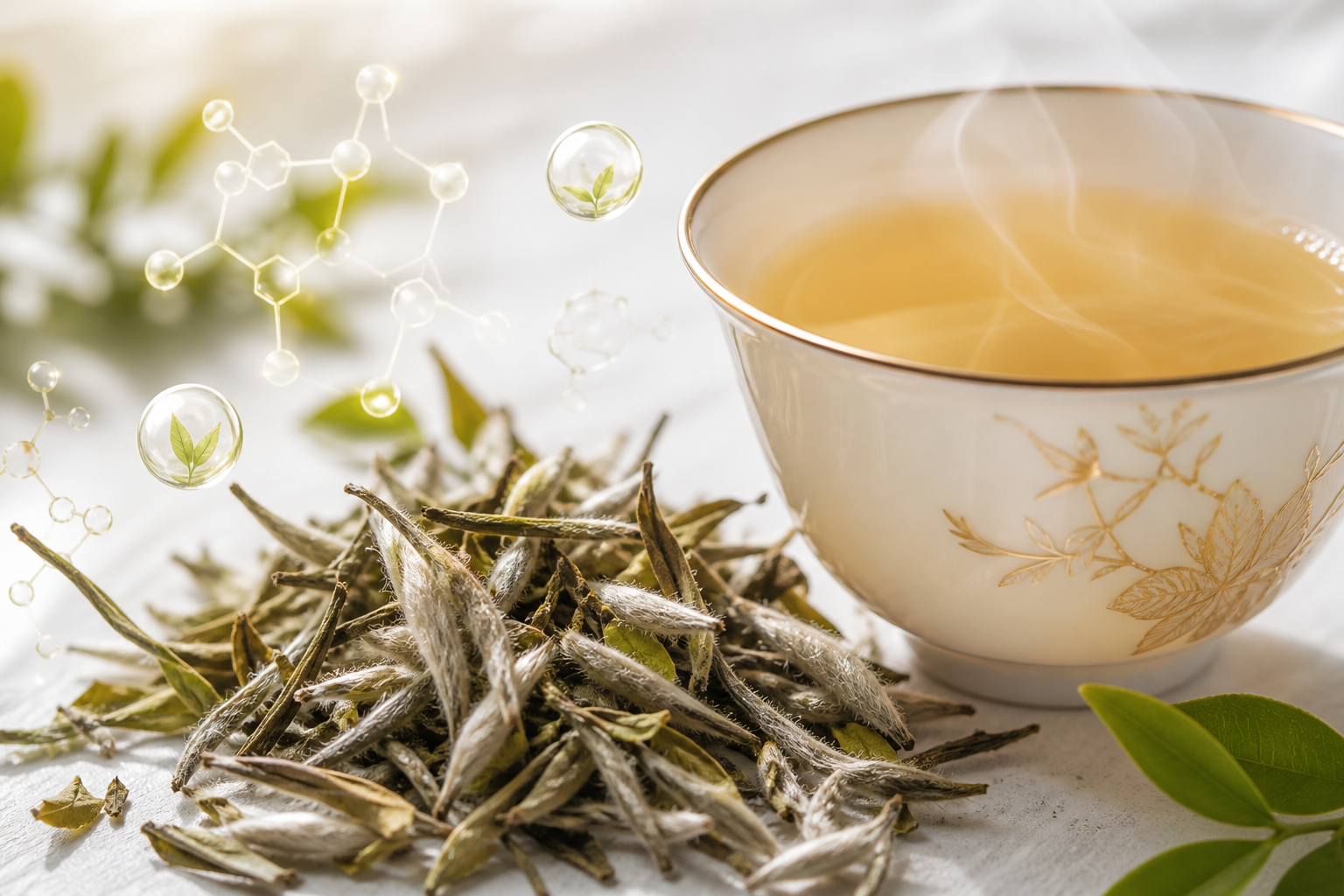
White tea also contains catechins, polyphenols, and a modest amount of caffeine. These compounds are often discussed in relation to fat metabolism and energy expenditure. Green tea has been studied more often, but white tea contains many similar compounds because both are minimally processed. Early lab research suggests white tea extract may influence fat cell development and fat breakdown, though human results depend heavily on overall lifestyle.
Best takeaway: white tea can support a calorie-conscious routine, but results come from consistent habits over weeks and months, not from drinking tea alone.
Key Benefits of White Tea for Weight Management
It Replaces High-Calorie Drinks
One 16-ounce sweetened iced tea, soda, or flavored latte can easily add 150 to 400 calories. Swapping even one of those drinks for unsweetened white tea can create a meaningful calorie difference over time. This is one of the most realistic ways white tea supports weight loss for busy adults in the US.
For example, replacing a 250-calorie afternoon coffee drink five days per week removes about 1,250 calories weekly. That does not guarantee fat loss by itself, but it can make weight management easier when paired with balanced meals and activity.
It Provides Gentle Caffeine
White tea usually contains less caffeine than black tea and coffee, though exact levels vary by type, brewing time, and serving size. A typical cup may contain roughly 15 to 30 milligrams of caffeine, compared with about 95 milligrams in an average cup of coffee. This mild lift can help improve alertness without feeling too intense for caffeine-sensitive people.
Caffeine can slightly increase energy expenditure and may make workouts feel easier for some people. If you exercise in the morning or early afternoon, a cup of white tea before movement may be a pleasant, low-calorie pre-workout option.
It Contains Antioxidants
White tea antioxidants, especially catechins and polyphenols, help fight oxidative stress in the body. While antioxidants are not weight loss agents by themselves, they support general wellness. A healthier overall routine often makes it easier to stay consistent with food choices, exercise, hydration, and sleep.
Because white tea is lightly processed, many of its delicate plant compounds remain intact. This is one reason it is often compared with green tea for metabolism support.
It May Help With Cravings and Snacking
Many people snack not because of true hunger, but because they want a flavor break, stress relief, or something warm to hold. White tea can fill that gap without adding sugar or fat. Its soft floral taste works especially well as an afternoon ritual when energy drops and cravings hit.
If late-night snacking is a problem, a small cup of low-caffeine white tea or a caffeine-free herbal tea may help create a calming routine. Avoid stronger brews close to bedtime if caffeine affects your sleep.
White Tea vs Green Tea for Weight Loss
Detailed illustration
Green tea gets more attention for weight loss because it has been studied more widely. It often contains more catechins and caffeine than white tea, depending on brewing method. That said, white tea remains a strong choice for people who dislike green tea’s grassy or bitter taste.
The best tea for weight loss is usually the one you can drink consistently without sugar. If green tea makes you add honey, syrup, or creamer, but white tea tastes good plain, white tea may be the better real-world choice. Sustainability matters more than chasing the strongest possible tea.
-
Choose white tea if you want mild flavor, lower caffeine, and a smooth daily drink.
-
Choose green tea if you prefer stronger taste and want a more researched metabolism-support option.
-
Choose either unsweetened if your main goal is cutting liquid calories.
Best Time to Drink White Tea for Weight Loss
Timing can make white tea easier to use as part of a weight management routine. Most people do well with one to three cups per day, depending on caffeine tolerance and total fluid intake.
Morning
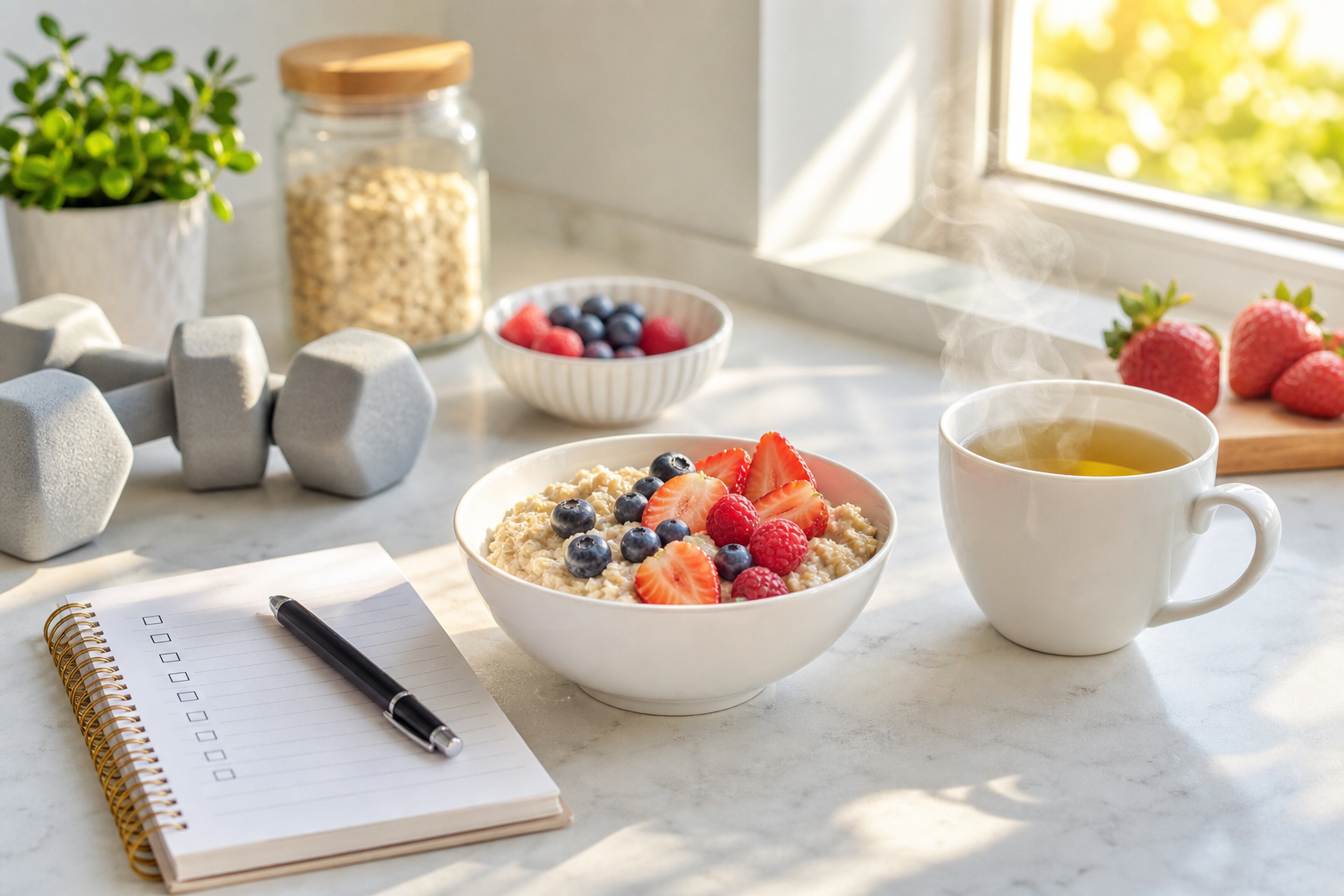
A cup of white tea in the morning can replace sweetened coffee or bottled drinks. It gives light caffeine without the heaviness of cream, flavored syrup, or sugar. If you prefer breakfast, pair it with protein and fiber such as Greek yogurt with berries, eggs with whole-grain toast, or oatmeal with nuts.
Before a Workout
Drinking white tea 30 to 60 minutes before exercise may provide a gentle energy boost. It works well before walking, cycling, strength training, yoga, or a home workout. Keep expectations realistic: it may help you feel more alert, but workout consistency and intensity still drive results.
Afternoon Craving Window
For many Americans, the toughest time is between lunch and dinner. White tea can be useful around 2 p.m. or 3 p.m. when cravings for sweets or vending machine snacks appear. Try it hot for comfort or iced with lemon for a crisp, refreshing option.
How to Brew White Tea Without Bitterness
White tea is delicate, so boiling water can make it taste flat or bitter. Better brewing helps you enjoy it plain, which matters if weight loss is the goal.
-
Heat water to about 170°F to 185°F instead of a full boil.
-
Use 1 to 2 teaspoons of loose-leaf white tea per 8 ounces of water, or one tea bag per cup.
-
Steep for 3 to 5 minutes, depending on desired strength.
-
Drink it plain, or add lemon, mint, cucumber, or a small piece of fresh ginger.
-
Avoid sugar, flavored syrups, heavy cream, and sweetened creamers.
For iced white tea, brew it slightly stronger, then chill it in the refrigerator. Serve over ice with citrus slices or berries for flavor without many calories.
What to Avoid When Drinking White Tea for Weight Loss

Related context illustration
The most common mistake is turning tea into dessert. Bottled white tea drinks often contain added sugar, fruit juice concentrate, or artificial flavor blends. Always check the nutrition label. If the bottle has 20 to 40 grams of sugar, it is closer to a soft drink than a weight-friendly tea.
Another mistake is drinking tea instead of eating enough. Skipping meals may lead to stronger cravings, lower energy, and overeating later. White tea works best alongside balanced meals built around lean protein, vegetables, fruits, whole grains, and healthy fats.
Also avoid drinking excessive amounts. Too much caffeine, even from mild tea, may cause restlessness, stomach discomfort, headaches, or sleep problems. People who are pregnant, breastfeeding, highly caffeine-sensitive, or taking certain medications should ask a healthcare professional about safe intake.
Simple White Tea Weight Loss Routine
A realistic routine is better than an extreme one. Here is a simple daily structure that fits many lifestyles:
-
Morning: Drink one cup of unsweetened white tea instead of a sugary coffee drink.
-
Lunch: Pair water or iced white tea with a protein-rich meal.
-
Afternoon: Drink white tea when cravings hit, then choose a planned snack if still hungry.
-
Evening: Switch to caffeine-free herbal tea if caffeine affects sleep.
This approach supports hydration, lowers liquid calories, and creates structure without requiring a strict detox plan.
Who Should Be Careful With White Tea?
White tea is safe for most healthy adults when consumed in moderate amounts. Still, caffeine and tannins may not work well for everyone. People with acid reflux, anxiety, insomnia, iron deficiency, heart rhythm concerns, or caffeine sensitivity may need to limit intake. White tea can also reduce non-heme iron absorption when consumed with meals, so people with low iron may prefer drinking it between meals.
If you take prescription medication or have a medical condition, ask your clinician before using large amounts of tea or concentrated white tea extract. Supplements are more potent than brewed tea and may carry higher risk of side effects.
Bottom Line
White tea for weight loss works best as a smart beverage swap and supportive daily ritual. It is low in calories, gentle in caffeine, rich in antioxidants, and easy to enjoy hot or iced without sugar. It may support metabolism modestly, but its biggest value comes from helping reduce high-calorie drinks and manage cravings.
For best results, drink unsweetened white tea consistently, pair it with nutritious meals, stay active, and protect sleep. Weight loss rarely comes from one single food or drink, but small habits repeated daily can create meaningful change. White tea is one of those simple habits worth keeping.