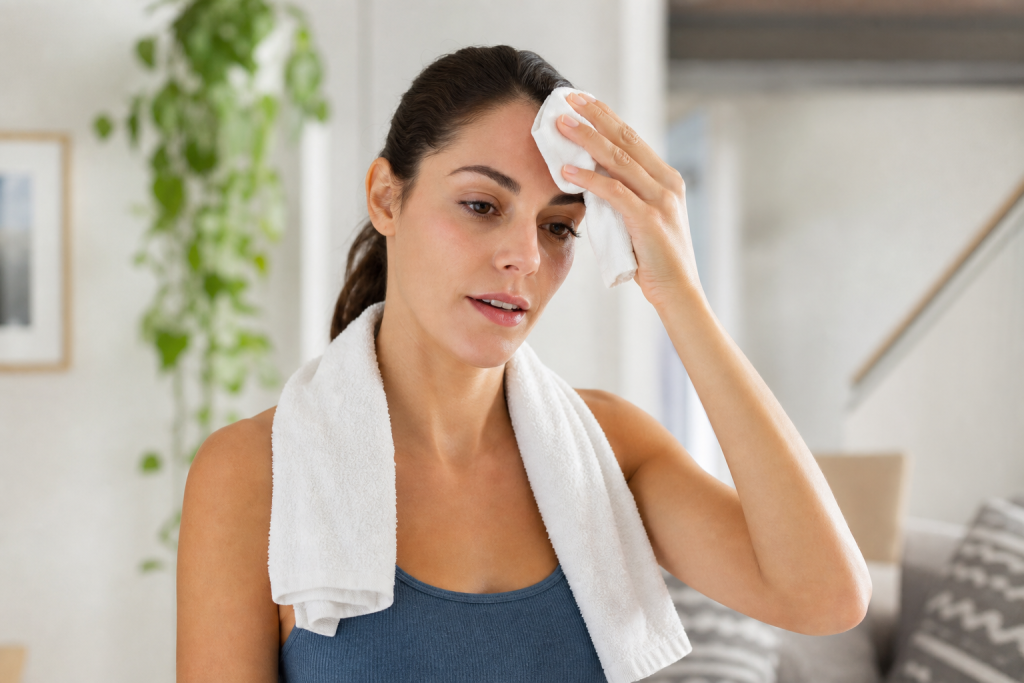

Head sweating can feel frustrating, especially when it happens during work, social events, exercise, or even when the room does not feel hot. Sweating is a normal cooling process, but excessive perspiration from the scalp, forehead, face, or neck may point to triggers you can manage or to a condition called craniofacial hyperhidrosis. Knowing how to stop head sweating starts with identifying what makes it worse, changing daily habits, and understanding when medical treatment may help.
Introductory illustration
For many people, head sweating improves with practical changes such as cooling the body, avoiding common food and drink triggers, choosing breathable clothing, and managing stress. Others may need prescription antiperspirants, topical creams, oral medication, or Botox injections. The best approach depends on whether sweating is occasional, stress-related, heat-related, or persistent without an obvious reason.
What Causes Excessive Head Sweating?
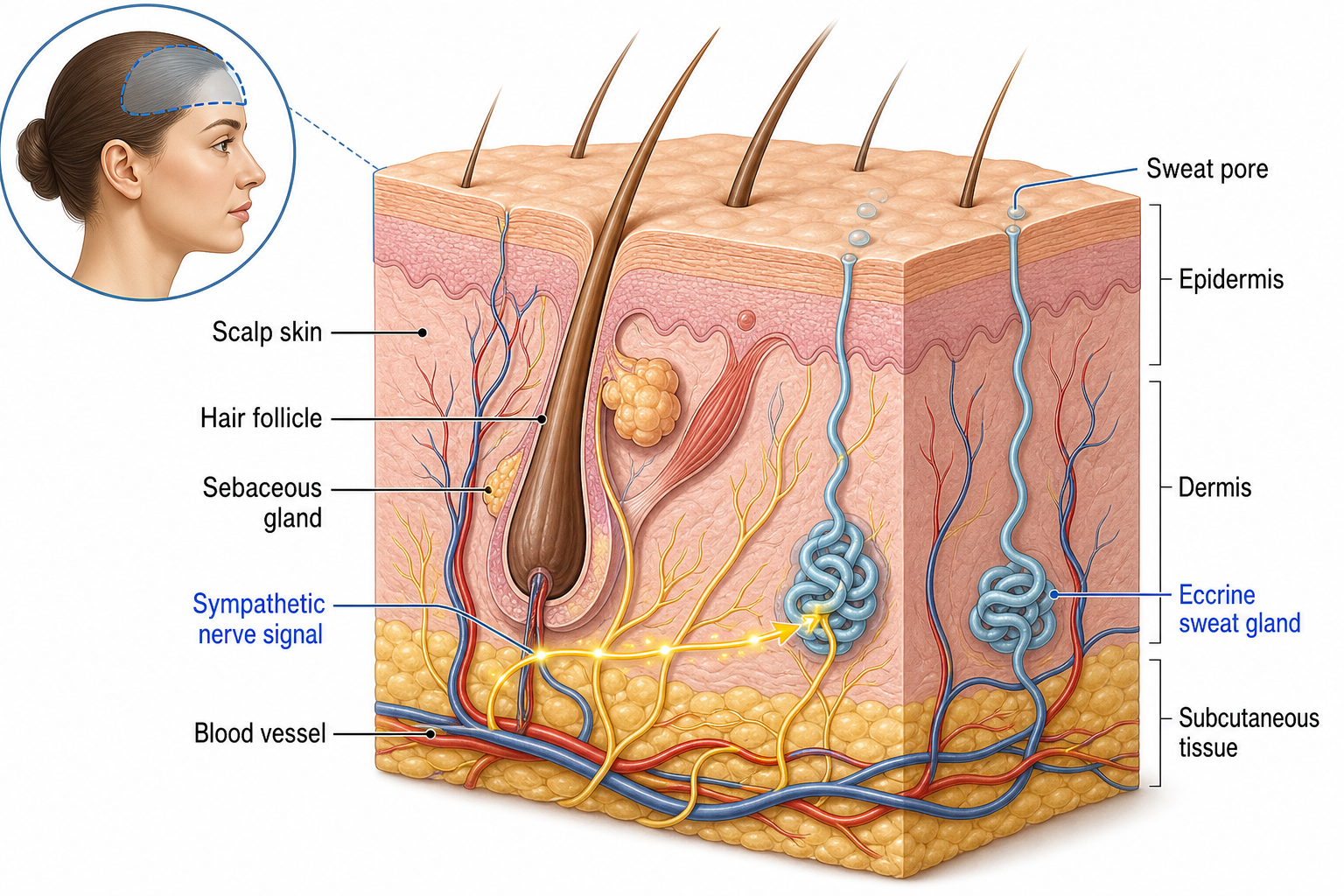
Excessive sweating from the head and face can happen for several reasons. Sometimes it is primary hyperhidrosis, meaning sweat glands are overactive without another medical condition causing it. This type may run in families and often starts earlier in life. When sweating comes from another health issue, medication, hormone change, or infection, it is called secondary hyperhidrosis.
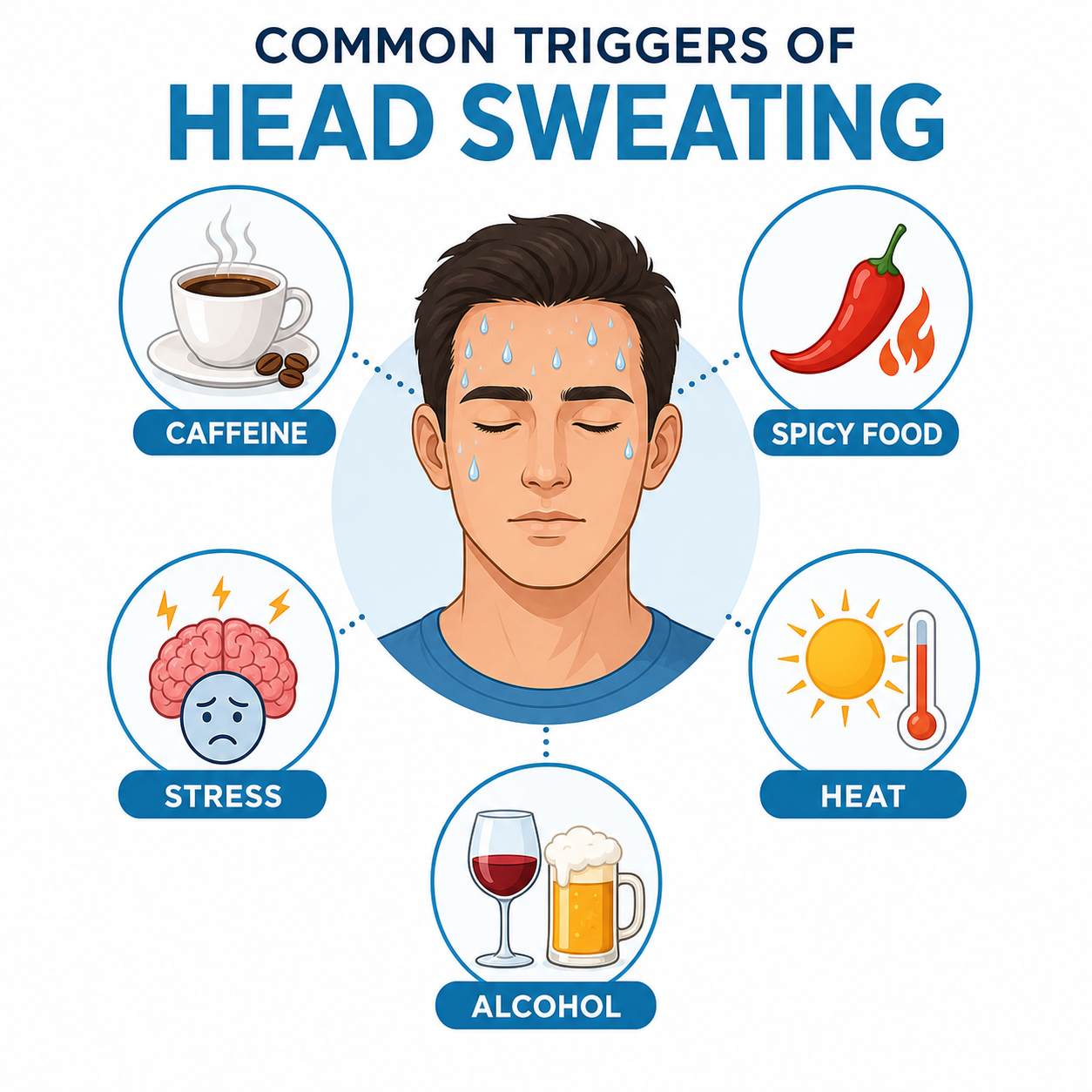
Common triggers include heat, humidity, anxiety, spicy foods, alcohol, caffeine, nicotine, intense exercise, and tight clothing that traps body heat. Some people also notice sweating during hot flashes, after certain medications, or during periods of low blood sugar. Because head sweating can have different causes, tracking patterns is one of the most useful first steps.
How to Stop Head Sweating with Lifestyle Changes
Limit caffeine and alcohol
Coffee, energy drinks, beer, wine, and liquor can make sweating worse because they may increase heart rate, widen blood vessels, and trigger warmth or flushing. If you sweat heavily from your scalp or face, try reducing caffeine and alcohol for two to three weeks and compare symptoms. Some people notice improvement after switching from regular coffee to half-caf, herbal tea, or cold water during the day.
Avoid spicy foods when symptoms flare
Spicy meals can activate heat-sensitive nerves and make the body feel warmer. Hot peppers contain capsaicin, which can trigger sweating even when your actual body temperature has not risen much. If facial sweating or scalp sweating happens after tacos, hot wings, curry, chili, or spicy sauces, reduce spice levels and watch for changes.
Quit smoking and avoid nicotine
Nicotine can stimulate the nervous system and trigger sweating episodes. Smoking may also contribute to hot flashes and higher body temperature. If head sweating is frequent, quitting cigarettes, vaping, or other nicotine products may reduce episodes while also improving heart, lung, and skin health.
Keep your body and indoor spaces cool
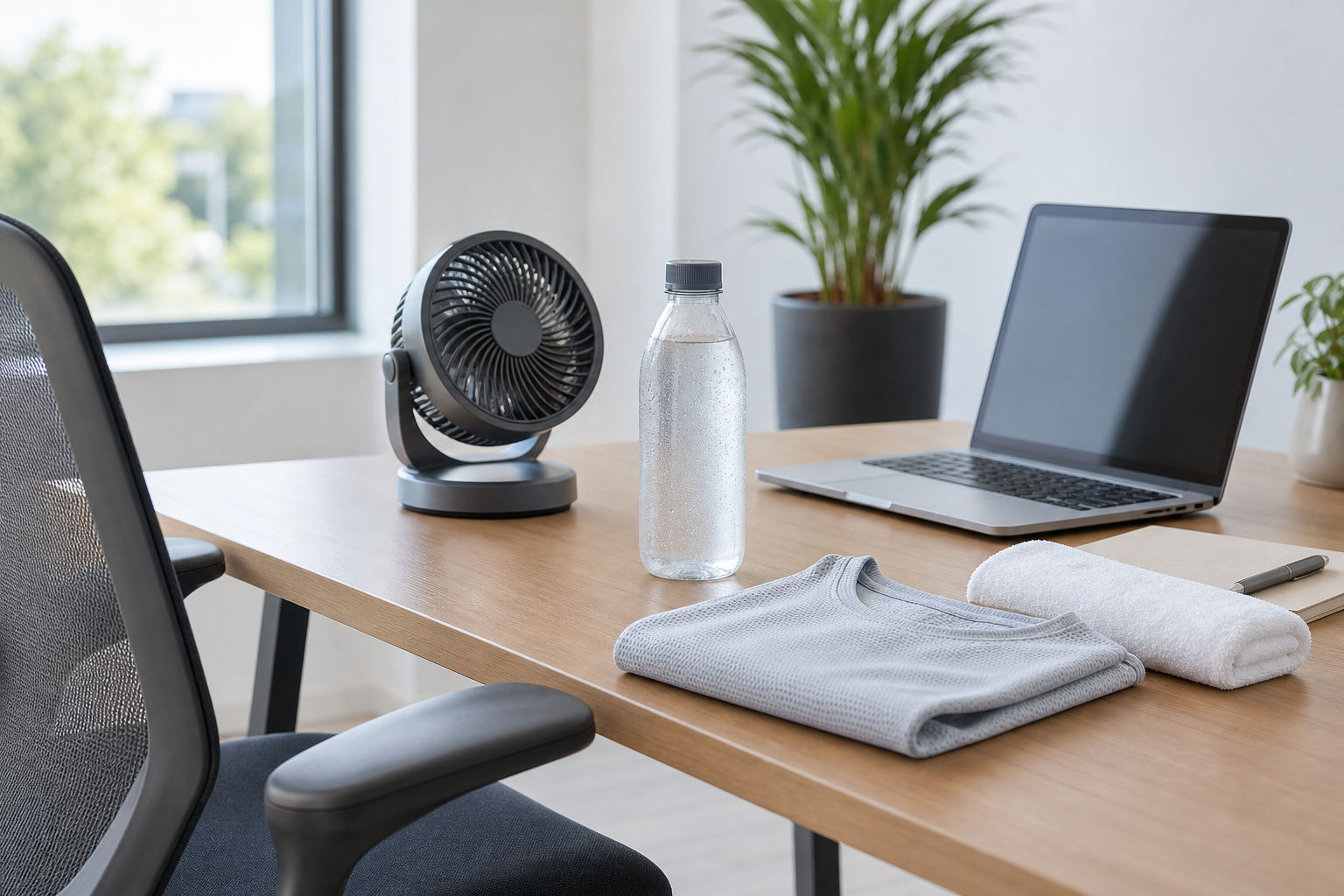
Cooling your environment can reduce the need for your sweat glands to work harder. At home, use air conditioning, fans, light bedding, and breathable pillowcases. At work, a small desk fan, cold water bottle, or cooling towel can help. If you feel a sweating episode starting, sip cold water and move to shade or a cooler room when possible.
Wear breathable, loose-fitting clothing
Even though sweating appears on the head, heat trapped around the chest, back, and underarms can raise overall body temperature. Tight synthetic fabrics such as nylon may limit airflow and make head sweating worse. Choose lightweight cotton, linen, moisture-wicking athletic fabrics, and loose cuts, especially in warm weather.
Manage stress and anxiety triggers
Stress sweating can happen quickly and may affect the forehead, scalp, face, hands, or underarms. If anxiety makes symptoms worse, practice slow breathing, short walks, stretching, yoga, or mindfulness exercises. Regular sleep and exercise also help regulate the nervous system. If sweating causes social anxiety, the cycle can become self-reinforcing, so stress management matters as much as skin-level treatment.
Maintain a healthy weight
Excess body weight can increase heat retention and make sweating more likely during everyday activities. Weight loss is not an instant fix, but a balanced diet and consistent movement may reduce sweating intensity over time. Even modest improvements in fitness can help your body handle heat more efficiently.
Can You Use Antiperspirant on Your Head?
Detailed illustration
Some people use antiperspirant on the scalp or hairline to control excessive sweating. Spray formulas may be easier for people with hair, while roll-on products may work better for bald or closely shaved scalps. Apply only a small amount at night, keep it away from the eyes, and wash it off in the morning. Night application gives active ingredients more time to work while sweat production is lower.
Skin irritation can happen, especially with stronger products. If redness, burning, itching, or flaking develops, stop using the product and talk with a healthcare professional. Do not apply antiperspirant to broken skin, irritated skin, or near the eyelids.
When Head Sweating May Need Medical Care
Occasional sweating during heat, stress, or exercise is normal. Medical evaluation becomes important when sweating is heavy, frequent, unexplained, one-sided, new, or disruptive to daily life. A clinician can review symptoms, medications, family history, and possible underlying causes.
Seek urgent medical care if heavy sweating occurs with chest pain, shortness of breath, fainting, severe dizziness, high fever, confusion, or nausea. Also contact a doctor promptly if you suddenly sweat much more than usual or have unexplained night sweats.
Your doctor may ask when sweating started, whether it stops during sleep, what triggers it, and whether other body areas are affected. Blood or urine tests may be used to check for conditions such as thyroid disease, low blood sugar, infection, or hormone-related issues. If another condition is causing symptoms, treating that condition is usually the priority.
Medical Treatments for Craniofacial Hyperhidrosis
Related context illustration
Prescription antiperspirants
Prescription antiperspirants often contain aluminum chloride and may be recommended when regular products do not work. These treatments block sweat ducts temporarily and are usually applied at night. They can be effective, but irritation is common on sensitive scalp or facial skin, so medical guidance is important.
Topical glycopyrrolate creams or wipes
For primary craniofacial hyperhidrosis, some clinicians prescribe topical medications containing glycopyrrolate. These products reduce sweat signaling in the treated area. They may be used on the forehead, scalp line, or face depending on medical instructions. Avoid contact with eyes, mouth, and mucous membranes.
Oral anticholinergic medication
Oral anticholinergic medicines can reduce sweating across the body by blocking acetylcholine, a chemical involved in sweat gland activation. They may help when sweating affects the head, face, underarms, hands, or other areas. However, side effects can include dry mouth, blurred vision, constipation, urinary problems, and cognitive concerns in older adults. These medicines should be discussed carefully with a healthcare provider.
Botox injections
Botox injections can temporarily block nerve signals that activate sweat glands. For some people with severe head or facial sweating, results may last several months. Treatment can be uncomfortable, and temporary muscle weakness may occur depending on injection sites. Botox should be performed by a qualified medical professional familiar with craniofacial sweating treatment.
Treatment for anxiety-related sweating
If sweating is strongly connected to anxiety, panic symptoms, or chronic stress, treatment may include therapy, stress-reduction techniques, or medication. Antidepressants or anti-anxiety medicines can help some people, but they can also affect sweating differently from person to person. A clinician can help weigh benefits, risks, and alternatives.
Practical Daily Routine to Reduce Head Sweating
A simple routine can make symptoms easier to manage. Start the day with breathable clothing, cool water, and a plan to avoid known triggers. Keep blotting cloths, a small towel, or oil-free facial wipes nearby. Use a fan or cooling device during desk work, commuting, or outdoor activity. At night, keep the bedroom cool and use breathable bedding.
-
Track sweating episodes, foods, drinks, stress, temperature, and sleep quality.
-
Reduce caffeine, alcohol, spicy foods, and nicotine if they trigger symptoms.
-
Use breathable clothing and keep indoor spaces cool.
-
Try scalp-safe antiperspirant carefully, away from the eyes.
-
See a doctor if sweating is severe, sudden, unexplained, or paired with other symptoms.
Conclusion
Learning how to stop head sweating means combining trigger control, cooling strategies, stress management, and the right medical support when needed. Many people improve by reducing caffeine, alcohol, spicy foods, nicotine, heat exposure, and tight clothing. If excessive head sweating continues or affects confidence and daily life, medical treatments for craniofacial hyperhidrosis can offer stronger relief. Persistent or sudden sweating should always be checked by a healthcare professional to rule out underlying causes.