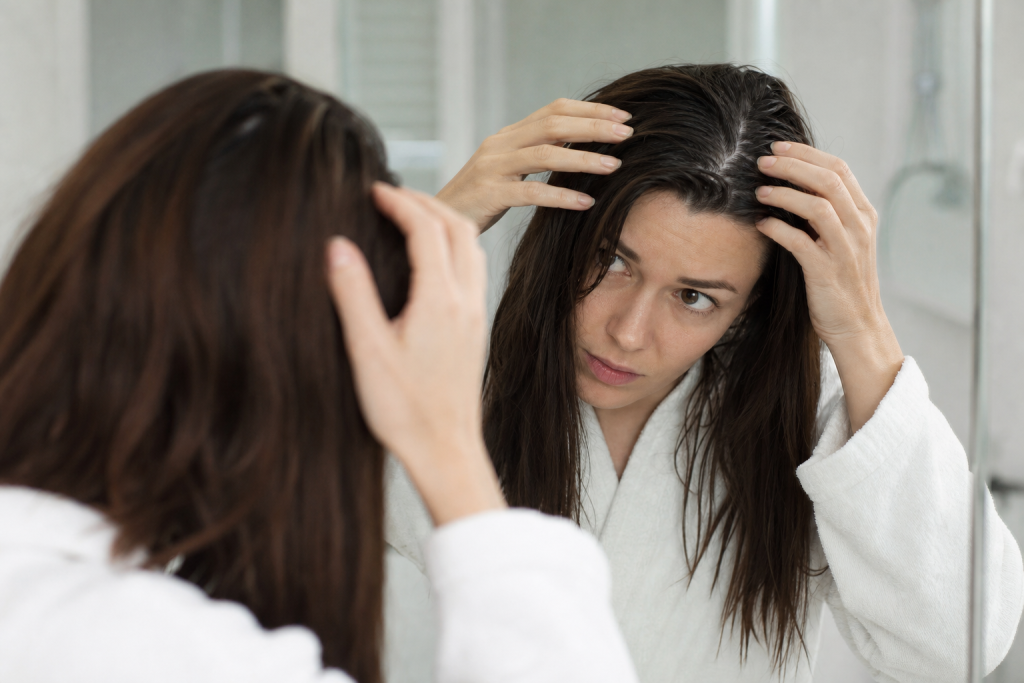

If you keep asking, why does my hair get greasy so fast, you are not alone. Many people wash their hair in the morning and see oily roots again by evening. Greasy hair can feel frustrating, especially when it makes clean hair look flat, stringy, or unwashed. The good news: oily hair is usually manageable once you understand what is happening on your scalp and how your routine affects it.
Introductory illustration
Fast-greasing hair usually comes from excess sebum, product buildup, hair type, hormones, stress, or washing habits that do not match your scalp. Some people naturally make more oil than others, while others notice sudden changes because of lifestyle, weather, medication, or hair products. This guide explains real causes of greasy hair and practical ways to keep hair fresh longer without damaging your scalp.
Why Does My Hair Get Greasy So Fast?
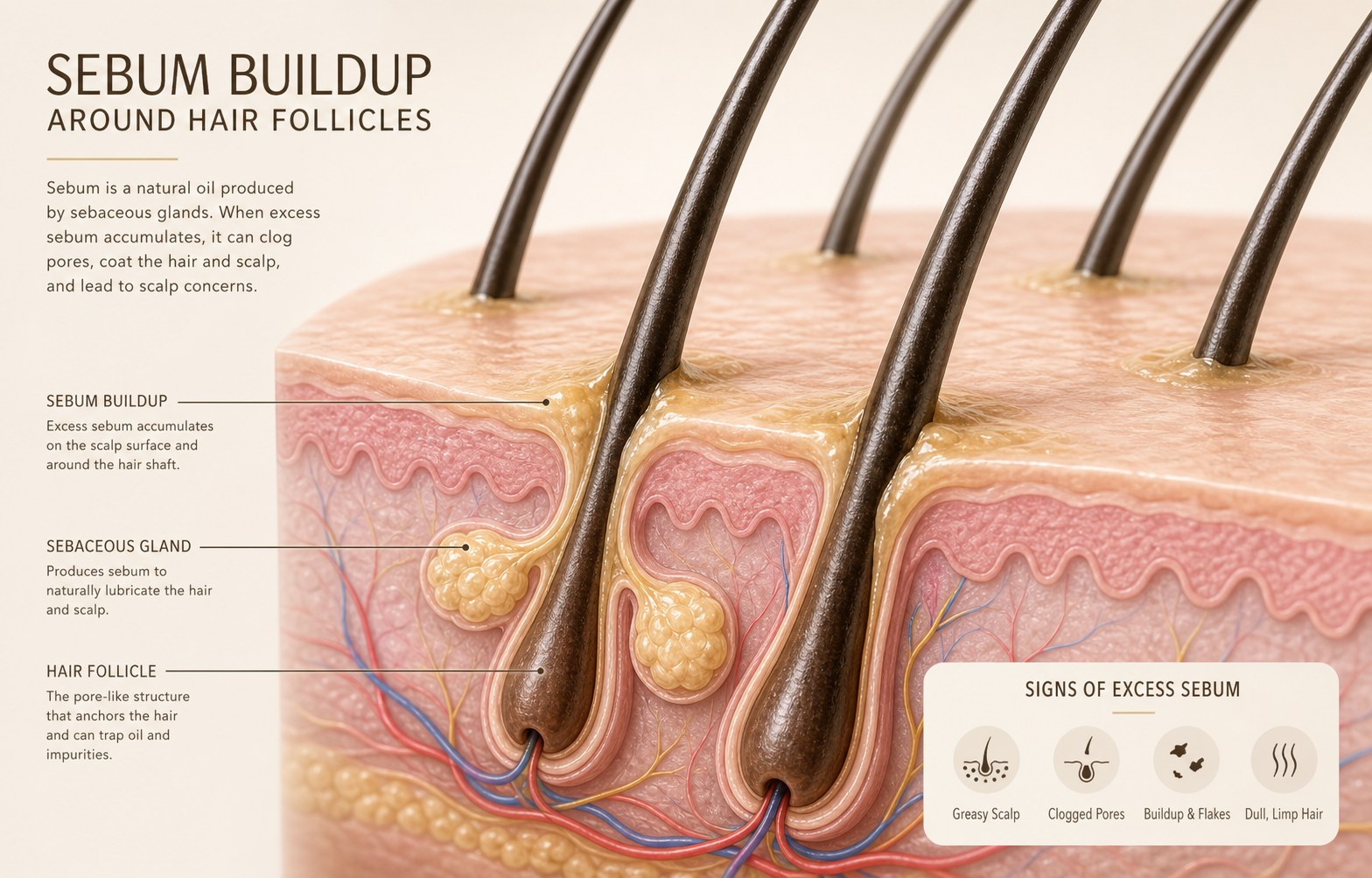
Hair gets greasy fast when sebum builds up on the scalp and moves down the hair shaft. Sebum is an oily substance made by sebaceous glands. Your body produces it to protect the scalp, keep skin comfortable, and help hair stay flexible. Sebum is not bad. Problems start when oil production is high, oil spreads easily, or buildup sits on the scalp too long.
Some people can go several days between washes. Others may need to shampoo daily. Both can be normal. The best routine depends on scalp oil levels, hair texture, activity level, product use, and personal comfort.
Fine or Straight Hair Shows Oil Faster
Fine hair has less volume and less surface area to absorb oil, so even a small amount of sebum can make roots look greasy. Straight hair also allows oil to travel from scalp to ends more easily. Curly and coily hair often looks less oily because bends in the strand slow oil movement. This does not mean curly hair produces less oil; it often means oil spreads differently.
Your Scalp May Naturally Produce More Sebum
Genetics play a major role in oily hair. If your scalp has active sebaceous glands, your roots may become oily quickly even with good hygiene. Hormones also affect oil production, which is why greasy hair can become more noticeable during puberty, menstrual cycle changes, pregnancy, postpartum changes, menopause, or after starting or stopping hormonal birth control.
Common Causes of Sudden Greasy Hair
When hair suddenly becomes oily faster than usual, look for recent changes. A new shampoo, styling product, workout schedule, medication, climate shift, or stress spike can change how hair feels within days or weeks.
Product Buildup on Scalp
Conditioners, leave-in creams, serums, oils, gels, mousse, and heat protectants can leave residue. Even lightweight products can build up if applied near the roots or not rinsed well. Buildup traps oil, sweat, and dead skin cells, making hair look greasy even shortly after washing.
Heavy products are especially likely to flatten fine hair. If roots feel waxy, coated, or sticky after shampooing, buildup may be part of the issue.
Shampoo Not Cleaning Enough
Some gentle, moisturizing, sulfate-free, or creamy shampoos work well for dry hair but may not remove enough oil from an oily scalp. If you use many styling products or exercise often, mild shampoo may leave residue behind. That does not mean harsh cleansing is always better, but your shampoo should match your scalp needs.
Overusing Conditioner Near Roots
Conditioner is useful for softness, detangling, and reducing breakage, but it usually belongs on mid-lengths and ends, not directly on scalp. Applying conditioner to roots can make oily hair look heavy faster. For short hair, use a tiny amount and rinse thoroughly.
Touching or Brushing Hair Too Often
Hands transfer oil, lotion, sweat, and dirt to hair. Frequent brushing can also move scalp oil down the hair shaft. Brushing is not harmful, but overdoing it can make greasy roots more obvious. For many people, brushing once or twice daily is enough.
Stress and Hormonal Changes
Stress can affect hormones and skin oil production. During stressful periods, some people notice oily scalp, breakouts, or irritated skin. Stress alone may not be the only cause, but it can worsen greasy hair when combined with poor sleep, diet changes, and skipped routines.
Diet and General Health
No single food instantly causes greasy hair, but overall nutrition affects skin and scalp health. Diets low in important nutrients or high in heavily processed foods may contribute to skin imbalance for some people. A balanced pattern with protein, fruits, vegetables, whole grains, healthy fats, and enough water supports healthier hair and scalp.
How Often Should You Wash Greasy Hair?
Detailed illustration
There is no universal rule. If your scalp is oily, daily shampooing can be appropriate. Many dermatology sources agree that people with oily scalps may need to wash more often than people with dry or curly hair. The idea that everyone must avoid daily shampoo is too simple.
Wash frequency should be based on how your scalp behaves. If hair feels oily, itchy, smelly, or weighed down, washing is reasonable. If daily washing leaves your scalp tight, flaky, or irritated, try alternating with a gentler shampoo or washing every other day.
Can You Train Hair to Be Less Greasy?
The idea that you can train hair to produce less oil by washing less is popular, but oil production is mostly controlled by hormones and biology. Washing less may help some people avoid dryness, but it does not reliably reduce sebum production. If you stop washing oily hair for long periods, oil and buildup may increase, making hair look greasier.
Instead of trying to train your hair, build a routine that keeps your scalp clean without stripping it. That approach is more realistic and easier to maintain.
Best Ways to Keep Hair From Getting Greasy
Choose Shampoo for Oily Scalp
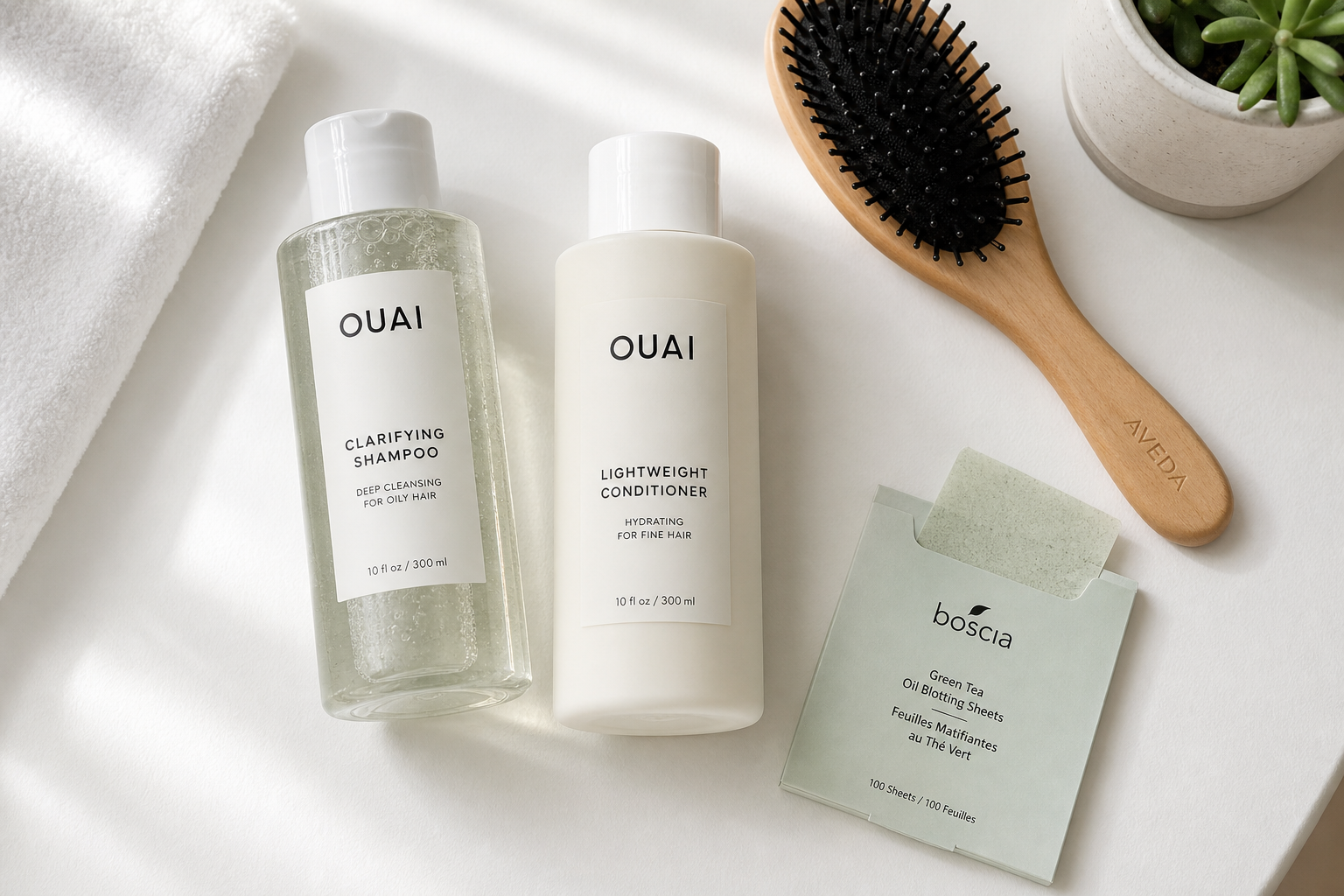
Look for formulas labeled for oily hair, clarifying, balancing, or volumizing. These shampoos often cleanse more effectively than rich moisturizing formulas. If your scalp is very oily, shampooing twice in one shower can help: first wash loosens oil and buildup, second wash cleans more fully.
Clarifying shampoo can be useful once a week or every few weeks, depending on product use. Avoid using strong clarifying formulas every day unless your scalp tolerates them well, because over-cleansing can cause dryness or irritation.
Shampoo Scalp, Not Just Hair
Oil starts at the scalp, so focus cleansing there. Massage shampoo into roots with fingertips, not nails. Let foam move through lengths while rinsing. You do not need to scrub ends aggressively unless they have heavy product buildup.
Rinse Thoroughly
Poor rinsing leaves shampoo and conditioner residue behind. Residue can mimic grease and make hair feel dull or coated. Spend extra time rinsing roots, crown, behind ears, and nape of neck. These areas often hold product.
Use Conditioner Strategically
Apply conditioner from mid-lengths to ends. If ends are dry but roots are oily, this is especially important. Choose lightweight conditioner if hair is fine. Use deep conditioner only when needed, and keep it away from scalp unless product instructions say otherwise.
Clean Brushes and Styling Tools
Brushes collect oil, dust, lint, and product. Using a dirty brush on clean hair can spread old buildup back onto roots. Remove trapped hair often and wash brushes regularly with warm water and gentle soap. Let them dry fully before use.
How to Fix Greasy Hair Without Washing
Sometimes you need a fast refresh before work, school, dinner, or an event. These quick fixes can reduce oily appearance when you cannot shampoo.
Use Dry Shampoo Correctly
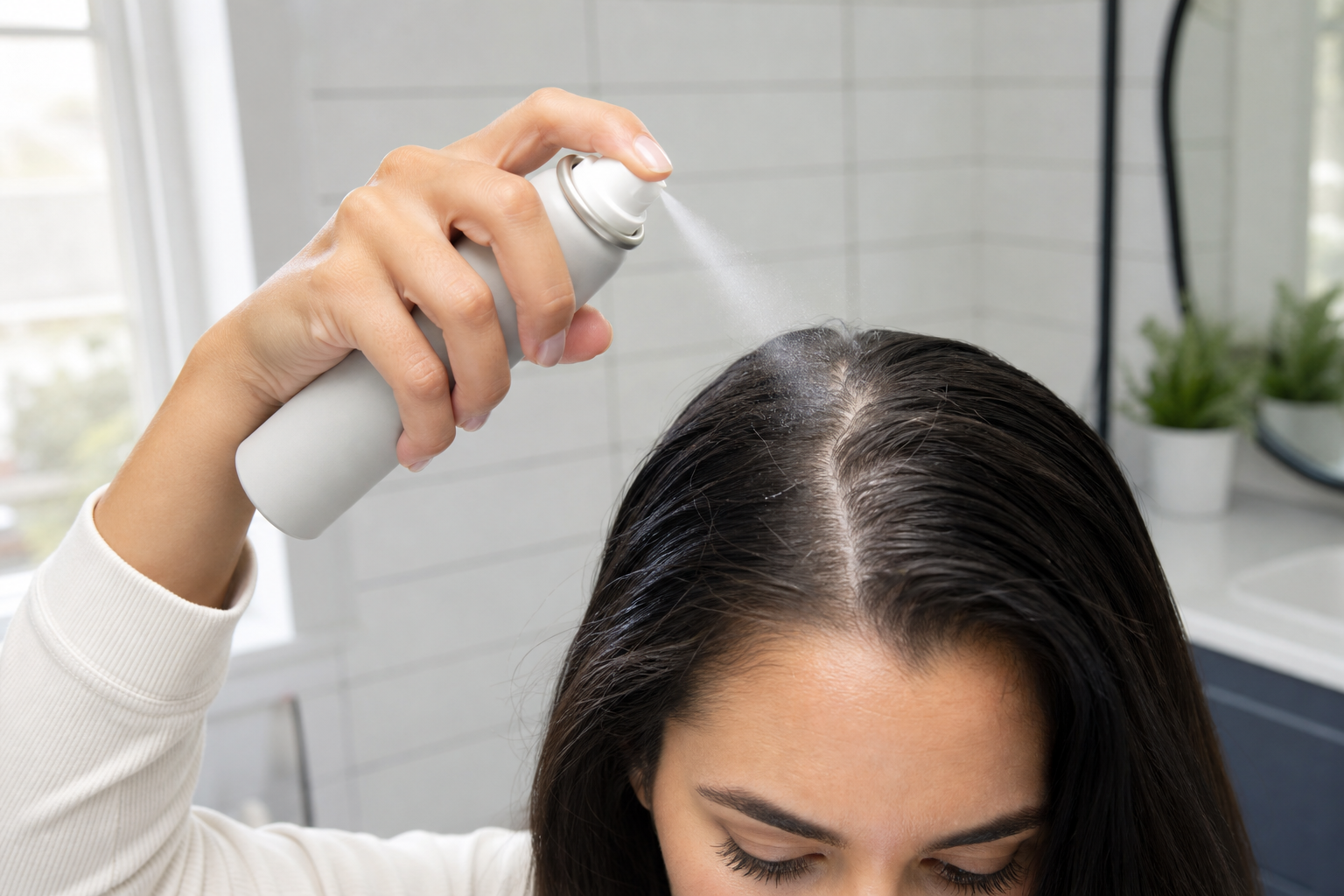
Dry shampoo absorbs oil and adds lift at roots. Spray or apply it to oily areas, wait a minute or two, then massage and brush lightly. Holding aerosol dry shampoo too close can leave white residue, especially on dark hair. Start with a small amount and add more only if needed.
Dry shampoo is helpful, but it is not a full replacement for washing. It absorbs oil but does not truly remove sweat, dead skin, or buildup. If used too often without shampooing, it can make scalp feel clogged or itchy.
Blot Roots
Paper towels or oil blotting sheets can remove surface oil from bangs, part line, and crown. Press gently instead of rubbing. This works best for light oiliness and quick touch-ups.
Try Hairstyles That Hide Oily Roots
Slick ponytails, buns, braids, claw clips, and headbands can make oily hair look intentional. A little texture spray or dry shampoo at roots can add grip and shape. For bangs that get oily quickly, washing only the front section can refresh your look without washing your whole head.
When Greasy Hair May Signal Scalp Problem
Related context illustration
Greasy hair is often normal, but some symptoms deserve closer attention. If oiliness comes with persistent itching, redness, burning, thick flakes, sores, hair shedding, or odor, consider talking with a dermatologist. Conditions like seborrheic dermatitis, scalp psoriasis, fungal overgrowth, or irritation from products may need targeted treatment.
Medical support is also smart if greasy hair appears suddenly with acne, irregular periods, unwanted facial hair growth, or other hormone-related symptoms. In those cases, scalp oil may be one piece of a bigger health picture.
Simple Oily Hair Routine to Try
If you need a practical starting point, try this routine for two to three weeks and adjust based on results.
-
Wash oily scalp daily or every other day with shampoo made for oily hair.
-
Massage scalp for at least 60 seconds while shampooing.
-
Use conditioner only on mid-lengths and ends.
-
Use clarifying shampoo once weekly if you use styling products often.
-
Limit touching hair throughout day.
-
Clean brushes, combs, hats, and pillowcases regularly.
-
Use dry shampoo between washes only when needed.
Track what changes. If hair feels cleaner longer, keep going. If scalp becomes dry or irritated, reduce clarifying shampoo, switch to a gentler cleanser, or wash less often.
Conclusion
Fast-greasing hair usually comes from sebum buildup, hair type, product residue, hormones, stress, or a routine that does not fit your scalp. The most effective fix is not ignoring oil or forcing your hair into a trend. It is choosing shampoo and products that match your needs, cleansing your scalp well, conditioning carefully, and using dry shampoo as a short-term refresh. If greasy hair appears with irritation, flakes, or sudden body changes, a dermatologist can help identify deeper causes and offer targeted care.