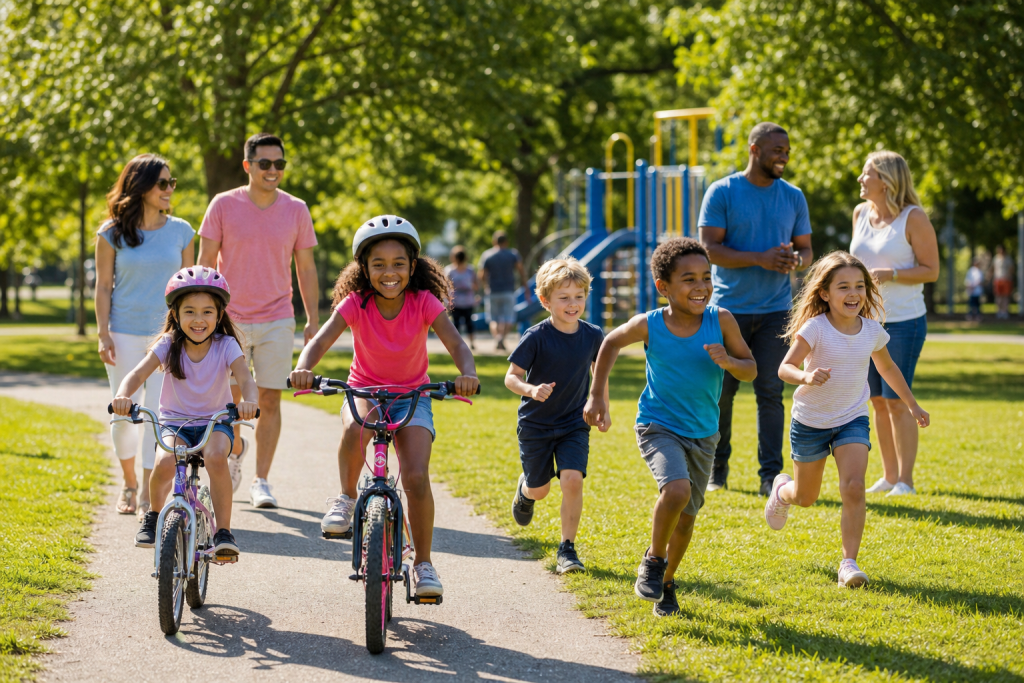

Helping children move more and feel better does not require expensive gear, packed schedules, or perfect weather. For many U.S. families, biggest challenge is building active habits around school, homework, screen time, meals, and busy workdays. When parents look for how to optimize Ways to Keep Kids Active and Happy, real answer starts with small routines that fit family life and make movement feel fun, not forced.
Introductory illustration
Kids thrive when physical activity, play, rest, social connection, and emotional safety work together. Active children often sleep better, focus longer in class, manage stress more easily, and build confidence through practice. Goal is not to create young athletes overnight. Goal is to help children enjoy healthy movement every day in ways that match age, interests, energy level, and personality.
Why Active Play Matters for Kids’ Health and Mood
Physical activity supports growing bones, muscles, heart health, coordination, and balance. It also plays big role in children’s mental and emotional well-being. Running, biking, dancing, climbing, throwing, swimming, and playground games help children release energy and process feelings after long school days.
In U.S. health guidance, school-age children need about 60 minutes or more of moderate to vigorous physical activity daily. That does not need to happen all at once. Ten minutes before school, recess, after-school sports, dog walks, backyard games, and family walks after dinner can add up. For younger kids, active play is even more natural when it is blended into pretend games, music, and outdoor exploration.
Movement also creates moments of joy. When kids master skipping rope, ride a bike without training wheels, score a basket, or finish a family hike, they experience progress. That progress builds self-esteem. Positive active experiences teach children that their bodies are capable, strong, and worth caring for.
Start With a Realistic Family Activity Routine
Best kids physical activity routine is one family can repeat. Overloaded schedules fail fast. Instead of adding five new commitments, choose two or three simple activity anchors across week.
Use movement windows already in day
Look for natural transition times. Morning stretches can wake kids up. Walking or biking to school may work in safe neighborhoods. Ten-minute movement breaks after homework reduce restlessness. Evening walks can help everyone reset before bedtime. Weekend mornings can become park time before errands.
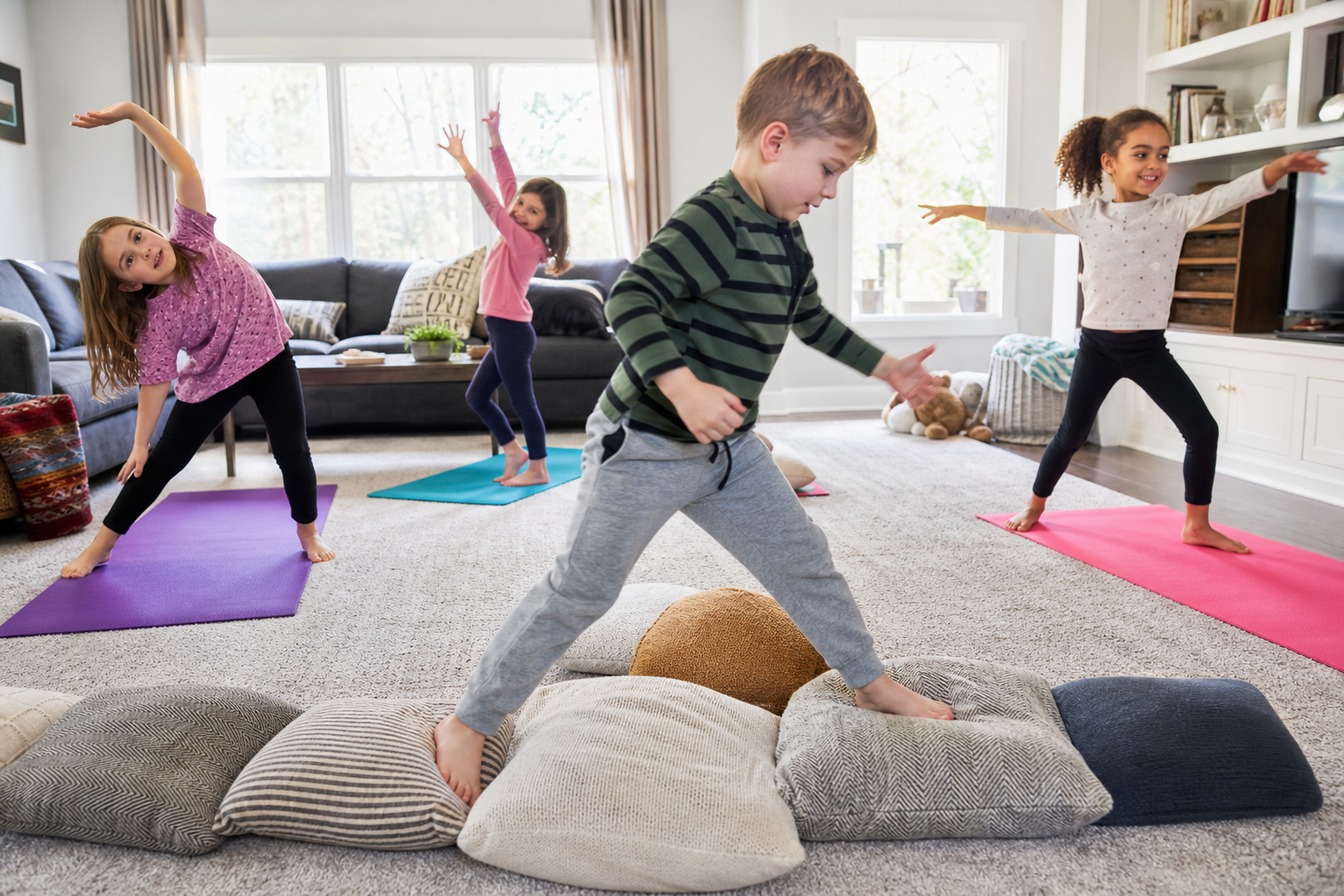
Families with long commutes or tight schedules can still add movement indoors. Try hallway animal walks, dance breaks, yoga cards, pillow obstacle courses, or timed clean-up races. Activity does not need to look like formal exercise to count.
Make activity visible on calendar
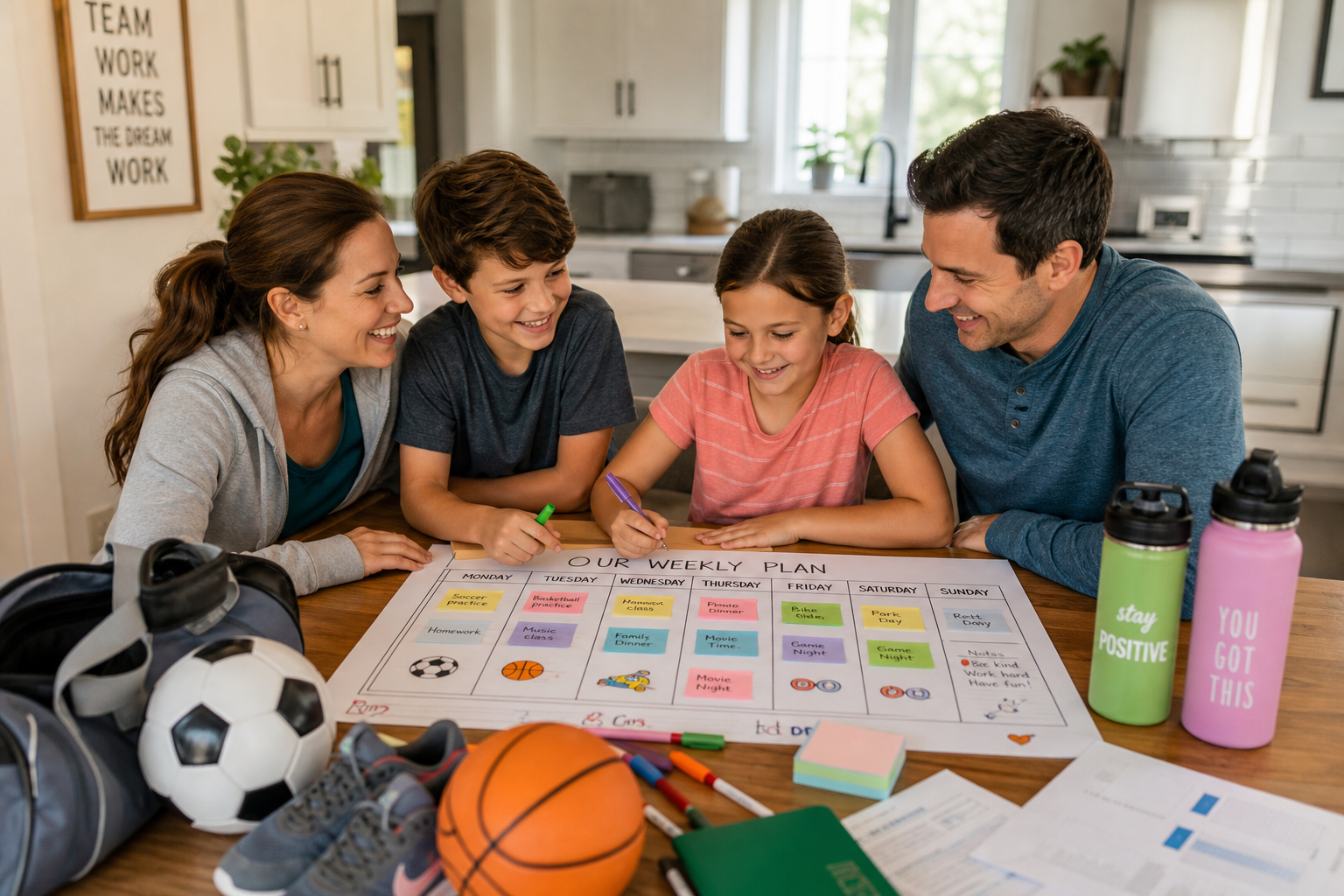
Kids respond well to predictable plans. Add active time to family calendar: Monday scooter ride, Wednesday dance video, Friday playground, Saturday swim or hike. When activity is scheduled like dinner or homework, it becomes normal part of home culture.
For children who resist sudden changes, preview plan early. Saying, After snack, we are going outside for 20 minutes, gives child time to transition. Visual charts help younger children know what comes next and reduce arguments.
Choose Fun Fitness Activities for Children by Age
One key to healthy habits for kids is matching activity to age and stage. Children enjoy movement more when challenge feels possible and fun.
Ages 3 to 5: playful movement and imagination
Preschoolers need frequent active play, not structured workouts. Great options include chase games, bubbles, dancing, tricycle riding, hopping paths, playground climbing, ball rolling, and pretend animal walks. Keep instructions short and flexible. Focus on laughter, exploration, and safety.
Ages 6 to 9: skill-building and variety
Early elementary kids like trying many activities. Soccer, gymnastics, martial arts, swimming, basketball, bike riding, jump rope, skating, and playground games all support coordination. This is good age to introduce basic rules, teamwork, and practice, while keeping pressure low.
Ages 10 to 12: confidence, choice, and challenge
Older kids often care more about peers, ability, and independence. Offer choices: rec league sports, dance, climbing gym, tennis, hiking, running clubs, skateboarding, yoga, or fitness games. Some children enjoy competition. Others prefer noncompetitive activities. Respecting that difference keeps movement positive.
Teens: autonomy and identity
Teens are more likely to stay active when activity matches identity and social life. Weight training with safe instruction, school sports, biking, dance, outdoor recreation, group fitness, walking with friends, and volunteering activities like trail cleanups can work well. Ask teens what they want their body to do, not how they want it to look.
Limit Screen Time Without Turning It Into a Battle
Detailed illustration
Screen time is part of modern childhood, especially in U.S. homes where schoolwork, social life, streaming, and gaming overlap. Goal is not constant restriction. Goal is balance. Kids need clear expectations, active alternatives, and adults who model same behavior.
Create screen-time rhythms
Try simple household rules such as no screens before school, no devices during meals, outdoor play before gaming, or screens charging outside bedrooms at night. Consistency matters more than strictness. If rules change daily, kids push harder.
Use active screen options wisely. Dance games, kid-friendly workout videos, movement challenges, and sports skill tutorials can turn screen interest into motion. This works especially well on bad-weather days or when parents need indoor solutions.
Replace, do not only remove
Children resist limits when screen time disappears and nothing appealing replaces it. Keep active choices easy to reach: balls, sidewalk chalk, jump ropes, scooters, hula hoops, kites, frisbees, beanbags, and simple craft supplies. Indoors, keep resistance bands, foam balls, yoga mats, and music playlists available.
Use Outdoor Play Ideas That Fit U.S. Family Life
Outdoor play gives kids space, sunlight, fresh air, and sensory variety. Many families have access to neighborhood parks, school playgrounds, community centers, YMCA programs, local trails, splash pads, or public recreation leagues. Use what is nearby and affordable.
Make parks more engaging
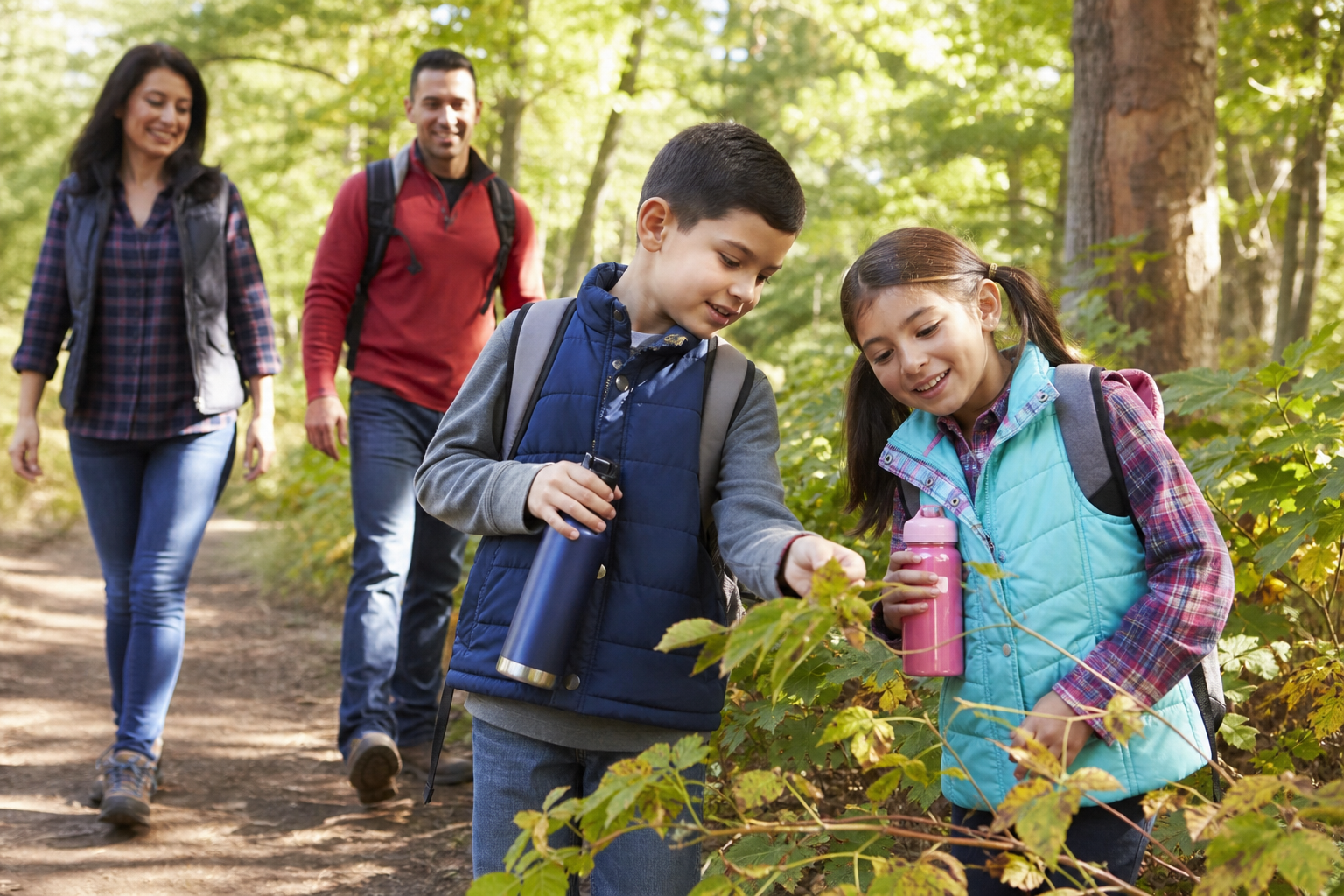
Instead of saying, Go play, bring a small mission. Try scavenger hunts, nature bingo, timed obstacle courses, leaf collecting, bird watching, or playground challenges like crossing monkey bars one more rung than last time. Kids stay engaged longer when play has story or goal.
Turn errands into movement
Park farther from store entrance, take stairs, walk farmers markets, bike to library, or visit playground after grocery pickup. Small bursts reduce sedentary time and show kids that movement belongs everywhere, not only sports practice.
Plan seasonal activities
U.S. families deal with different climates, from snowy Midwest winters to hot Southern summers. Match activity to season. In summer, choose morning walks, swimming, splash pads, shaded parks, and indoor recreation centers during heat advisories. In winter, try sledding, snow play, indoor swimming, mall walking, community gym nights, or living room dance parties.
Support Happiness, Not Just Activity
Active children are not automatically happy if activities feel stressful, competitive, or parent-controlled. Emotional tone matters. Children need encouragement, choice, rest, and connection.
Use praise that builds confidence
Praise effort, courage, persistence, teamwork, and problem-solving. Say, You kept trying even when it was hard, or You helped your teammate. Avoid making comments about weight, size, or calories. Kids should connect movement with strength, joy, and energy, not shame.
Protect free play
Structured sports can be valuable, but kids also need unstructured play. Free play lets children invent rules, negotiate with friends, solve conflicts, and follow curiosity. Overscheduling can reduce joy. If child seems tired, irritable, or resistant, consider whether schedule needs more breathing room.
Keep social connection in mind
Many kids move more when activity includes friends or family. Invite classmates to park, join community recreation programs, organize driveway basketball, or start weekend family walks. For shy children, one-on-one playdates may work better than big groups.
Build Healthy Habits for Kids Around Food, Sleep, and Recovery
Activity works best when children have enough fuel and rest. Hungry, dehydrated, or overtired kids are less likely to enjoy movement and more likely to melt down.
Fuel active days
Offer balanced meals and snacks with carbohydrates, protein, healthy fats, and fiber. Good options include peanut butter toast, yogurt with fruit, turkey roll-ups, cheese and whole-grain crackers, eggs, smoothies, oatmeal, trail mix, or hummus with pita. Keep water available, especially during sports, summer heat, and long outdoor play.
Prioritize sleep
Sleep affects mood, focus, immune health, and physical performance. Consistent bedtime routines help children recover. Dimming lights, reading, warm baths, and device-free wind-down time support better sleep. Kids who sleep well often have more patience and energy for active play next day.
Allow rest without guilt
Rest days matter. Children may need lower-intensity days after sports tournaments, illness, growth spurts, or poor sleep. Gentle walks, stretching, or casual play can keep routine without pushing too hard.
Include Kids With Different Abilities and Interests
Related context illustration
Keeping kids active and happy means adapting, not comparing. Children have different bodies, sensory needs, attention spans, medical conditions, and confidence levels. Some kids love team sports. Others prefer solo movement, music, nature, water, or imaginative play.
For children with disabilities or chronic health needs, ask pediatrician, physical therapist, occupational therapist, or adaptive recreation program for safe options. Many U.S. communities offer inclusive sports, adaptive swim lessons, sensory-friendly gym times, and accessible playgrounds. Activity should help child feel capable and included.
For children with ADHD, frequent movement breaks can improve regulation. For anxious children, predictable routines and low-pressure activities may help. For children who dislike sports, try dance, martial arts, hiking, yoga, circus arts, rock climbing, skating, or geocaching. There is no single right way to be active.
Simple Weekly Plan to Keep Kids Moving
Families often need concrete examples. This sample plan uses short, realistic activity blocks that can fit school week.
-
Monday: 20-minute after-school playground visit or backyard ball game.
-
Tuesday: 10-minute homework break with stretching, jumping jacks, or dance music.
-
Wednesday: Bike, scooter, or walk around neighborhood after dinner.
-
Thursday: Indoor obstacle course, yoga video, or active board game.
-
Friday: Family choice night: basketball, swimming, skating, or park meetup.
-
Saturday: Longer outdoor activity such as hike, nature trail, sports game, or community center visit.
-
Sunday: Gentle movement, meal prep, early bedtime, and plan next week.
This plan can be shortened, expanded, or adjusted for weather, budget, and family size. Most important part is repeating active moments often enough that they become expected.
Common Mistakes Parents Can Avoid
One common mistake is making activity feel like punishment for screen time or food choices. Movement should not be framed as paying for dessert or fixing body size. Another mistake is choosing activities based only on parent preference. A child who hates baseball may love swimming. A child who dislikes running may enjoy dance.
Many parents also expect motivation to appear first. In reality, routine often creates motivation. Start with five or ten minutes. Once child begins moving, mood often improves. Keep entry point easy, celebrate small wins, and build gradually.
Best activity plan is one child wants to repeat because it feels safe, fun, and connected to real life.
Conclusion: Keep Movement Simple, Joyful, and Consistent
Learning how to optimize Ways to Keep Kids Active and Happy comes down to practical balance. Build daily movement into routines, offer age-appropriate choices, protect outdoor and free play, set healthy screen boundaries, and support sleep, food, and emotional well-being. Children do not need perfect programs. They need regular chances to move, explore, laugh, connect, and feel proud of what their bodies can do.
Start small this week: choose one daily movement window, one outdoor activity, and one family habit that makes active living easier. When movement becomes normal, enjoyable, and shared, kids are more likely to stay active and happy for life.