
A beauty blender can make foundation look smooth, skin-like, and polished, but only while it is clean, springy, and safe to use. Once makeup sponge starts breaking down, it can hold bacteria, apply products unevenly, and irritate skin. Knowing when to throw away beauty blender helps protect complexion, improve makeup finish, and stop wasting expensive foundation on sponge that no longer works well.
Introductory illustration
Most makeup users in US replace their beauty sponge too late. It may still look usable from distance, but texture, smell, stains, and performance often tell different story. Below is practical guide to beauty blender replacement, how long makeup sponge lasts, warning signs to watch for, and how to clean beauty blender correctly so it stays safe between replacements.
How Long Does Beauty Blender Last?
For daily makeup users, beauty blender usually lasts about 1 to 3 months. If used only few times per week and cleaned well after each use, it may last closer to 3 months. If used daily with liquid foundation, concealer, cream contour, or SPF, expect shorter lifespan.
Original Beautyblender brand recommends replacing sponge every 3 to 6 months depending on use and care, but many dermatology-minded makeup artists suggest replacing it sooner if used daily. Generic makeup sponges from drugstores can wear faster because foam density, dye quality, and durability vary widely.
Simple rule: if sponge changes smell, texture, shape, color, or performance, it is time to replace it even if it is newer than 3 months.
When to Throw Away Beauty Blender: Key Signs
1. It Has Black, Green, or Fuzzy Spots
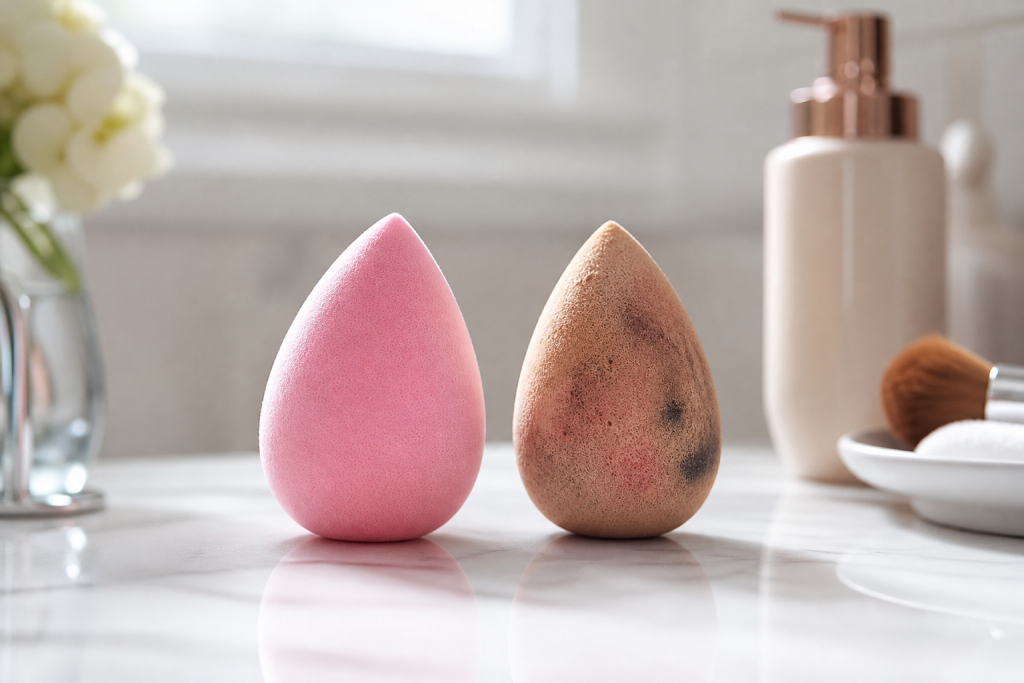
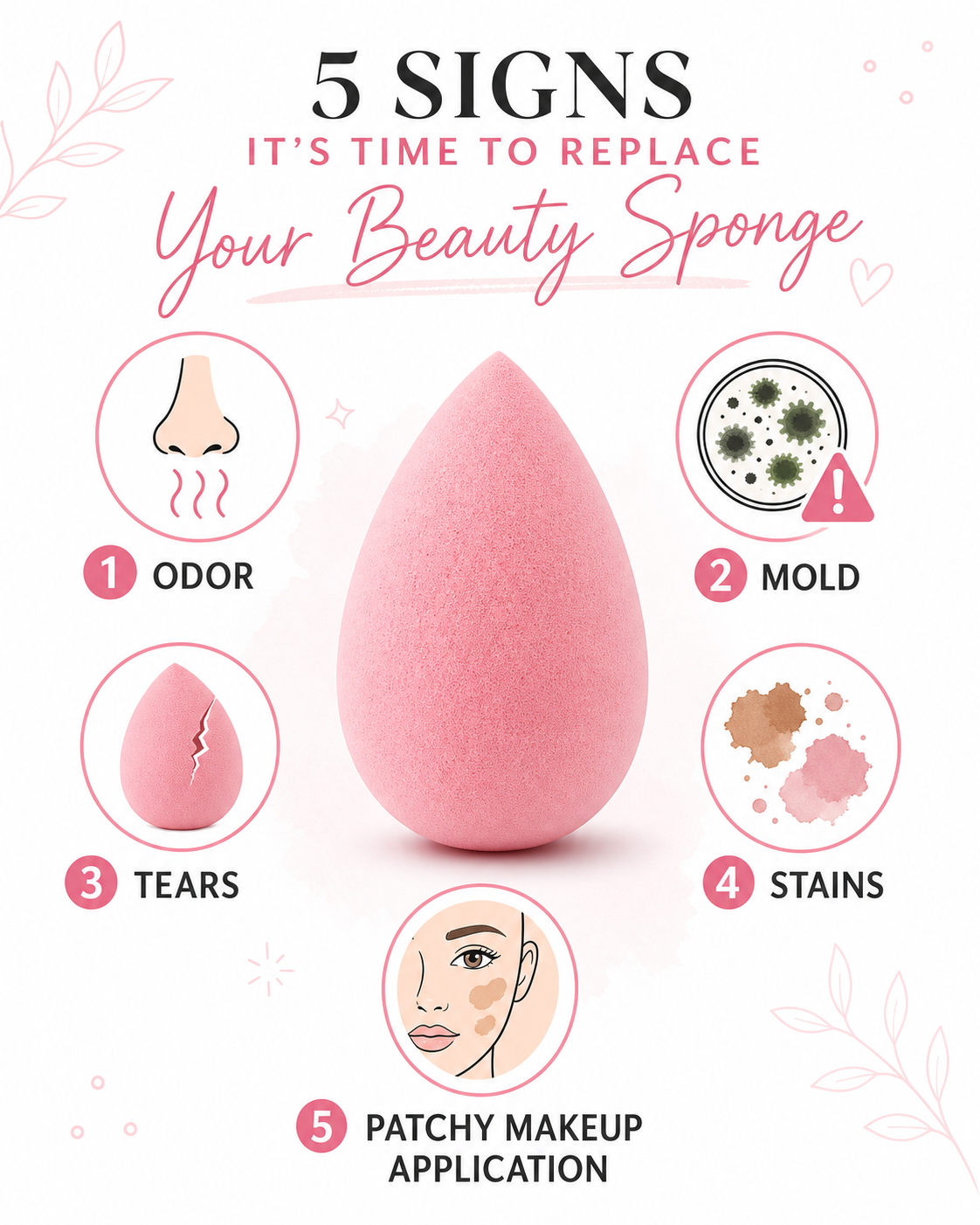
Visible mold is strongest sign to throw sponge away immediately. Mold may appear as black dots, dark patches, green marks, or fuzzy spots, especially near center, pointed tip, or torn areas. Do not try to save moldy makeup sponge with soap, vinegar, boiling water, microwave, or alcohol. Once mold appears, spores may sit deep inside foam.
Using moldy sponge near nose, eyes, or broken skin can increase risk of irritation, breakouts, and infection. Replace it right away.
2. Sponge Smells Sour, Musty, or Like Mildew
Clean sponge should smell neutral or like cleanser after washing. If it smells sour, musty, damp, or like old towel, bacteria or mildew may be growing inside. Odor that returns after washing means sponge is no longer hygienic.
This often happens when beauty blender is stored wet in makeup bag, closed drawer, or airtight case. Damp foam plus foundation residue creates ideal environment for bacteria.
3. It Stays Stained No Matter How Much You Wash It
Some staining is normal, especially from full-coverage foundation, self-tanner, cream blush, or long-wear products. But heavy, dark, permanent staining can signal product buildup deep inside sponge. When sponge looks dirty even after proper cleaning, it may also apply makeup unevenly and transfer old pigment back onto skin.
If stains combine with odor, rough texture, or breakouts, replace sponge sooner.
4. Texture Feels Rough, Sticky, Crumbly, or Slimy
Fresh beauty blender feels soft, bouncy, and porous. Old sponge may feel rough, sticky, dense, crumbly, or slimy even after drying. Texture change means foam structure has broken down or product residue remains trapped.
Rough sponge can disturb foundation and emphasize dry patches. Sticky or slimy feel is hygiene red flag.
5. It Has Tears, Cracks, or Missing Pieces
Small surface nicks happen, especially if nails scrape sponge during washing. But larger tears, cracks, or missing chunks mean sponge can no longer blend evenly. Damaged foam also traps makeup and bacteria in crevices.
Once sponge sheds pieces or leaves little foam crumbs on face, throw it away.
6. Makeup Looks Patchy or Streaky
Sometimes problem is not foundation, primer, or skin prep. Old beauty blender can absorb too much product, bounce poorly, and create patchy coverage. If usual routine suddenly looks streaky, cakey, or uneven, inspect sponge.
Good sponge should expand when damp and bounce smoothly on skin. If it feels flat or hard, replacement may fix application.
7. You Are Breaking Out More Than Usual
Dirty makeup sponge can contribute to clogged pores, acne flare-ups, and irritation. It can collect foundation, oil, sunscreen, dead skin cells, and bacteria. If breakouts appear around cheeks, chin, jaw, or nose after using same sponge for weeks, sponge may be one cause.
Breakouts can have many causes, including hormones, skincare, stress, and diet. Still, replacing old sponge and cleaning tools often is low-cost hygiene step.
8. It No Longer Expands Properly When Wet
Beauty blender should grow noticeably larger when soaked and squeezed. If it stays small, hard, misshapen, or dense, foam may be degraded. Poor expansion makes blending harder and increases product waste.
When damp sponge stops feeling airy and flexible, it is past prime.
9. It Has Been More Than 3 Months With Frequent Use
Even without obvious mold or odor, frequent use wears sponge down. If you use it most days, set 3-month replacement limit. For heavy use, oily skin, acne-prone skin, or professional makeup kits, replace sooner.
For occasional users, mark first-use date on package or note app. Time passes fast, and old sponge may look acceptable longer than it is hygienic.
Beauty Blender Replacement Schedule
Use this practical schedule for typical US beauty routine:
- Daily use: replace every 1 to 3 months.
- Several times per week: replace every 2 to 3 months.
- Occasional use: replace every 3 to 6 months if perfectly clean, dry, and intact.
- Acne-prone or sensitive skin: replace every 1 to 2 months.
- Professional makeup use: use disposable sponges or sanitize tools strictly between clients; never share damp porous sponge without proper hygiene protocol.
If sponge touches irritated skin, active infection, cold sore area, or eye infection area, throw it away after use. Safety beats savings.
How to Clean Beauty Blender So It Lasts Longer
Detailed illustration
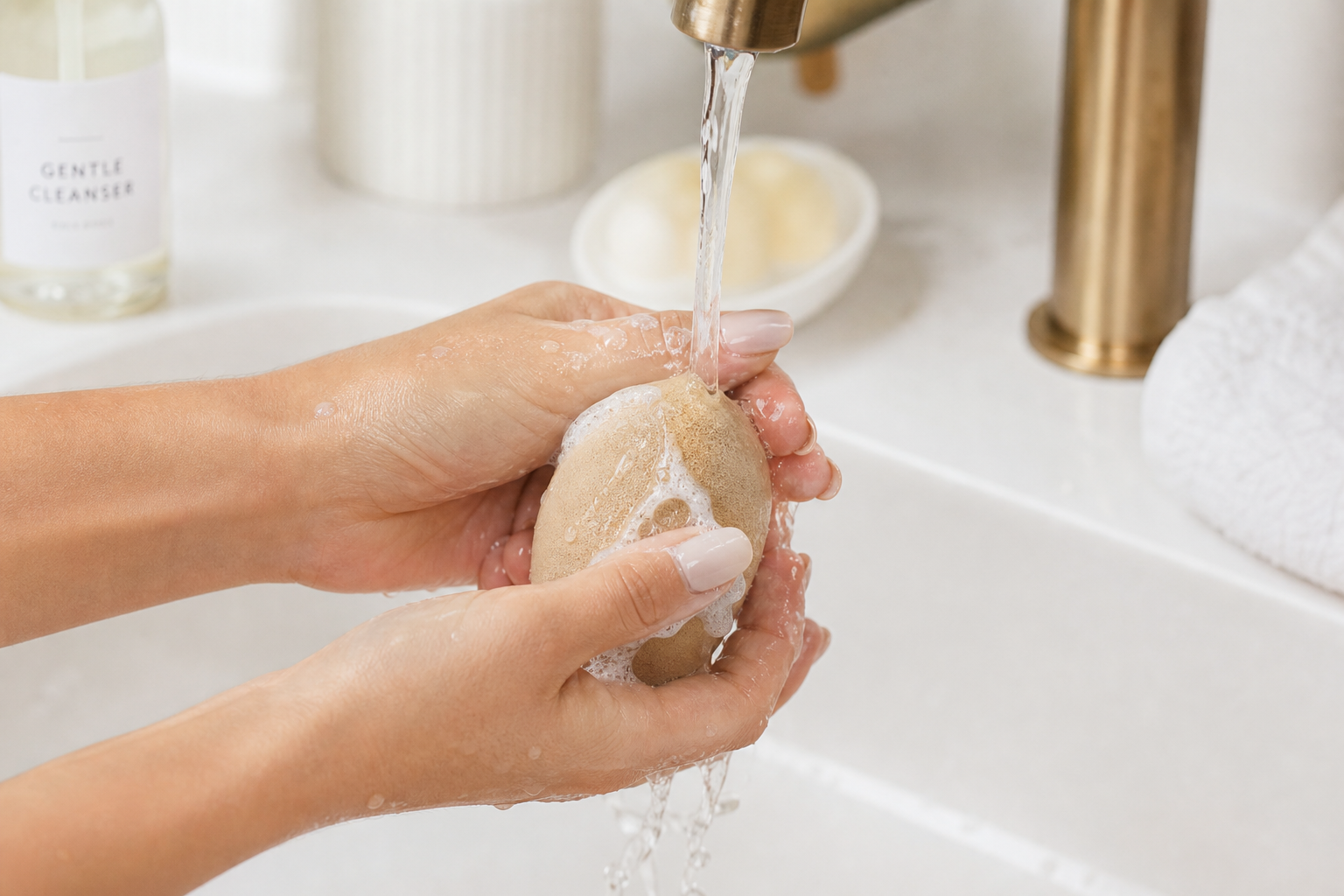
Cleaning does not make old sponge last forever, but it delays buildup and reduces bacteria risk. Best habit: wash sponge after every use, especially when using liquid or cream products.
Fast Daily Cleaning Method
-
Wet sponge fully with warm water.
-
Add gentle soap, solid sponge cleanser, or fragrance-free liquid cleanser.
-
Massage and squeeze until foundation begins lifting.
-
Rinse under running water while squeezing until water runs clear.
-
Squeeze excess water with clean towel.
-
Air-dry in open, well-ventilated area.
Avoid twisting hard because it can tear foam. Press and squeeze instead.
Deep Cleaning for Heavy Foundation Buildup
For stubborn stains, soak sponge in warm water with sponge cleanser for 10 to 15 minutes, then wash as usual. Repeat if needed. Do not soak overnight; long soaking can weaken foam and encourage bacteria if water cools and sits.
Microwaving beauty sponge is popular online, but it can be risky. Sponge can overheat, burn, or fail to disinfect fully if not done right. Soap, water, and full drying are safer everyday options.
Best Way to Dry and Store Makeup Sponge
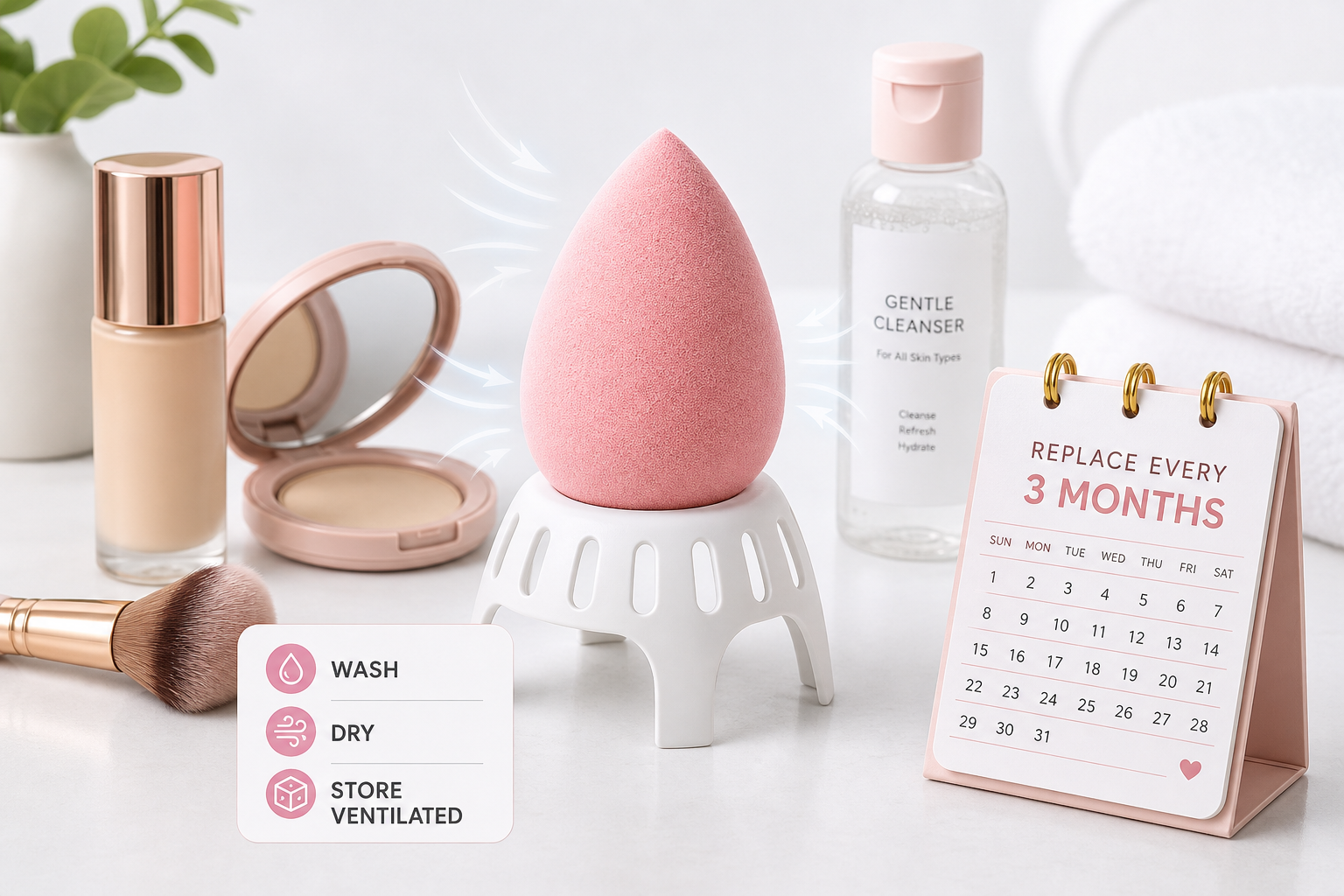
Storage matters as much as washing. Bacteria and mildew grow faster in damp, dark, sealed spaces. Never toss wet beauty blender into makeup bag, bathroom drawer, or closed plastic container.
After washing, place sponge on clean drying stand, open soap dish, or breathable case. Keep it away from toilet splash zones and humid shower steam. If traveling, let sponge dry as much as possible before packing. Use vented sponge case instead of zip-top bag.
If sponge is still damp after 24 hours, storage spot is too humid or poorly ventilated.
Can You Disinfect Beauty Blender Instead of Replacing It?
You can reduce germs with proper cleaning, but porous foam cannot be sterilized like metal tweezers or glass tools. Once bacteria, oils, and pigment settle deep inside, surface cleaning may not remove everything. Disinfecting methods may also damage sponge texture.
For personal use, regular washing plus scheduled replacement is best. For makeup artists, disposable wedges or strict professional sanitation standards are safer than reusing damp sponge across clients.
Beauty Blender vs. Makeup Brushes: Which Lasts Longer?
Brushes usually last longer than beauty sponges because bristles dry faster and can be cleaned more thoroughly. Quality brushes may last years with proper care. Beauty blenders are meant to be replaced often because foam absorbs water, oils, and cream products.
If you want lower replacement cost, use sponge only for final blending and brushes for most foundation application. This reduces product absorption and extends sponge life.
Common Mistakes That Make Beauty Sponges Go Bad Faster
Related context illustration
- Leaving sponge wet in closed bag: causes mildew smell and mold risk.
- Using harsh dish soap often: can strip and weaken foam.
- Scrubbing with nails: creates tears where product gets trapped.
- Skipping cleaning for several uses: builds bacteria, oil, and pigment.
- Storing near sink or toilet: exposes sponge to bathroom germs.
- Sharing sponge: transfers bacteria and skin oils.
Small habit changes make big difference. Wash after use, dry in open air, and replace before sponge looks terrible.
What to Do With Old Beauty Blender
Once sponge is not safe for face, do not use it on skin. If it is not moldy, some people repurpose it for nail art, craft painting, shoe touch-ups, or cleaning small household areas. If it smells bad, has mold, or is crumbling, throw it in trash.
Most beauty sponges are not curbside recyclable because they are contaminated with makeup and made from mixed foam materials. Check brand-specific recycling programs if sustainability matters to you.
Quick Checklist: Keep or Toss?
Throw away beauty blender if any answer is yes:
-
Does it smell sour, musty, or mildewy?
-
Does it have black, green, or fuzzy spots?
-
Is it torn, cracked, or crumbling?
-
Does it feel sticky, slimy, rough, or hard?
-
Does makeup apply patchy or unevenly?
-
Has it been used daily for 3 months?
-
Did you use it during skin or eye infection?
If unsure, replace it. Makeup sponge is cheaper than treating irritated skin or wasting high-end foundation.
Final Takeaway
Knowing when to throw away beauty blender comes down to hygiene, texture, smell, and performance. Replace it every 1 to 3 months for regular use, sooner if it smells bad, shows mold, tears, feels strange, or causes patchy makeup. Clean it after each use, dry it fully in open air, and store it in breathable space. Fresh sponge gives smoother makeup, cleaner skin contact, and better value from products already in your routine.