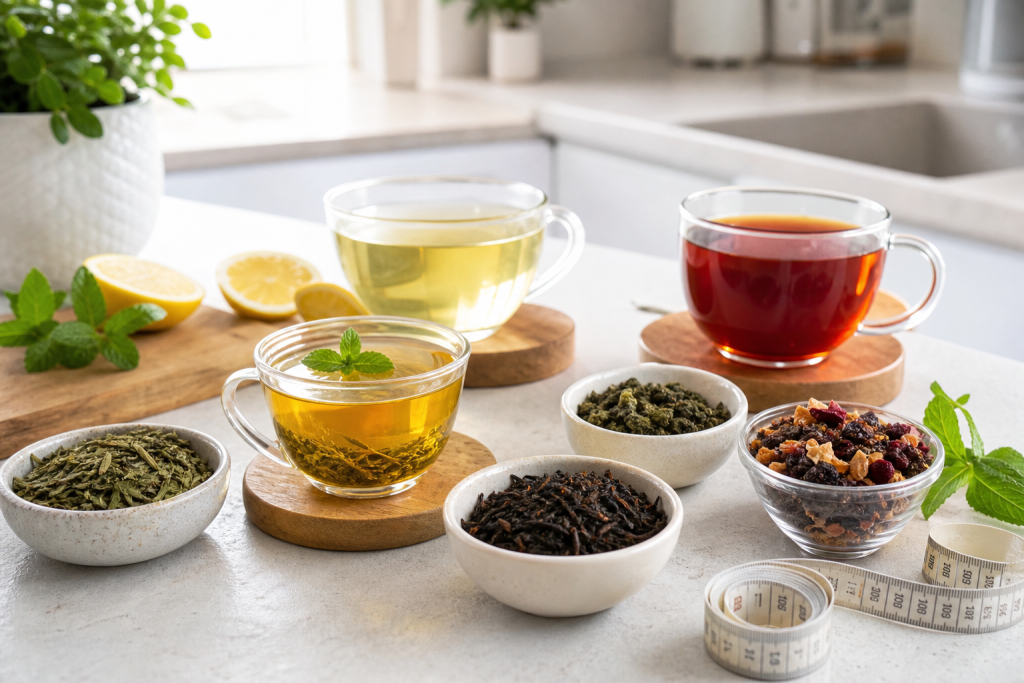

Tea is one of the most popular drinks in the United States, and many people turn to it when trying to manage weight. The big question is: how does tea help with weight loss in real life? Tea is not a magic fat burner, but it can support a healthy weight loss plan through hydration, appetite control, better beverage choices, and compounds that may slightly boost metabolism. When paired with balanced meals, movement, sleep, and calorie awareness, tea can become a useful daily habit.
Introductory illustration
Different teas work in different ways. Green tea, black tea, oolong tea, white tea, and certain herbal teas all offer unique benefits. Some contain caffeine and catechins, while others may help reduce cravings or replace higher-calorie drinks. Understanding what tea can and cannot do helps set realistic expectations and makes it easier to use tea wisely.
How Tea May Help With Weight Loss
Tea supports weight loss through several small but meaningful mechanisms. None of these effects replace diet quality or a calorie deficit, but together they can make healthy routines easier to maintain.
Tea Can Help Replace High-Calorie Drinks
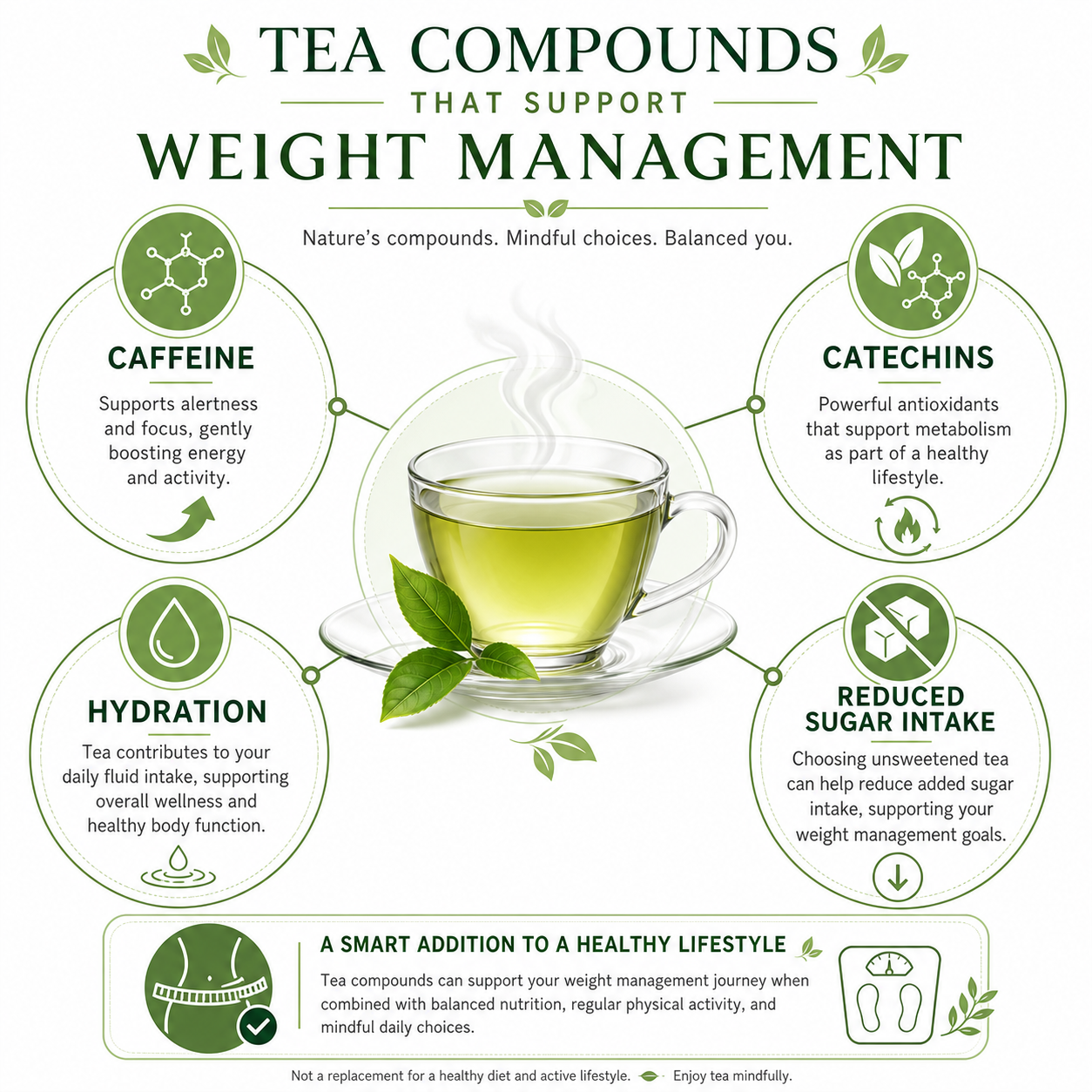
One of the simplest ways tea may help with weight loss is by replacing sugary beverages. In the U.S., many people regularly drink soda, sweet coffee drinks, bottled juices, energy drinks, and sweet tea. These drinks can add hundreds of calories per day without creating much fullness.
Plain hot tea, iced tea without sugar, or lightly flavored tea has very few calories. Swapping a 300-calorie blended coffee or a 150-calorie soda for unsweetened tea can create a meaningful calorie reduction over time. This is not flashy, but it is practical and sustainable.
Caffeine May Slightly Increase Energy Burn
Many true teas, including green tea, black tea, oolong tea, and white tea, naturally contain caffeine. Caffeine can temporarily increase alertness and may slightly raise energy expenditure. It may also improve exercise performance for some people, making workouts feel more manageable.
The effect is modest. Drinking tea will not cause dramatic fat loss on its own. However, using tea as a lower-calorie source of caffeine instead of sugar-heavy drinks can be a smart change. People sensitive to caffeine should choose lower-caffeine options or drink tea earlier in the day.
Catechins in Green Tea May Support Fat Oxidation
Green tea is often linked with weight management because it contains catechins, especially epigallocatechin gallate, also known as EGCG. Catechins are plant compounds studied for their potential effect on metabolism and fat oxidation. Some research suggests that green tea catechins, especially when combined with caffeine, may slightly increase calorie burning and fat use.
This does not mean green tea melts belly fat. The effect is usually small and varies by person. Still, green tea for weight loss can be a helpful part of a broader routine because it is low in calories, easy to prepare, and rich in antioxidants.
Tea May Help Manage Appetite and Cravings
Warm drinks can feel soothing and may help reduce the urge to snack out of boredom or stress. A cup of tea after dinner can replace dessert for some people, especially when the tea has naturally sweet notes like cinnamon, vanilla, peppermint, rooibos, or chai spices without added sugar.
Tea also adds structure to the day. Having a planned mid-afternoon cup can interrupt mindless grazing. This matters because weight loss often depends less on perfect meals and more on reducing unplanned calories that creep in between meals.
Best Teas for Weight Loss Support
The best tea for weight loss is the one you enjoy unsweetened or lightly sweetened and can drink consistently. Each type has a different flavor, caffeine level, and potential benefit.
Green Tea
Green tea is a popular choice because it contains caffeine and catechins. It has a grassy, fresh flavor and works well hot or iced. Many Americans enjoy it with lemon, mint, or a small amount of honey, though keeping sweeteners minimal is best for weight goals.
Matcha, a powdered form of green tea, may provide more catechins because the whole tea leaf is consumed. However, matcha lattes from coffee shops often contain added sugar and milk, so homemade versions are usually better for calorie control.
Black Tea
Black tea has a stronger flavor and more caffeine than many other teas. It can be a good alternative to sweet coffee drinks, especially in the morning. Unsweetened iced black tea is also widely available in U.S. restaurants and convenience stores.
Black tea contains polyphenols that may support gut health and metabolic wellness. For weight loss, its biggest advantage may be helping people reduce sugar intake while still enjoying a bold, satisfying drink.
Oolong Tea
Oolong tea falls between green and black tea in oxidation level. It has a smooth, sometimes floral or roasted taste. Oolong contains caffeine and polyphenols, and some studies have explored its role in fat oxidation and energy expenditure.
For people who dislike the grassy taste of green tea but want something lighter than black tea, oolong is a strong option. It is also pleasant without sweeteners, which makes it useful for cutting liquid calories.
White Tea
White tea is delicate, mild, and usually lower in caffeine. It contains antioxidants and can be a good afternoon option for people who want a gentler tea. While it is less studied for weight loss than green tea, it still supports hydration and low-calorie beverage habits.
Herbal Tea
Herbal teas are not technically true teas because they do not come from the Camellia sinensis plant. Still, they can support weight management by helping with cravings, hydration, and evening routines. Popular options include peppermint, ginger, hibiscus, chamomile, cinnamon, and rooibos.
Herbal tea for weight management is especially useful at night because most varieties are caffeine-free. A warm mug after dinner can signal that eating is done for the day, which may help reduce late-night snacking.
How to Drink Tea for Better Weight Loss Results
Detailed illustration
Tea works best when used as a habit, not a quick fix. The way tea is prepared matters as much as the type of tea chosen.
Drink It Unsweetened Most of the Time
Adding sugar, syrups, sweet creamers, or large amounts of honey can turn tea into a calorie-heavy drink. This is especially common with bottled teas, bubble tea, chai lattes, and sweet tea. Some bottled iced teas in the U.S. contain as much sugar as soda.
If plain tea tastes too bitter, try cold brewing, adding lemon, using cinnamon, choosing naturally sweet herbal blends, or reducing steeping time. Cold-brewed tea often tastes smoother and less bitter than hot-brewed tea.
Use Tea to Support Meal Timing
Tea can fit into several parts of the day. Morning black tea or green tea can replace a sweet coffee drink. Mid-afternoon tea can help with energy dips and cravings. Evening herbal tea can support a calmer routine without caffeine.
Some people like drinking tea before meals because it helps them slow down and feel more mindful. Others prefer it between meals to avoid snacking. The best timing depends on personal habits and caffeine tolerance.
Pair Tea With Protein and Fiber
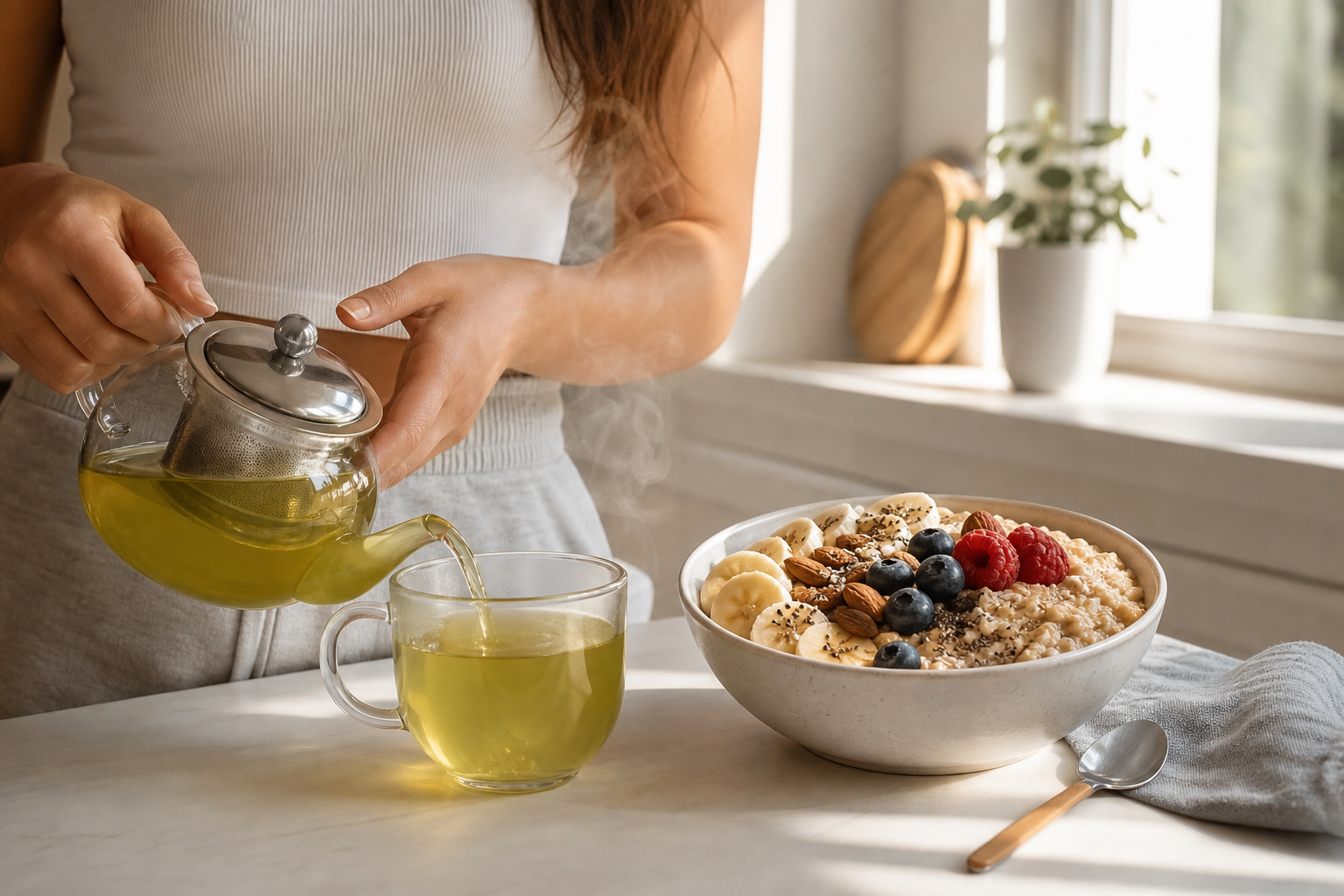
Tea alone will not keep most people full for long. Weight loss is easier when meals include protein, fiber, and healthy fats. Good examples include eggs with vegetables, Greek yogurt with berries, chicken salad, lentil soup, tofu stir-fry, oatmeal with nuts, or salmon with roasted vegetables.
Tea can complement these meals by replacing high-calorie beverages. It should support a balanced eating pattern, not replace real nutrition.
Common Mistakes That Reduce Tea’s Benefits
Tea can help with weight loss, but certain habits can cancel out its benefits or create unrealistic expectations.
Relying on Detox Teas
Many detox teas promise fast weight loss, flat stomach results, or body cleansing. These claims are often misleading. Some products contain laxatives or diuretics, which may cause temporary water loss rather than fat loss. They can also lead to dehydration, stomach cramps, and electrolyte imbalance.
Real fat loss comes from long-term calorie balance, consistent habits, and metabolic health. Detox tea weight changes are often temporary water or digestive changes, not true fat reduction.
Drinking Too Much Caffeine
More tea is not always better. Too much caffeine can cause anxiety, poor sleep, jitters, acid reflux, or headaches. Poor sleep can also make weight loss harder by increasing hunger and cravings.
Most healthy adults in the U.S. are advised to keep caffeine intake up to about 400 milligrams per day. Pregnant people, people with certain heart conditions, and those taking medications should ask a healthcare professional about safe caffeine limits.
Choosing Sweetened Bottled Tea
Bottled tea looks healthy, but labels matter. Many commercial iced teas contain added sugar, fruit juice concentrates, or high-fructose corn syrup. When buying bottled tea, look for “unsweetened” on the label and check total added sugars.
What Results Can You Expect?
Related context illustration
Tea may support weight loss, but results are usually gradual. A person who replaces one sugary drink per day with unsweetened tea could reduce weekly calorie intake significantly. Someone who uses tea to manage afternoon cravings may avoid extra snacks. A regular green tea habit may add a small metabolic benefit.
These effects are not dramatic on their own, but they can compound. Sustainable weight loss usually comes from many small choices repeated over time. Tea is valuable because it is affordable, easy to prepare, widely available, and flexible for different lifestyles.
Simple Tea Routine for Weight Loss Support
A practical daily tea routine might look like this:
-
Morning: Green tea, matcha, oolong, or black tea instead of a sweet coffee drink.
-
Afternoon: Unsweetened iced tea or hot tea to reduce snack cravings and support hydration.
-
Evening: Caffeine-free herbal tea such as peppermint, chamomile, ginger, or rooibos.
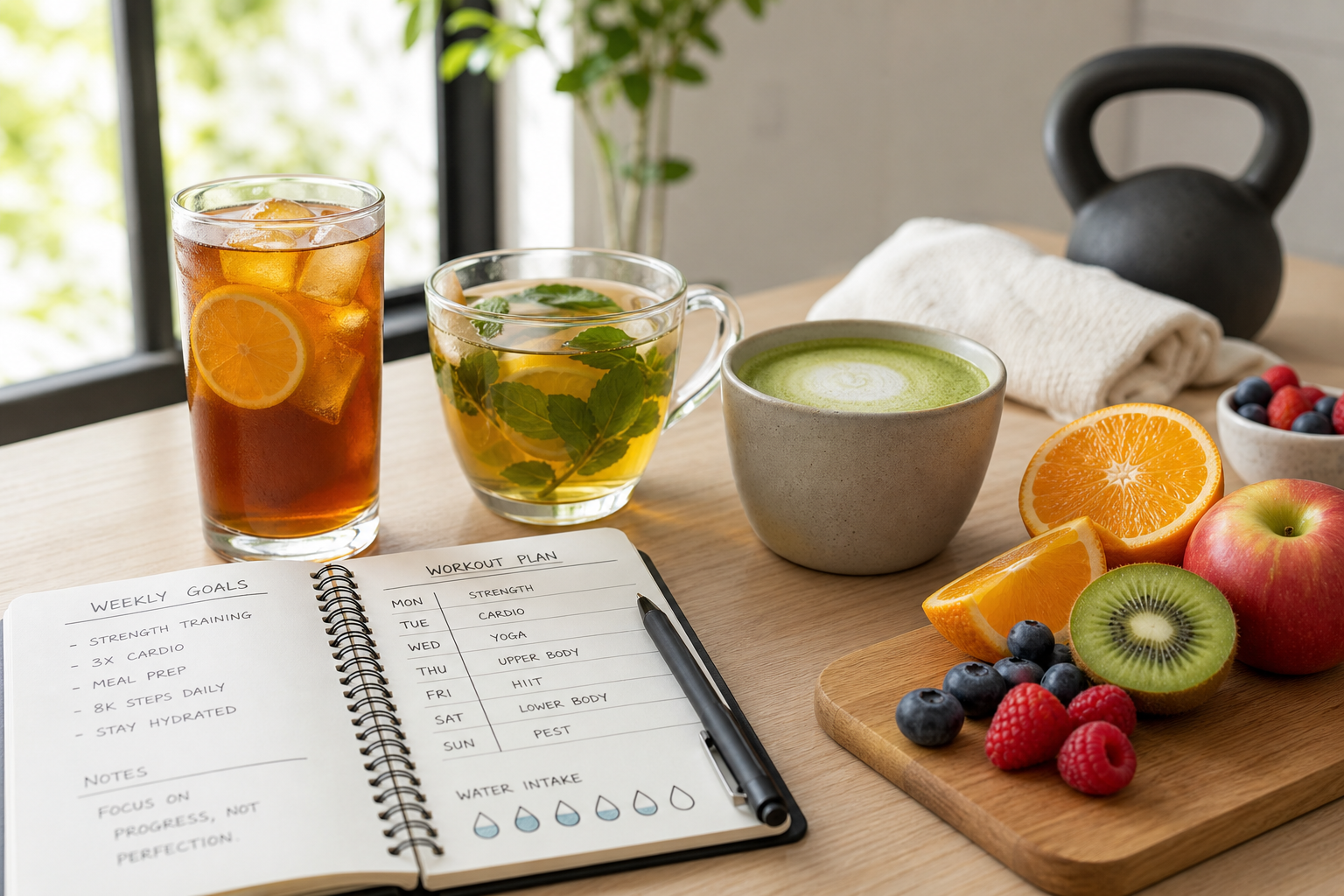
This routine keeps calories low, supports hydration, and helps create a rhythm around eating. For best results, pair it with regular meals, enough protein, fruits and vegetables, strength training, walking, and consistent sleep.
Final Thoughts
So, how does tea help with weight loss? Tea can reduce liquid calories, provide mild caffeine-related metabolic support, offer beneficial plant compounds, help manage cravings, and make healthy routines easier to follow. Green tea, black tea, oolong tea, white tea, and herbal tea can all play a role depending on taste and caffeine needs.
The key is to drink tea mostly unsweetened and treat it as one tool within a realistic weight management plan. Tea will not replace balanced nutrition or physical activity, but it can make the process feel easier, more enjoyable, and more sustainable.