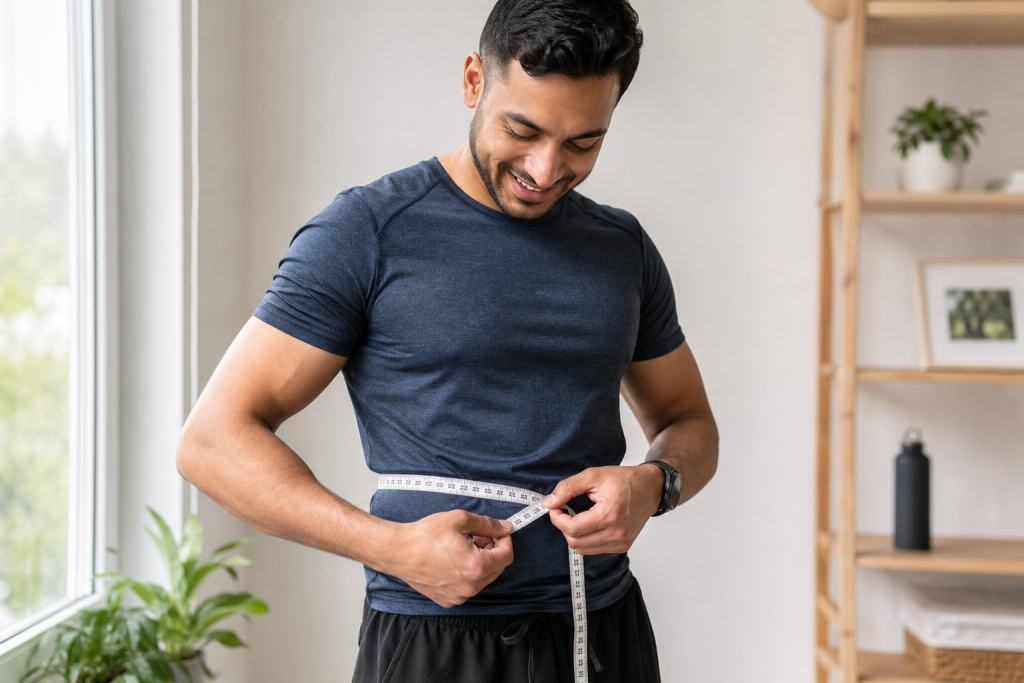

Loose skin after weight loss, pregnancy, or aging can feel frustrating because progress is slower than fat loss. If you are wondering how long does loose skin take to tighten, the honest answer is that mild skin looseness may improve in several months, while more significant loose skin can take one to two years to show its full natural tightening potential. In some cases, especially after major weight loss, skin may not fully tighten without medical or surgical help.
Introductory illustration
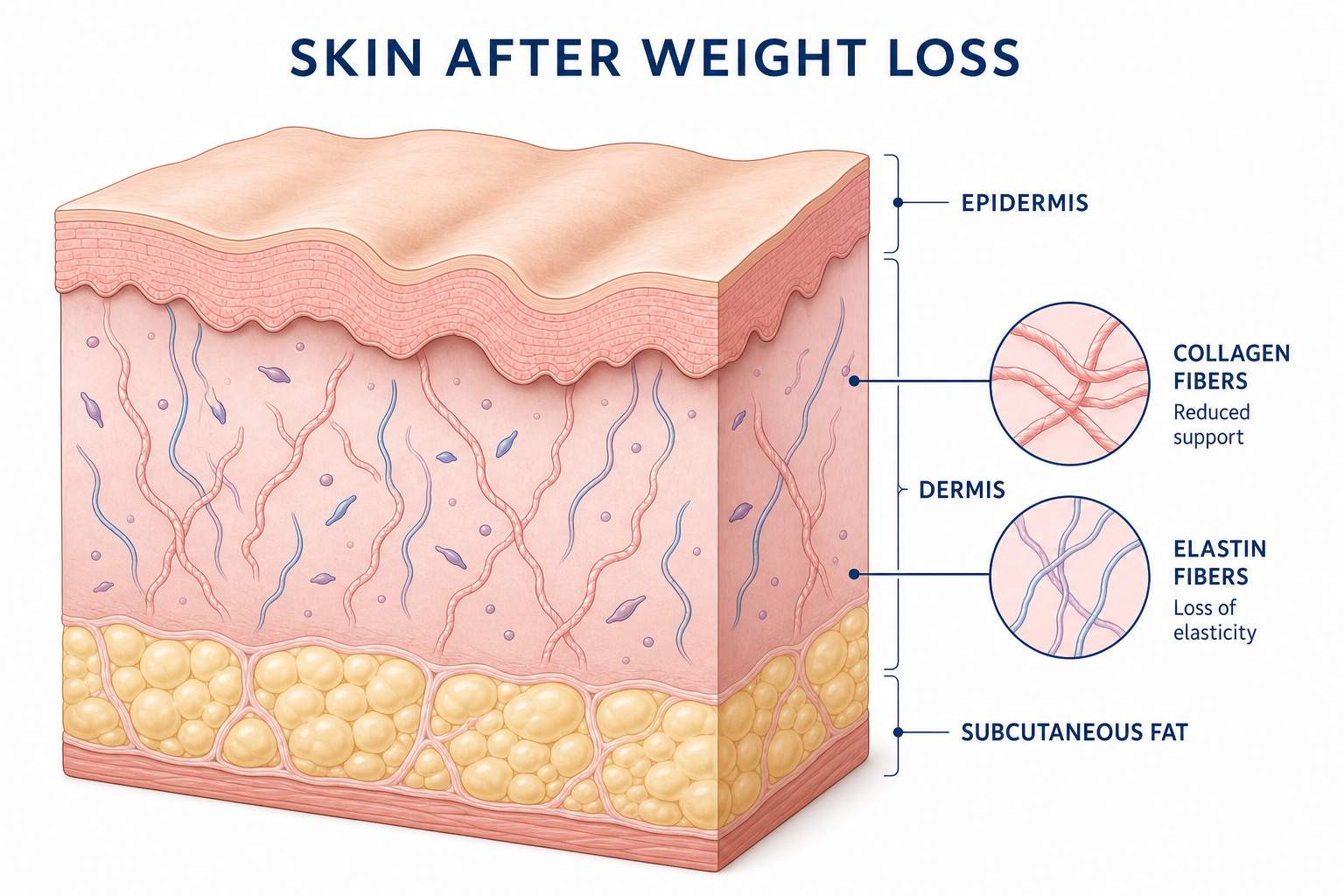
Skin is a living organ, not shrink-wrap. It contains collagen and elastin fibers that allow it to stretch and rebound. When skin has been stretched for a long time or stretched beyond its natural limit, those fibers can become damaged. That is why two people can lose the same amount of weight and have very different results. Age, genetics, weight loss speed, total pounds lost, sun exposure, smoking, muscle mass, hydration, nutrition, and time all matter.
How Long Does Loose Skin Take to Tighten Naturally?
For many adults in the US, natural skin tightening after weight loss happens gradually over 6 to 24 months. Mild looseness may look better within 3 to 6 months, especially in younger people with good skin elasticity. Moderate looseness often needs 6 to 12 months to show meaningful improvement. Severe loose skin after losing 80, 100, or more pounds may still remain after two years.
Skin remodeling is slow because collagen turnover takes time. Your body does not instantly replace stretched or weakened fibers. It rebuilds tissue through ongoing repair, circulation, protein use, and hormonal signals. This process is affected by everyday habits, including sleep, nutrition, resistance training, and sun protection.
General timeline: mild loose skin may improve within months; moderate loose skin often needs a year or more; major loose skin may not fully tighten naturally.
Why Loose Skin Happens After Weight Loss
Loose skin forms when skin has expanded to cover a larger body size and then has trouble returning after fat volume decreases. Skin can stretch during weight gain, pregnancy, bodybuilding changes, or fluid shifts. Once underlying fat shrinks, extra skin may fold, wrinkle, or hang, especially around the abdomen, arms, thighs, chest, neck, and lower back.
One key factor is how long skin stayed stretched. Someone who carried extra weight for 15 years is more likely to have persistent looseness than someone who gained weight recently. Duration affects collagen and elastin quality. Longer stretching can weaken support structures and reduce rebound.
Common areas where loose skin appears
-
Abdomen: common after pregnancy or major weight loss.
-
Upper arms: often called bat wings, especially after fat loss.
-
Thighs: inner thigh skin may appear crepey or folded.
-
Chest: can affect both men and women after weight changes.
-
Face and neck: aging and weight loss can make sagging more visible.
Factors That Decide Whether Loose Skin Tightens
Age and skin elasticity
Younger skin usually tightens faster because collagen and elastin are more resilient. After age 30, collagen production gradually declines. By your 40s, 50s, and beyond, skin may still improve, but it usually tightens more slowly and less completely. Men and women can both experience this, though hormonal changes after pregnancy or menopause can make skin laxity more noticeable.
Amount of weight lost
Losing 10 to 30 pounds often causes little or mild looseness. Losing 50 pounds may create more visible skin folds, depending on body composition. Losing 100 pounds or more, especially after bariatric surgery or long-term obesity, commonly leads to significant excess skin. In those cases, natural tightening can improve texture but may not remove overhanging skin.
Speed of weight loss
Rapid weight loss can make loose skin more noticeable because fat disappears faster than skin can adapt. This does not mean slow weight loss guarantees tight skin, but gradual loss gives the body more time to remodel tissue. A safe, steady rate for many people is about 1 to 2 pounds per week, though medical weight loss plans may vary.
Genetics
Some people naturally have firmer, thicker, more elastic skin. Others develop stretch marks or sagging more easily. Genetics influence collagen structure, skin thickness, fat distribution, and healing response. If your family members have strong skin elasticity, your odds may be better.
Smoking and sun damage
Smoking harms circulation and collagen production. UV exposure breaks down collagen and elastin, especially on the face, neck, chest, and arms. If you want tighter skin after weight loss, daily sunscreen and avoiding tobacco matter more than most topical creams.
Loose Skin vs. Stubborn Fat: How to Tell Difference
Many people confuse loose skin with stubborn fat. True loose skin is thin, wrinkled, and easy to pinch. It may look crepey or fold over itself. Stubborn fat feels thicker and more padded. If you pinch an area and feel a dense layer beneath skin, fat may still be present.
This difference matters because remaining fat can make skin look looser. Continued fat loss may help shape, but losing too much too fast can also make skin laxity appear worse. Body recomposition, where you build muscle while reducing fat, often creates better visual results than chasing a lower scale weight alone.
How to Help Loose Skin Tighten After Weight Loss
Detailed illustration
Build muscle with resistance training
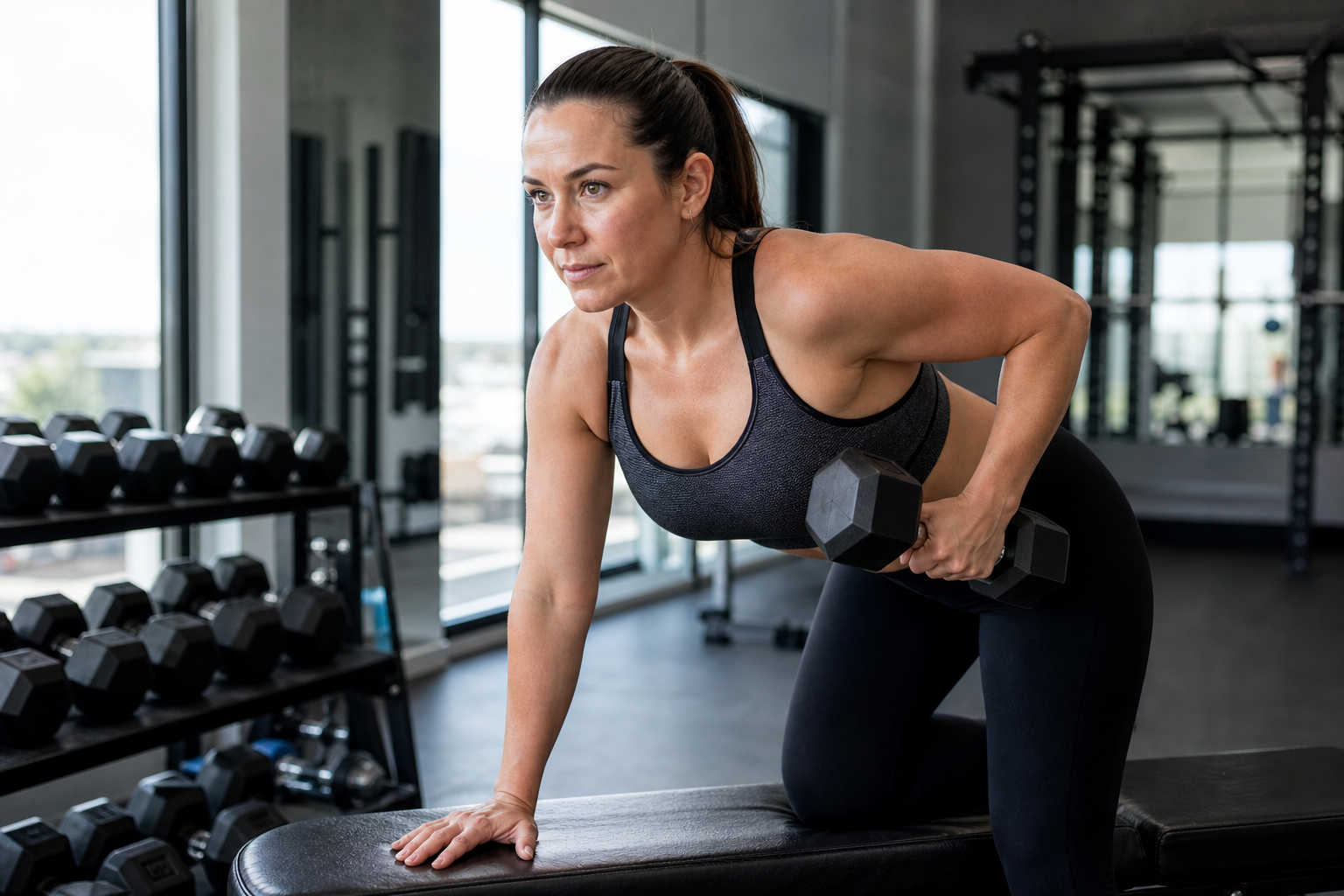
Strength training is one of the most practical ways to improve loose skin appearance. Muscle does not literally tighten skin, but it fills out tissue underneath and creates a firmer shape. Training your shoulders, arms, chest, back, glutes, legs, and core can make loose areas look smoother and more supported.
For best results, aim for 2 to 4 resistance training sessions per week. Use progressive overload, meaning gradually increase weight, reps, or difficulty. Compound exercises like squats, rows, deadlifts, presses, lunges, and push-ups can help improve overall body composition.
Eat enough protein
Protein supports collagen formation, muscle repair, and skin health. Many active adults target roughly 0.7 to 1 gram of protein per pound of goal body weight per day, though needs vary by health status and activity level. Good options include lean meat, fish, eggs, Greek yogurt, tofu, beans, lentils, and protein powders if needed.
Support collagen production
Collagen supplements may modestly improve skin elasticity in some people, but they are not a guaranteed fix for excess skin. Nutrients that support collagen include vitamin C, zinc, copper, and amino acids from protein. Citrus, berries, bell peppers, leafy greens, seafood, nuts, seeds, and lean proteins can all help.
Stay hydrated, but keep expectations realistic
Hydration can improve skin texture and plumpness, but drinking more water will not remove large folds of loose skin. A realistic goal is pale-yellow urine most of the day, more fluids during exercise, and enough electrolytes if you sweat heavily.
Use topical products wisely
Retinoids, moisturizers, peptides, and body lotions can improve surface texture and dryness. Prescription retinoids may help collagen in some areas, especially sun-damaged skin, but they cannot dramatically shrink large amounts of excess skin. Products help skin quality; they do not replace time, muscle, or procedures.
Can Fasting, Supplements, or Creams Tighten Loose Skin?
Online claims about fasting, detox teas, collagen powders, and tightening creams often sound more powerful than evidence supports. Some habits may support skin health indirectly, but no supplement can reliably tighten severe loose skin after major weight loss. Be cautious with products promising surgery-like results.
Intermittent fasting may help some people manage calories, but evidence that it directly removes loose skin is weak. Collagen peptides may improve hydration and elasticity modestly. Caffeine creams may temporarily firm skin through fluid shifts. None of these remove significant excess skin from the abdomen, arms, or thighs.
Non-Surgical Skin Tightening Options
If natural tightening is not enough, non-surgical treatments may help mild to moderate laxity. Popular options in the US include radiofrequency, ultrasound skin tightening, microneedling with radiofrequency, laser treatments, and injectable biostimulators. Results vary and usually require several sessions.
These treatments work by heating or stimulating deeper layers of skin to encourage collagen remodeling. They may improve firmness, texture, and mild sagging, but they cannot remove large hanging folds. Cost depends on body area, provider, location, and number of sessions. In many cities, a treatment series can range from several hundred to several thousand dollars.
When non-surgical treatments make sense
-
You have mild to moderate skin laxity.
-
You are near stable goal weight.
-
You want gradual improvement, not instant change.
-
You do not have heavy overhanging skin folds.
-
You understand multiple sessions may be needed.
When Surgery Becomes Realistic Option
For severe excess skin, body contouring surgery may be the only way to remove it. Common procedures include tummy tuck, lower body lift, arm lift, thigh lift, breast lift, and neck lift. These procedures remove extra skin and reshape tissue. They involve recovery time, scars, cost, and medical risk, so they require consultation with a board-certified plastic surgeon.
Most surgeons prefer patients to maintain a stable weight for at least 6 to 12 months before surgery. This lowers the risk of new looseness after more weight change. People who had bariatric surgery may need medical clearance and nutrition labs before elective body contouring.
Timeline by Situation

Related context illustration
After losing 20 to 40 pounds
Loose skin is often mild. Many people see improvement within 3 to 12 months, especially with strength training and stable weight. Skin may not look exactly like it did before weight gain, but visible sagging is often limited.
After losing 50 to 80 pounds
Expect 6 to 24 months for natural tightening. Some areas may improve a lot, while abdomen or arms may remain loose. Building muscle and maintaining weight are important during this period.
After losing 100 pounds or more
Natural improvement can still happen, but full tightening is unlikely for many people. Overhanging abdominal skin, thigh folds, or arm skin may persist. Medical consultation may be helpful if skin causes rashes, hygiene issues, pain, or mobility problems.
After pregnancy
Postpartum skin tightening often takes 6 to 12 months, sometimes longer. Hormonal changes, breastfeeding, abdominal separation, weight changes, and sleep disruption all affect recovery. Core rehab and medical guidance can help, especially if diastasis recti is present.
When to Talk to Doctor
Loose skin is usually not dangerous, but it can cause practical problems. See a healthcare provider if skin folds cause recurring rashes, infections, odor, sores, bleeding, back pain, or exercise limitations. Documentation may matter if you are exploring insurance coverage for medically necessary skin removal, though cosmetic procedures are often not covered.
You should also talk with a clinician before taking high-dose supplements, using prescription retinoids, starting aggressive fasting, or considering procedures. Skin health connects with nutrition, hormones, medications, and overall health.
Realistic Expectations: What Most People Can Control
You cannot control age, genetics, or past skin stretching. You can control weight stability, strength training, protein intake, sleep, sun protection, smoking status, and patience. These basics give skin its best chance to tighten naturally and improve how your body looks and feels.
If you are still losing weight, focus first on sustainable fat loss and muscle preservation. If you are at goal weight, give your skin time. Take progress photos every 8 to 12 weeks instead of checking daily. Loose skin changes slowly, and daily mirror checks can make progress harder to notice.
Conclusion
So, how long does loose skin take to tighten? Most mild to moderate loose skin needs 6 to 24 months to show its best natural improvement. Small amounts may tighten sooner, while severe loose skin after major weight loss may never fully retract without procedures. Best results come from stable weight, resistance training, enough protein, good skin care, sun protection, and realistic expectations. If loose skin causes discomfort or affects daily life, consult a qualified medical professional to review non-surgical and surgical options.