
Losing weight can feel life-changing, especially when you have worked hard to improve your health, energy, and confidence. But after major weight loss, many people in the U.S. face one frustrating surprise: loose or sagging skin around the belly, arms, thighs, chest, or neck. If you are searching for how to tighten loose skin after weight loss naturally, realistic expectations matter. Skin can improve, but results depend on age, genetics, how much weight you lost, how long you carried extra weight, nutrition, muscle mass, hydration, and daily habits.
Introductory illustration
Natural skin tightening is not instant. Creams, workouts, supplements, and collagen drinks cannot fully reverse severe excess skin. But many people can improve firmness, texture, and appearance with smart routines that support collagen production, muscle growth, circulation, and skin elasticity. This guide explains what works, what does not, and how to build a safe natural plan.
Why Loose Skin Happens After Weight Loss
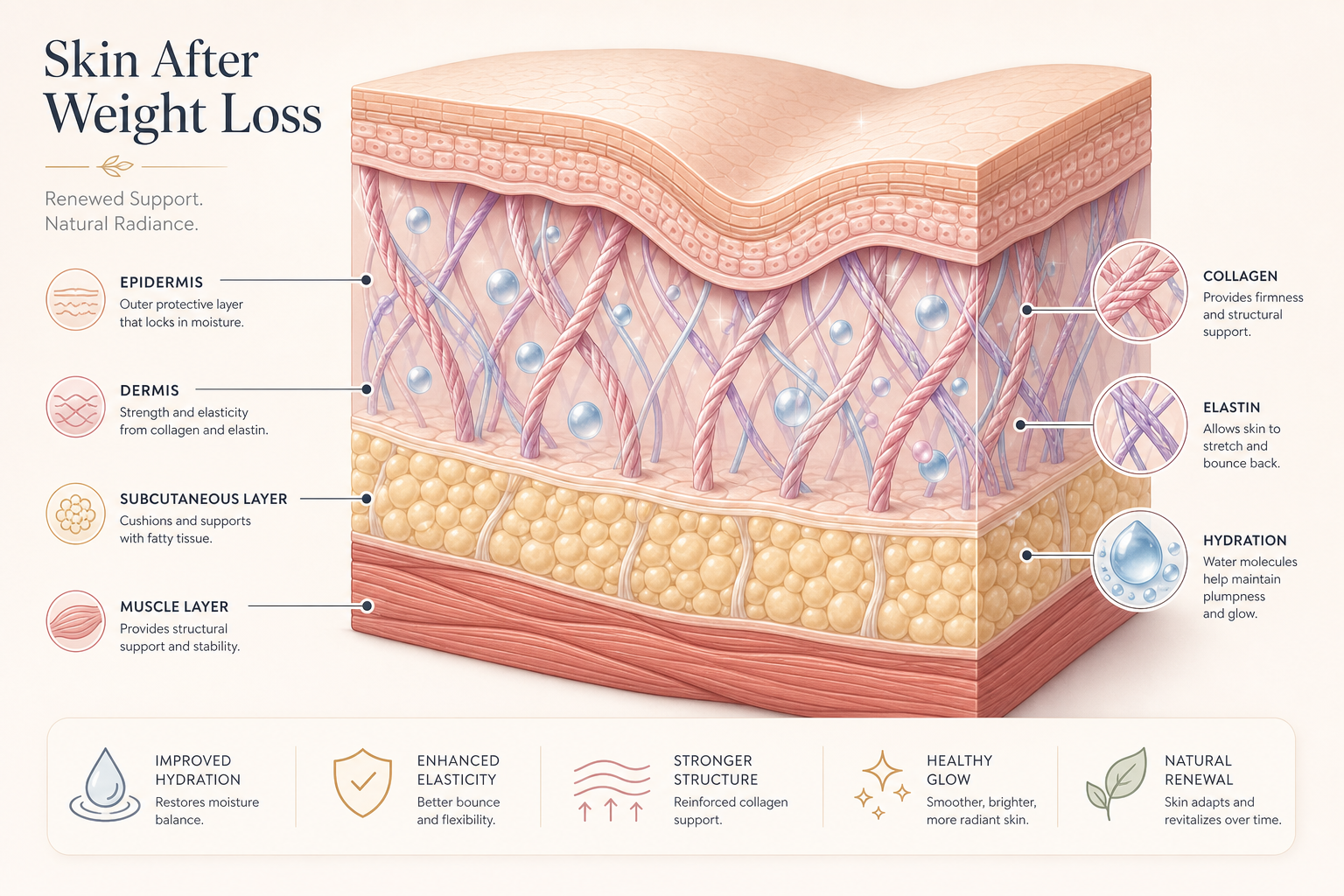
Skin is flexible, but it is not unlimited. When your body gains weight, skin stretches to cover extra fat mass. Over time, collagen and elastin fibers can become weakened. After weight loss, fat volume decreases, but skin may not fully shrink back, especially after large or rapid weight loss.
Common areas for loose skin after weight loss include the lower abdomen, upper arms, inner thighs, breasts, back, and under the chin. The amount of loose skin varies widely. Someone who loses 30 pounds slowly may see minor softness, while someone who loses 100 pounds or more may have larger folds that natural methods cannot fully remove.
Factors That Affect Skin Elasticity
- Age: Skin produces less collagen and elastin as you get older.
- Total weight lost: Larger weight loss usually creates more loose skin.
- Speed of weight loss: Rapid loss may give skin less time to adapt.
- Genetics: Some people naturally have firmer, more elastic skin.
- Sun exposure: UV damage weakens collagen and speeds skin aging.
- Smoking: Tobacco reduces blood flow and damages skin structure.
- Protein intake: Low protein can limit tissue repair and collagen support.
Can You Really Tighten Loose Skin Naturally?
Yes, to a degree. Natural methods can help mild to moderate looseness look firmer, especially when loose skin is mixed with low muscle tone or remaining body fat. Building muscle underneath the skin can create a tighter look. Better nutrition can support collagen production. Hydration and skin care can improve texture. Strength training can change body shape dramatically over several months.
However, if skin hangs in large folds, causes rashes, pain, odor, infections, or limits movement, natural methods may not be enough. In that case, talk with a board-certified dermatologist or plastic surgeon. Natural methods are valuable, but they cannot replace surgery for significant excess skin.
Natural skin tightening works best when goal is better firmness, smoother texture, improved muscle tone, and healthier skin—not perfect removal of large skin folds.
Build Muscle to Fill Out Loose Skin
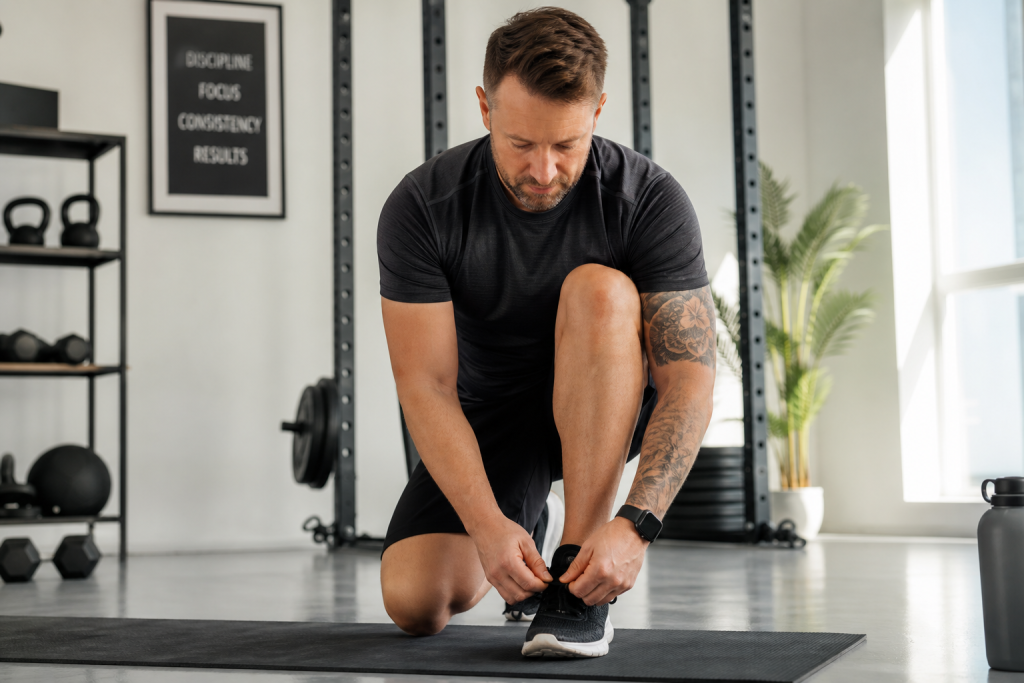
Strength training is one of the most effective natural ways to improve the appearance of loose skin after weight loss. When fat disappears, the body may look soft because there is less volume under the skin. Muscle adds shape and firmness, helping skin sit more smoothly over the body.
You do not need to become a bodybuilder. A consistent resistance training plan three to four days per week can make a visible difference over time. Focus on progressive overload, meaning you gradually increase weight, reps, sets, or difficulty as you get stronger.
Best Strength Exercises for Firmer-Looking Skin
- Loose belly skin: Squats, deadlifts, planks, cable chops, farmer carries, and leg raises.
- Loose arm skin: Push-ups, rows, overhead presses, triceps dips, biceps curls, and lat pulldowns.
- Loose thigh skin: Lunges, step-ups, Romanian deadlifts, hip thrusts, and leg presses.
- Loose chest area: Incline presses, dumbbell chest presses, push-ups, and rows for posture.
For best results, train the whole body. Spot training does not tighten skin in one exact area, but building muscle globally improves body composition and shape. Pair strength workouts with enough protein and recovery so your body can rebuild tissue.
Eat for Collagen Production and Skin Repair
Nutrition has a direct role in skin elasticity after weight loss. Your body needs amino acids, vitamins, minerals, antioxidants, and healthy fats to maintain strong skin. A crash diet or very low protein intake can make skin look thinner and less resilient.
Aim for a balanced diet built around lean protein, colorful produce, whole grains, legumes, nuts, seeds, and healthy fats. In U.S. grocery terms, simple staples like eggs, Greek yogurt, salmon, chicken breast, turkey, tofu, beans, lentils, oats, berries, spinach, sweet potatoes, avocado, and olive oil are excellent choices.
Key Nutrients for Skin Elasticity
- Protein: Provides amino acids needed for collagen and muscle repair. Good options include eggs, poultry, fish, lean beef, Greek yogurt, cottage cheese, tofu, tempeh, beans, and lentils.
- Vitamin C: Essential for collagen synthesis. Found in oranges, strawberries, bell peppers, kiwi, broccoli, and Brussels sprouts.
- Zinc: Supports wound healing and skin structure. Found in beef, pumpkin seeds, chickpeas, oysters, and dairy.
- Omega-3 fats: Help support skin barrier and reduce inflammation. Found in salmon, sardines, walnuts, chia seeds, and flaxseed.
- Vitamin A: Helps skin cell turnover. Found in sweet potatoes, carrots, spinach, kale, and eggs.
Collagen peptides may help some people improve skin hydration and elasticity, but they are not magic. If you use collagen powder, choose a third-party tested product and combine it with vitamin C-rich foods. People with kidney disease, pregnancy-related concerns, or medical conditions should ask a clinician before adding supplements.
Lose Remaining Fat Slowly and Safely

Detailed illustration
Sometimes what looks like loose skin is a mix of skin and remaining subcutaneous fat. This is common around the lower belly, upper arms, and thighs. If you still have weight to lose, slow fat loss can help your body adjust better than aggressive dieting.
A sustainable calorie deficit, regular movement, strength training, and adequate protein are better than extreme restriction. In general, losing about 0.5 to 2 pounds per week is considered realistic for many adults, though individual needs vary. Fast weight loss can increase muscle loss, making skin look looser.
Hydration Helps Skin Look Healthier
Water will not permanently shrink loose skin, but dehydration can make skin look dull, crepey, and less elastic. Proper hydration supports blood flow, cellular function, digestion, workout performance, and skin texture. Many adults do well by drinking water consistently through the day and adjusting for exercise, heat, caffeine, and sodium intake.
Look at urine color as a simple guide. Pale yellow often suggests decent hydration, while dark yellow may mean you need more fluids. Also get water from foods like cucumbers, berries, oranges, soups, salads, and yogurt.
Use Skin Care That Supports Texture and Firmness
Topical products cannot remove major loose skin, but they can improve dryness, roughness, and crepey texture. A good body skin care routine can make skin appear smoother and healthier while you work on deeper changes through exercise and nutrition.
Helpful Ingredients to Look For
- Retinol or retinal body lotion: Supports skin cell turnover and collagen over time. Start slowly to reduce irritation.
- Niacinamide: Helps skin barrier, tone, and texture.
- Hyaluronic acid: Improves hydration and plump appearance.
- Ceramides: Support skin barrier and reduce dryness.
- Alpha hydroxy acids: Exfoliate rough skin and improve smoothness.
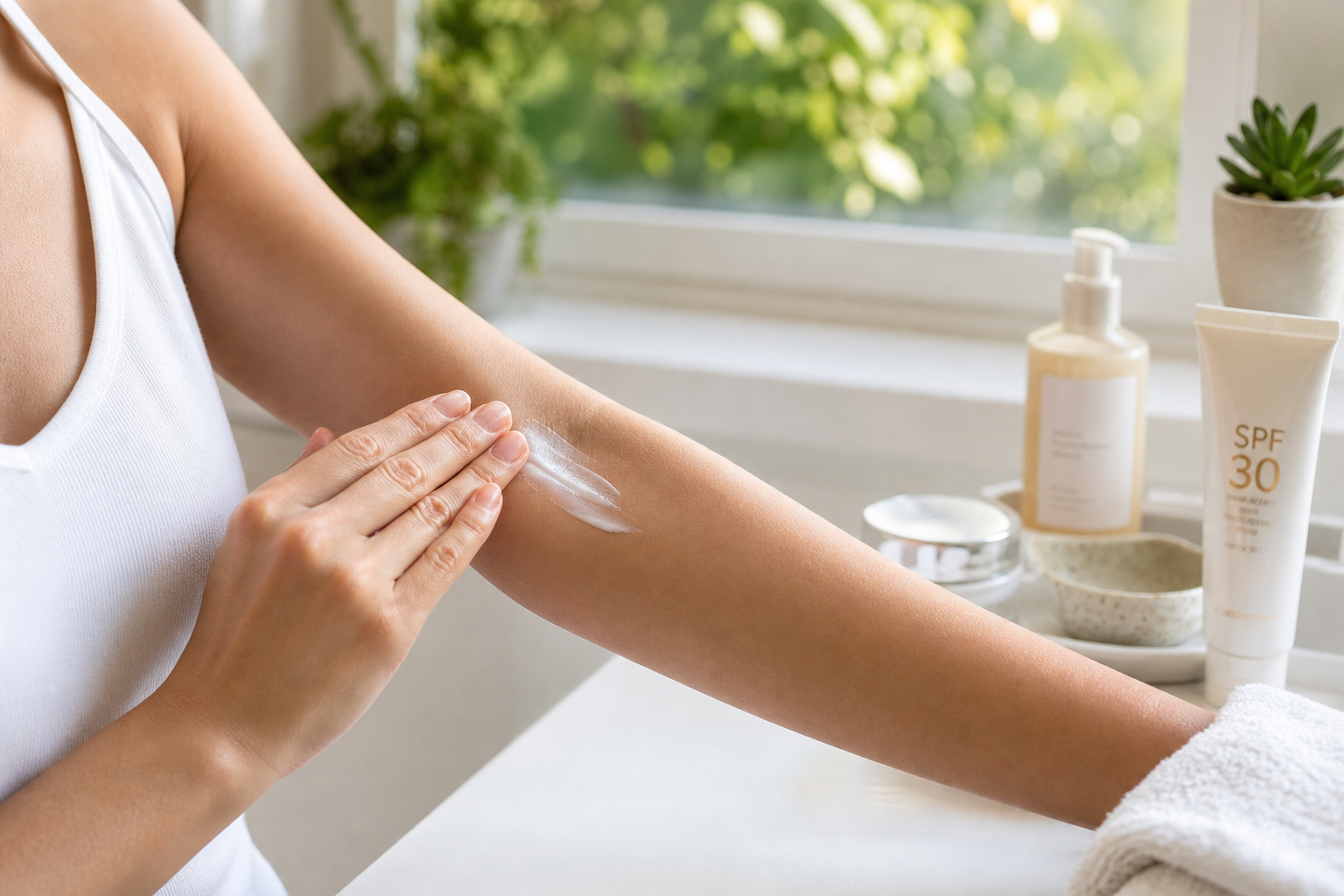
Use sunscreen on exposed areas every day. Sun damage breaks down collagen, making loose skin and wrinkles look worse. For arms, neck, chest, and legs, a broad-spectrum SPF 30 or higher is a smart daily habit, especially if you walk, run, garden, or spend time outdoors.
Massage, Dry Brushing, and Circulation
Massage and dry brushing are popular natural methods for loose skin. They will not dramatically tighten skin, but they may temporarily improve circulation, reduce puffiness, and make skin feel smoother. Massage can also help you connect with your body after weight loss, which matters emotionally.
If you try dry brushing, use light pressure and avoid irritated skin, eczema, wounds, or sunburn. For massage, use body oil or lotion and gentle upward strokes. Consistency matters more than pressure. Pain, bruising, or redness means you are overdoing it.
Sleep and Stress Control Matter More Than People Think
Related context illustration
Skin repair happens partly during sleep. Poor sleep can disrupt hormones, appetite, recovery, inflammation, and workout performance. Chronic stress can also affect skin through cortisol and lifestyle habits like overeating, skipping workouts, or neglecting meals.
Try to keep a regular sleep schedule, limit late-night alcohol, reduce screen time before bed, and create a cool, dark bedroom. Stress tools like walking, therapy, journaling, breathing exercises, yoga, or time outdoors can support both weight maintenance and skin health.
Natural Methods That Are Overhyped
The internet is full of claims about tightening loose skin fast. Be cautious. Many products rely on before-and-after photos, lighting tricks, dehydration, or paid testimonials. Natural does not always mean effective.
- Detox teas: Do not tighten skin and may cause dehydration or digestive issues.
- Waist trainers: Temporarily compress the body but do not remove loose skin.
- Firming creams alone: May improve texture but rarely change significant sagging.
- Extreme fasting: May worsen muscle loss and make skin look softer.
- Spot reduction workouts: Cannot burn fat from one exact area.
Good results come from boring but powerful basics: strength training, protein, slow fat loss, hydration, sleep, sunscreen, and patience.
When to Consider Medical Advice
If loose skin causes physical discomfort, repeated rashes, skin infections, chafing, hygiene problems, or back pain, speak with a healthcare professional. Documentation from a doctor may matter if you seek insurance coverage for procedures like panniculectomy after major weight loss, though coverage rules vary by insurance plan in the U.S.
Non-surgical treatments such as radiofrequency, ultrasound therapy, microneedling with radiofrequency, and laser treatments may help mild to moderate laxity, but they are not purely natural and results vary. Surgery, such as tummy tuck, arm lift, thigh lift, or body lift, is the most definitive option for large amounts of excess skin.
Simple 12-Week Natural Skin-Firming Plan
A structured plan helps you stay consistent. Use this as a realistic starting point and adjust based on fitness level, medical needs, and schedule.
- Strength train 3 days per week: Full-body workouts with squats, hinges, pushes, pulls, and core work.
- Eat protein at each meal: Include eggs, fish, chicken, Greek yogurt, tofu, beans, or lean meat.
- Add vitamin C daily: Eat citrus, berries, peppers, broccoli, or kiwi.
- Hydrate consistently: Drink water through day and increase intake around workouts.
- Use body moisturizer daily: Choose ceramides, hyaluronic acid, niacinamide, or retinol if tolerated.
- Apply sunscreen: Protect exposed skin with SPF 30 or higher.
- Walk most days: Aim for regular low-impact movement to support circulation and weight maintenance.
- Sleep 7 to 9 hours: Prioritize recovery and stress control.
Take photos every four weeks in same lighting and posture. Daily mirror checks can hide progress because changes are gradual. Track strength gains, energy, skin texture, and how clothes fit—not only scale weight.
Bottom Line
Learning how to tighten loose skin after weight loss naturally starts with realistic expectations. You cannot force skin to snap back overnight, and severe excess skin may need medical treatment. But you can improve firmness, shape, and texture by building muscle, eating enough protein, supporting collagen production, staying hydrated, protecting skin from sun, and giving your body time.
Natural skin tightening is less about one miracle product and more about consistent habits. If your loose skin is mild to moderate, these steps can make a meaningful visible difference. If your skin causes pain, rashes, or major discomfort, professional care is not failure—it is part of protecting health after major weight loss.