
For many women, gaining weight can be as challenging as losing weight. A fast metabolism, low appetite, stress, medical conditions, or recovery from illness can make it difficult to eat enough calories consistently. The healthiest approach is not to rely on junk food or sugary snacks, but to build a steady plan that increases calories, supports muscle growth, and protects long-term health.
Introductory illustration
If you are underweight, have a body mass index below 18.5, have missed periods, feel weak, or are losing weight without trying, speak with a healthcare professional before making major diet or exercise changes. Healthy weight gain should improve energy, strength, menstrual health, bone support, and overall well-being.
Why Healthy Weight Gain Matters for Women
Being underweight can affect more than appearance. Women who do not get enough calories, protein, vitamins, and minerals may experience low energy, reduced muscle mass, brittle hair and nails, dry skin, weakened immunity, irregular or absent periods, and lower bone density. Over time, this can raise the risk of injuries, hormonal disruption, and nutrient deficiencies.
Healthy weight gain focuses on adding lean mass and nourishing the body. That means eating more total calories while choosing foods rich in protein, healthy fats, complex carbohydrates, fiber, calcium, iron, zinc, vitamin D, and B vitamins. The goal is not only a higher number on the scale, but also better strength, better appetite, and better daily function.
Start With a Realistic Calorie Surplus
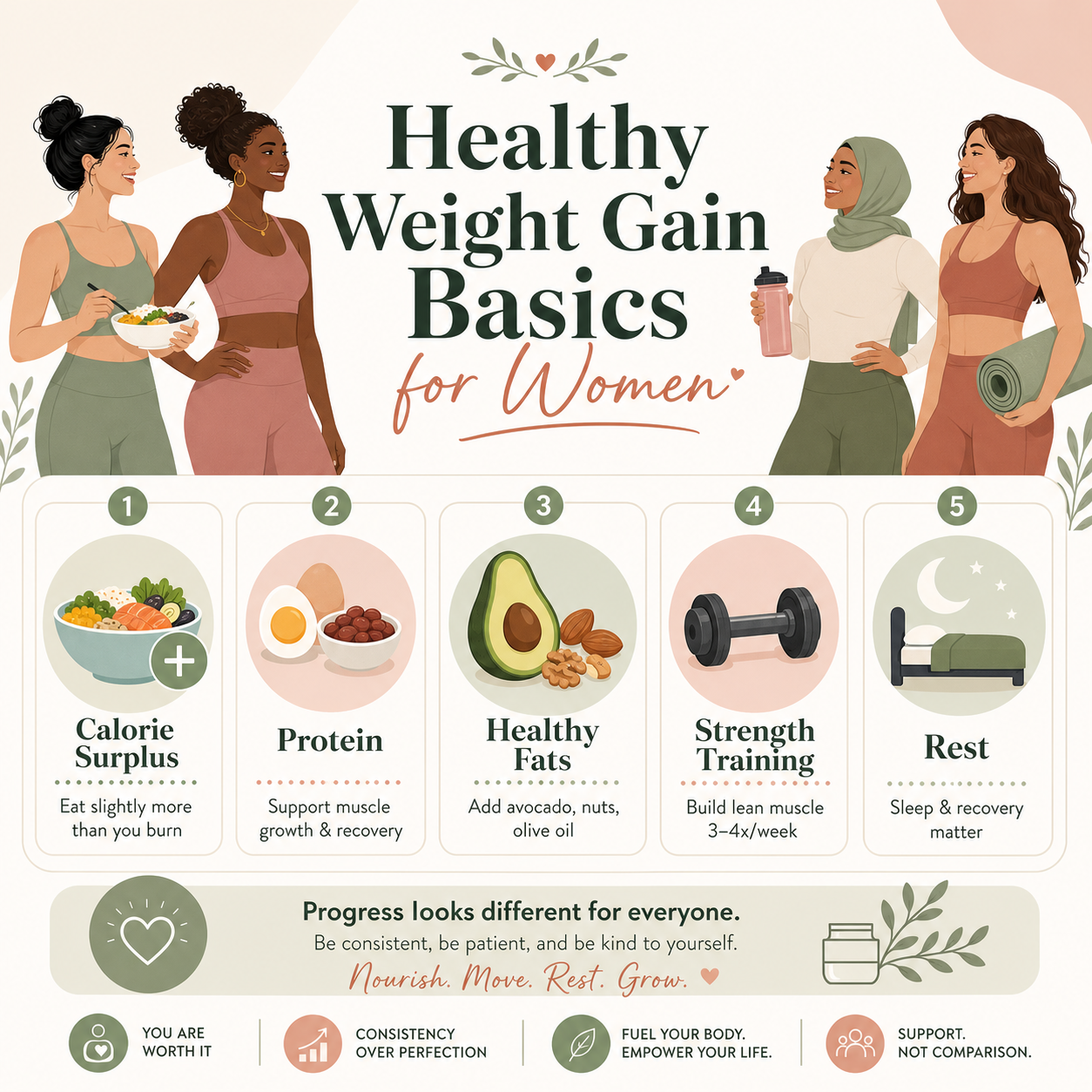
The core principle of weight gain is simple: you need to consume more calories than your body burns. For many women, adding about 300 to 500 extra calories per day is enough to begin gaining weight gradually. A surplus near 500 calories per day may lead to roughly 1 pound per week for some people, though results vary based on metabolism, activity level, digestion, and hormones.
Do not force a huge increase overnight. Sudden overeating can cause bloating, nausea, and discomfort. Instead, add calories in small ways: a spoonful of peanut butter with breakfast, olive oil on vegetables, a smoothie between meals, or full-fat Greek yogurt before bed. Small additions are easier to sustain than giant meals.
Easy Ways to Add 300 to 500 Calories
-
Add 2 tablespoons of peanut butter to toast, oatmeal, or smoothies.
-
Drink a glass of whole milk or fortified soy milk with a meal.
-
Top rice bowls, salads, or pasta with olive oil and avocado.
-
Eat trail mix with nuts, seeds, and dried fruit as a snack.
-
Add cheese, hummus, tahini, or pesto to sandwiches and wraps.
Choose Calorie-Dense Foods That Still Nourish You
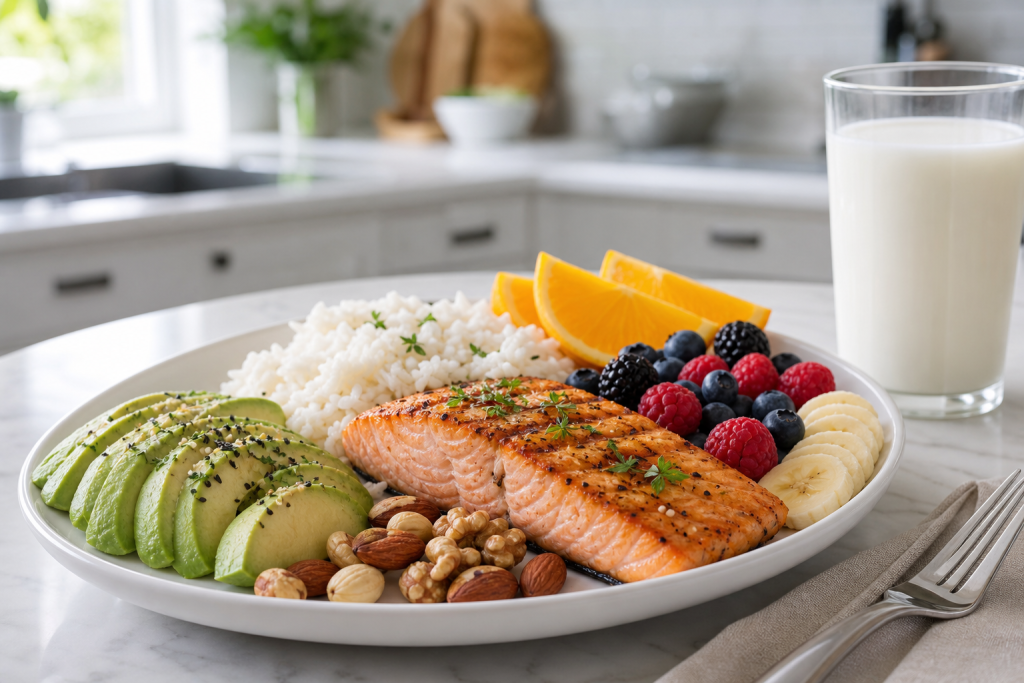
Calorie-dense foods help you gain weight without needing to eat uncomfortable portions. The best choices provide energy along with nutrients your body needs. Nuts, seeds, nut butters, avocados, olive oil, whole grains, dairy products, eggs, fatty fish, lean meats, beans, lentils, potatoes, and dried fruit are all useful foods to gain weight.
Healthy fats are especially helpful because they provide more calories per gram than carbohydrates or protein. Add olive oil to roasted vegetables, avocado to tacos, walnuts to oatmeal, or tahini to grain bowls. These foods support hormone production and help meals feel more satisfying.
Protein matters because it supports muscle repair and growth. Without enough protein and strength training, much of gained weight may come from body fat rather than lean tissue. Good protein sources include eggs, chicken, turkey, salmon, tuna, Greek yogurt, cottage cheese, tofu, tempeh, beans, lentils, protein shakes, and lean beef.
Build Meals Around Protein, Carbs, and Fat
Detailed illustration
A balanced weight gain meal should include protein, carbohydrates, and fat. Carbohydrates provide training fuel and quick energy. Protein helps build and maintain muscle. Fat increases calories and supports hormones. Combining all three makes meals more effective and easier to repeat.
Balanced Meal Examples
-
Breakfast: oatmeal cooked with whole milk, topped with banana, peanut butter, chia seeds, and honey.
-
Lunch: turkey and avocado sandwich on whole grain bread with cheese, olive oil dressing, and fruit.
-
Dinner: salmon, rice, roasted sweet potatoes, vegetables, and olive oil or tahini sauce.
-
Snack: Greek yogurt with granola, walnuts, berries, and maple syrup.
-
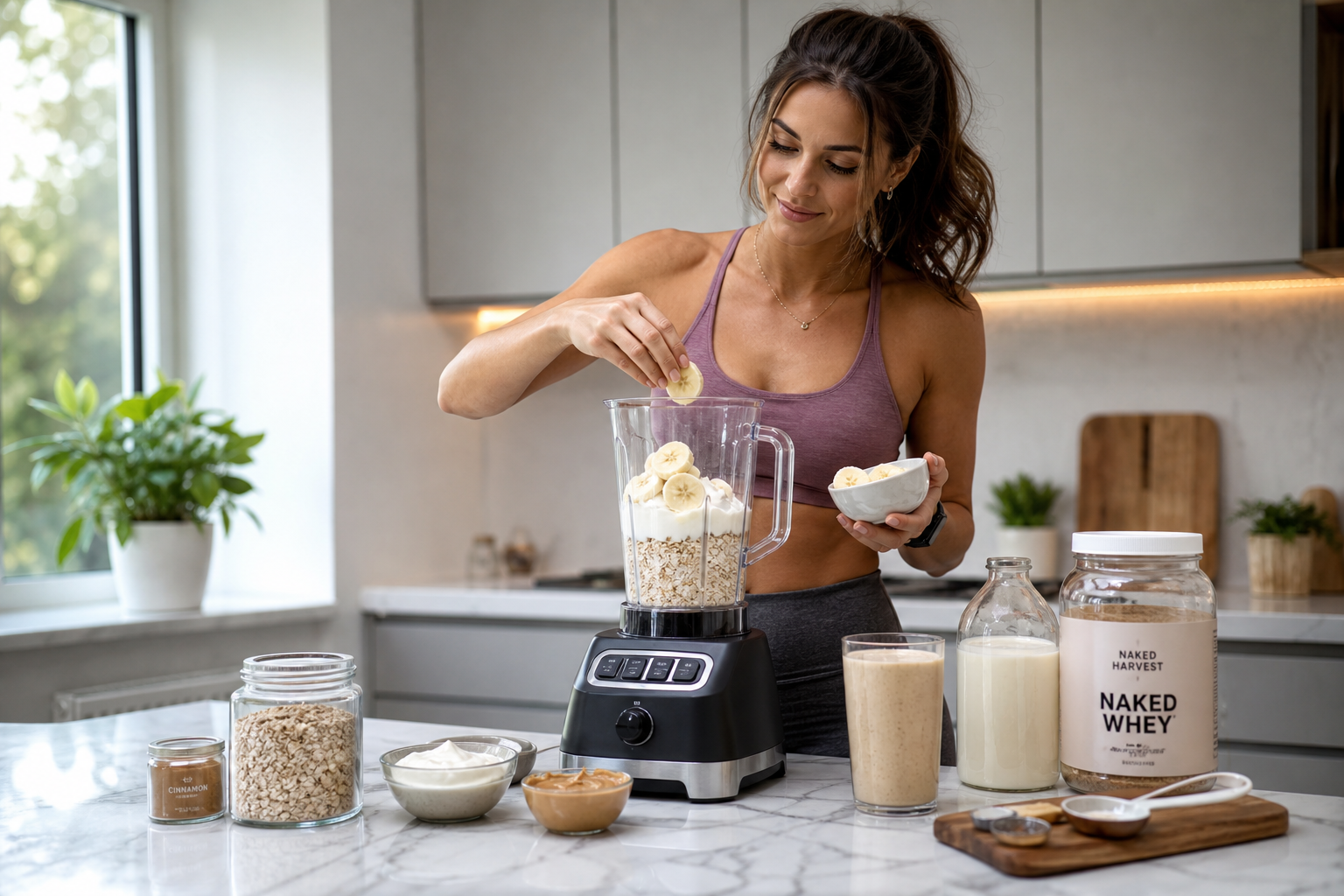
Post-workout: protein smoothie with milk, protein powder, oats, banana, and almond butter.
Eat More Often If Large Meals Feel Hard
Many women who struggle to gain weight do not have a large appetite. If three big meals feel overwhelming, try five or six smaller eating times. This could mean breakfast, snack, lunch, smoothie, dinner, and evening snack. More frequent meals make it easier to increase calorie intake without feeling overly full.
Keep convenient foods available at home, work, or school. Trail mix, protein bars, string cheese, boiled eggs, granola, tuna packets, crackers, bananas, and yogurt cups can prevent missed meals. Skipping meals makes weight gain much harder, especially for women with active jobs, busy schedules, or naturally high calorie needs.
Use High-Calorie Drinks Wisely
Drinking calories can be easier than chewing extra food. Smoothies, milk, meal replacement drinks, and protein shakes can help close calorie gaps. This is especially useful after workouts, during busy mornings, or when appetite is low.
A simple weight gain smoothie can include whole milk or soy milk, banana, oats, peanut butter, Greek yogurt, and protein powder. This can provide protein, carbohydrates, fats, calcium, and calories in one easy drink. If dairy does not work for you, use lactose-free milk, soy milk, pea protein, or other fortified alternatives.
Be careful with relying on soda, candy-like coffee drinks, and sugary beverages. They can add calories, but they do not provide enough protein or micronutrients for healthy weight gain. Use them as occasional treats, not as the foundation of your plan.
Strength Training Helps Turn Calories Into Muscle
Strength training is one of the best tools for healthy weight gain. Lifting weights or doing resistance exercises signals the body to use extra calories for muscle repair and growth. This can help shape your body, improve posture, support bones, and increase strength.
Focus on compound exercises such as squats, deadlifts, lunges, hip thrusts, rows, push-ups, overhead presses, and bench presses. Beginners can start with two to three strength sessions per week, using machines, dumbbells, resistance bands, or bodyweight exercises. Gradually increase weight, repetitions, or sets over time.
Cardio is still valuable for heart health, mood, and appetite, but too much intense cardio can make it harder to maintain a calorie surplus. If weight gain is your priority, keep cardio moderate and make sure you eat enough to replace the calories you burn.
Simple Weekly Training Structure
-
Day 1: lower body strength, including squats, lunges, and glute bridges.
-
Day 2: rest or light walking.
-
Day 3: upper body strength, including rows, presses, and push-ups.
-
Day 4: rest or gentle mobility work.
-
Day 5: full-body strength with hip hinges, carries, and core work.
Track Progress Without Obsessing

Related context illustration
A food journal can help you understand whether you are eating enough. Track meals, snacks, drinks, workouts, and weekly weight changes. You do not need to count every calorie forever, but tracking for two to four weeks can reveal patterns. You may discover that you skip breakfast, eat too little protein, or burn more calories than expected.
Weigh yourself once or twice per week under similar conditions, such as in the morning after using the bathroom. Daily weight can fluctuate due to water, digestion, hormones, and menstrual cycle changes. Weekly trends are more useful than single numbers.
If your weight does not change after two to three weeks, add another 150 to 250 calories per day. If you gain too quickly and feel uncomfortable, reduce slightly. Healthy weight gain is adjustable, not all-or-nothing.
Support Appetite, Digestion, and Recovery
Lifestyle habits influence weight gain. Poor sleep, high stress, smoking, and irregular routines can reduce appetite and make meals harder to manage. Aim for consistent sleep, regular meal timing, stress relief, and recovery days between hard workouts.
Stress can suppress hunger for some women. Gentle walks, yoga, journaling, therapy, breathing exercises, or quiet evening routines may help regulate appetite. Eating with friends or family can also make meals more enjoyable and easier to finish.
If you smoke or vape nicotine, know that nicotine can suppress appetite. Quitting can support both weight gain and long-term health. If quitting feels difficult, ask a healthcare professional about evidence-based support options.
When to See a Doctor or Dietitian
Unexplained weight loss, persistent low appetite, digestive pain, frequent diarrhea, vomiting, missed periods, fatigue, hair loss, or feeling cold often should not be ignored. These symptoms may be linked to thyroid disease, gastrointestinal conditions, eating disorders, diabetes, infections, medication effects, or other medical issues.
A registered dietitian can help create a personalized weight gain plan based on your body size, activity level, food preferences, budget, and health history. This can be especially helpful for athletes, pregnant women, women recovering from illness, or anyone with food allergies or digestive conditions.
Healthy weight gain works best when it is steady, nourishing, and paired with strength training. More calories matter, but food quality, consistency, and recovery matter too.
Conclusion
Learning how to gain weight for women starts with a sustainable calorie surplus, nutrient-rich foods, enough protein, and regular strength training. Add calories gradually through healthy fats, balanced meals, snacks, smoothies, and consistent eating habits. Track progress, adjust when needed, and prioritize health over speed. With patience and a realistic plan, weight gain can support stronger muscles, better energy, improved confidence, and long-term wellness.