
Armpit sweating is normal, but excessive underarm sweat can make everyday life uncomfortable. Wet marks on shirts, odor, irritation, and constant worry about lifting your arms can affect work, school, workouts, dates, and social events. The good news: most people can reduce armpit sweat with better antiperspirant habits, smarter clothing choices, hygiene changes, and, when needed, medical treatment.
Introductory illustration
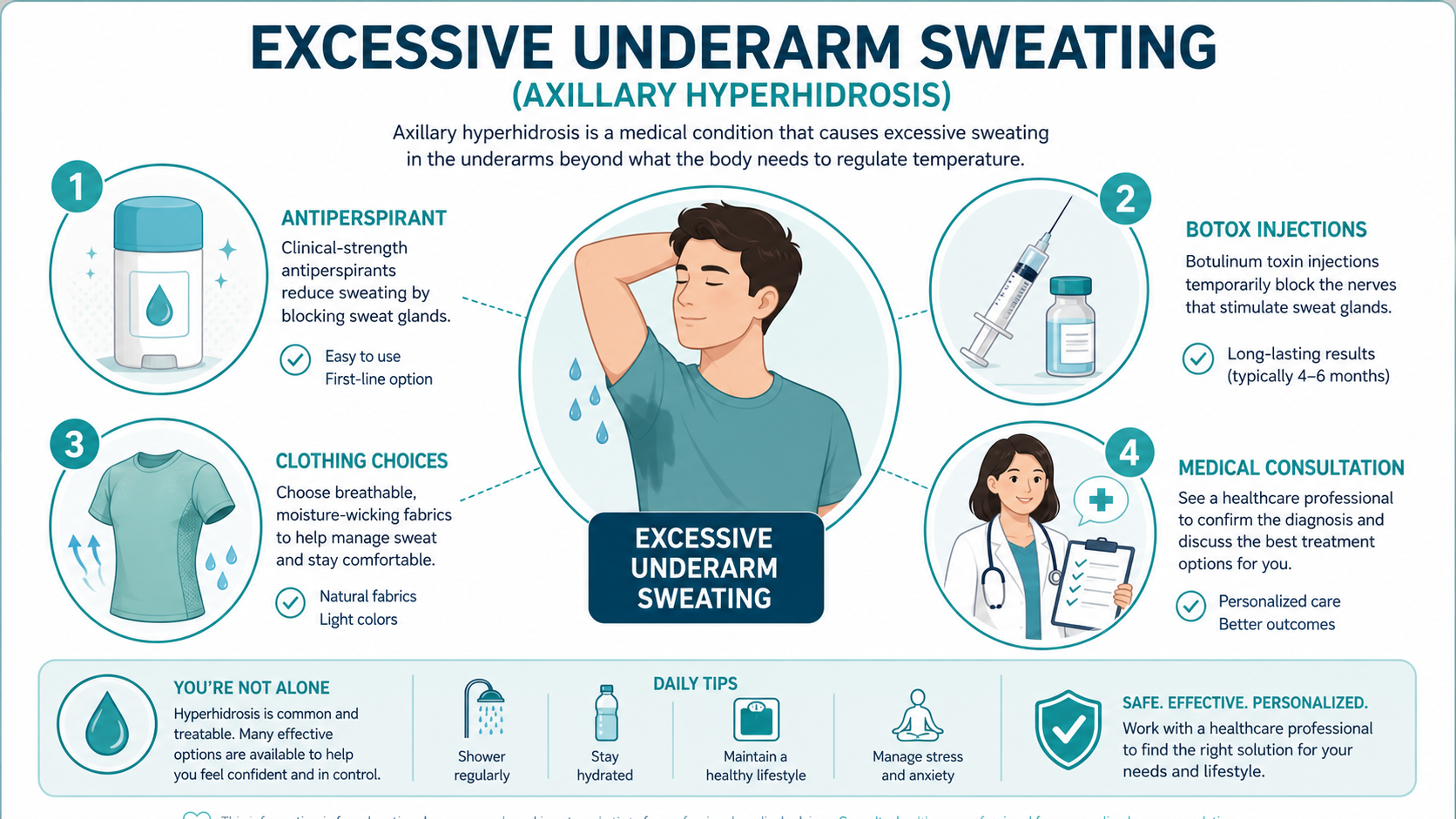
This guide explains how to stop armpit sweating with realistic steps used by many people in the United States. It also covers when sweaty armpits may be a sign of axillary hyperhidrosis, which is excessive underarm sweating that goes beyond normal cooling.
Why Armpits Sweat So Much
Sweat helps regulate body temperature. When your body gets hot, stressed, active, or stimulated by certain foods and drinks, sweat glands release moisture onto skin. As sweat evaporates, it helps cool you down.
Armpits often feel sweatier than other areas because underarms contain many sweat glands, stay warm, and have limited airflow. Sweat itself is usually not what smells. Odor develops when bacteria on skin break down sweat and oils. This is why a person can have wet underarms without strong body odor, or strong odor without heavy sweat stains.
Normal Sweat vs. Excessive Sweating
Normal sweating happens during exercise, hot weather, anxiety, fever, or after spicy food. Excessive sweating may happen even when you are cool, calm, and not physically active. If sweat soaks clothing, disrupts daily routines, or causes major embarrassment, it may be hyperhidrosis.
Primary hyperhidrosis often starts in childhood, teenage years, or early adulthood and usually affects specific areas such as underarms, palms, soles, or face. Secondary sweating can be linked to medications, thyroid problems, infections, menopause, diabetes, or other health issues. New, sudden, or night sweats deserve medical attention.
Use Antiperspirant Correctly
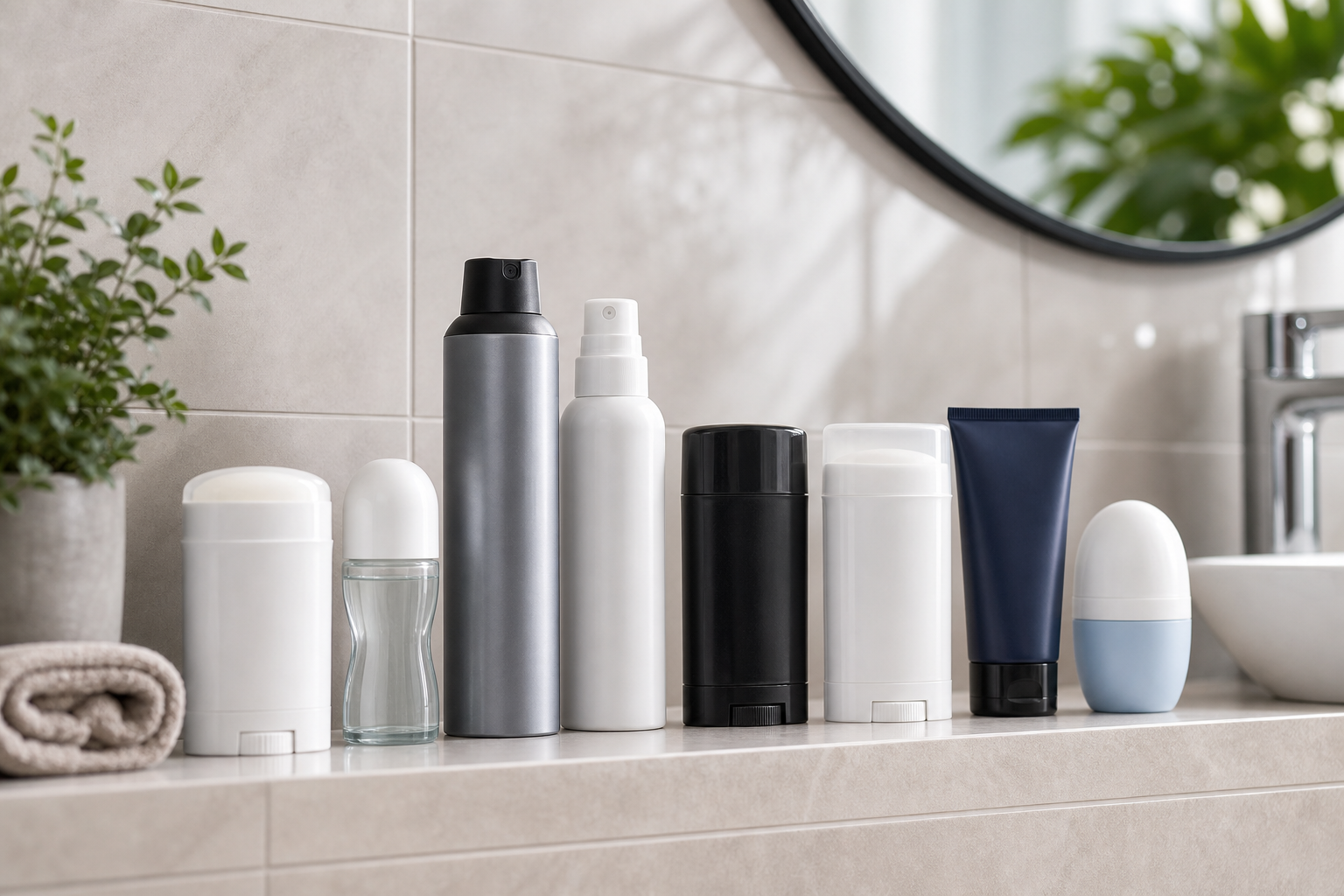
For most people, antiperspirant is the first and most effective nonmedical step. Deodorant and antiperspirant are not the same. Deodorant helps control odor. Antiperspirant helps reduce sweat by temporarily blocking sweat ducts, commonly with aluminum-based active ingredients.
If your main concern is wet marks, choose an antiperspirant, not only a deodorant. If you deal with both odor and moisture, use a product labeled as both deodorant and antiperspirant.
Apply at Night for Better Results
Many people apply antiperspirant in the morning, but nighttime use often works better. Sweat glands are less active while you sleep, so active ingredients have more time to settle into ducts before daytime sweating begins.
-
Wash underarms and dry skin completely.
-
Apply a thin, even layer of antiperspirant before bed.
-
Let it dry before wearing a shirt.
-
Shower in the morning if desired; protection can still remain.
Avoid applying antiperspirant over already sweaty skin. Moisture can dilute product and reduce performance. If you are sweating, wash, dry, cool down, then apply.
Try Clinical Strength Formulas
If regular products fail, clinical strength antiperspirants may help. Many contain stronger aluminum compounds, including aluminum chloride or aluminum zirconium ingredients. Some people use them nightly for a week, then a few times per week for maintenance, depending on label directions and skin tolerance.
Stinging, itching, or irritation can happen, especially after shaving. To reduce irritation, avoid applying immediately after shaving, use only on dry skin, and stop if rash or burning develops.
Improve Hygiene Without Overwashing
Clean skin helps reduce odor, but scrubbing too hard can irritate underarms and make products sting. Wash armpits daily with mild soap or body wash. After exercise or heavy sweating, rinse or wipe underarms and change into clean clothing when possible.
Antibacterial washes can help some people with stubborn underarm odor, but they are not always needed. If odor persists despite good hygiene, clean clothes, and deodorant, a dermatologist can check for bacterial overgrowth, skin conditions, or product reactions.
Dry Skin Matters
Underarms that stay damp are more likely to smell, chafe, and stain clothing. After showering, dry underarms fully before dressing. In humid weather, wait a few minutes before putting on tight clothing. A cool setting on a hair dryer can help if you are prone to sweating right after showering.
Choose Clothes That Hide or Reduce Sweat
Detailed illustration
Clothing can make armpit sweating more manageable. Breathable fabrics help sweat evaporate instead of staying trapped against skin. Cotton, moisture-wicking athletic fabrics, and looser fits often feel better than tight synthetic shirts.
Color and pattern also matter. White, black, navy, and patterned shirts often hide sweat marks better than light gray, pale blue, or bright solid colors. Undershirts can absorb moisture before it reaches your outer layer, especially at work or formal events.
Use Sweat Pads for Important Days
Disposable or washable underarm sweat pads can protect shirts during presentations, weddings, interviews, travel, or long workdays. They attach to clothing and absorb moisture before stains appear. They do not stop sweat, but they can reduce visible embarrassment.
Adjust Food, Drink, and Daily Triggers
Some foods and drinks can increase sweating or intensify body odor. You may not need to avoid them forever, but tracking triggers can help you plan better before social or professional events.
-
Spicy foods: Hot peppers contain capsaicin, which can make your body react as if it is overheated.
-
Caffeine: Coffee, energy drinks, and some teas can stimulate sweat response in sensitive people.
-
Alcohol: Alcohol may widen blood vessels and increase sweating.
-
Garlic and onions: These can affect sweat odor after digestion.
-
Cruciferous vegetables: Broccoli, cabbage, and similar foods may change body odor for some people.
Hydration also matters. Drinking enough water helps regulate temperature. Dehydration can make your body work harder during heat or exercise.
Manage Stress Sweating
Stress sweat can feel different from heat sweat. It often appears quickly before meetings, exams, first dates, performances, or uncomfortable conversations. Underarm sweat glands respond to adrenaline, so calming your nervous system can reduce sudden sweating episodes.
Useful strategies include slow breathing, short walks, regular exercise, better sleep, and reducing last-minute rushing. If anxiety triggers severe sweating, treating anxiety itself may improve sweat control.
Consider Shaving or Trimming Underarm Hair
Related context illustration
Shaving does not stop sweat glands from producing sweat. However, less hair can reduce trapped moisture and may make deodorant or antiperspirant easier to apply evenly. Trimming can be a good middle option for people who do not want to shave completely.
If shaving causes irritation, bumps, or ingrown hairs, use a clean razor, shave with gentle pressure, and avoid strong antiperspirant right after shaving. Irritated skin often sweats, burns, or smells worse because products become harder to tolerate.
When Home Care Is Not Enough
If you have tried strong antiperspirant, clean clothing, trigger control, and better application habits but still soak through shirts, talk with a dermatologist or primary care clinician. Excessive underarm sweating is treatable, and many options are available in the U.S.
Prescription Antiperspirants
Doctors may recommend prescription-strength aluminum chloride products. These are often applied at night and washed off in the morning. They can be effective but may irritate sensitive skin, so instructions matter.
Oral Medications
Anticholinergic medications can reduce sweating in some patients. They may cause dry mouth, constipation, blurry vision, urinary issues, or overheating risk. They are not right for everyone, especially people with certain medical conditions or heat exposure.
Botox for Underarm Sweating
Botox injections are FDA-approved for severe primary axillary hyperhidrosis. Treatment blocks nerve signals that activate sweat glands. Results often last several months, commonly around four to six months, though timing varies. Injections can be uncomfortable and may be expensive if insurance does not cover them.
Iontophoresis and Energy-Based Treatments
Iontophoresis uses a mild electrical current to reduce sweat gland activity. It is more common for hands and feet but may be used for underarms with special attachments. Some dermatology offices also offer microwave or radiofrequency treatments designed to reduce sweat glands in the underarm area.
Surgery as Last Resort
Surgical options exist for severe cases that do not respond to other treatments. Procedures may target sweat glands directly or interrupt nerve signals. Surgery can work, but risks include scarring, nerve problems, and compensatory sweating, where other body areas sweat more. It should be considered only after careful medical discussion.
When to See a Doctor Quickly
Most armpit sweating is not dangerous. Still, get medical care if sweating starts suddenly, happens mostly at night, comes with fever or weight loss, includes chest pain or shortness of breath, or begins after starting a new medication. These signs may point to an underlying health issue rather than ordinary underarm sweat.
Best Practical Routine to Stop Armpit Sweating
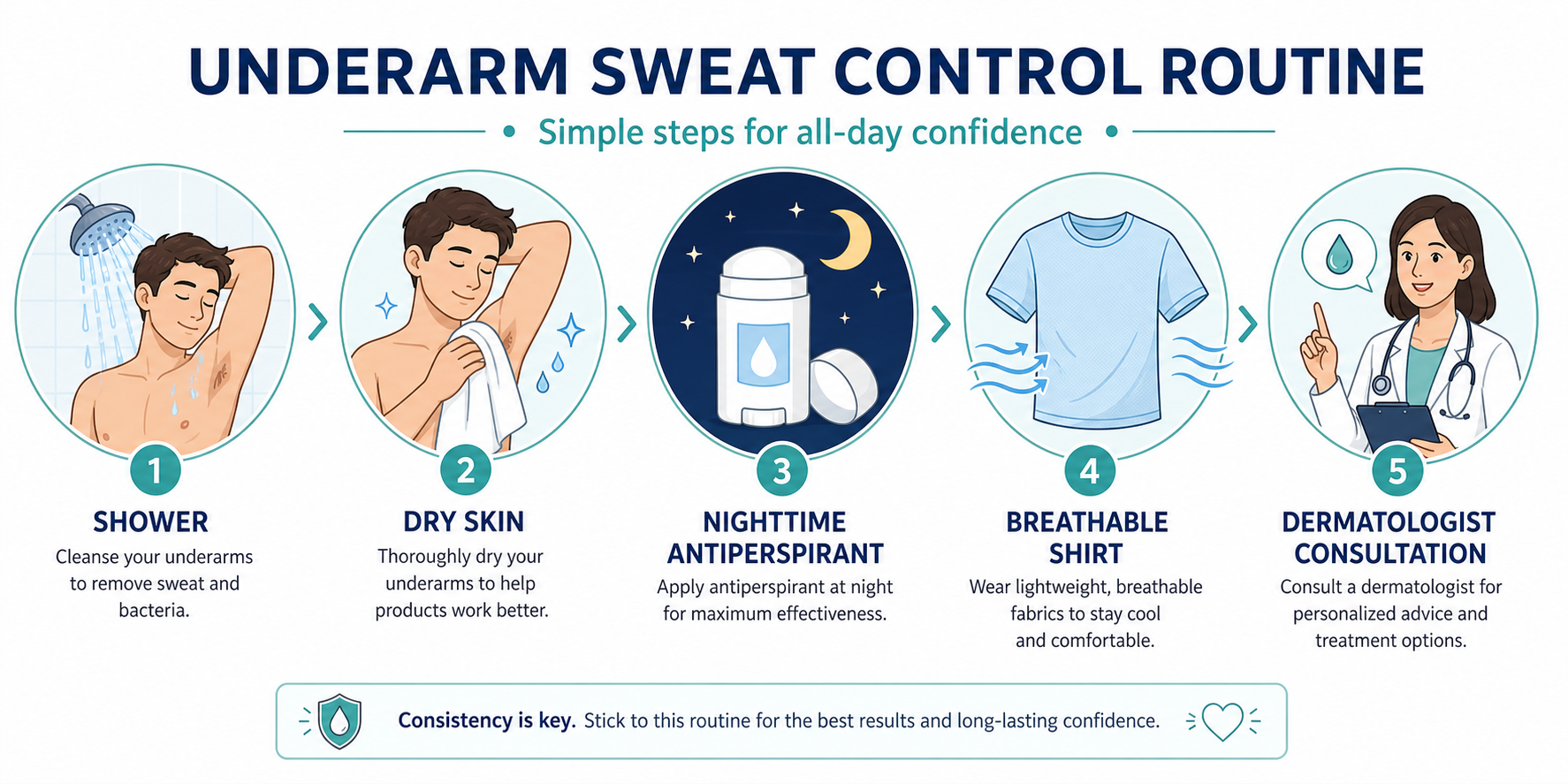
A simple routine works well for many people. Shower daily, dry underarms completely, apply clinical strength antiperspirant at night, wear breathable clothing, wash shirts after each wear, and track food or stress triggers. For important events, add an undershirt or sweat pads. If sweat still disrupts life, ask a dermatologist about hyperhidrosis treatments.
Armpit sweating does not have to control your clothing choices or confidence. Start with correct antiperspirant use and practical daily habits, then move to medical options if needed. With the right plan, sweaty armpits can become far easier to manage.