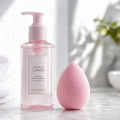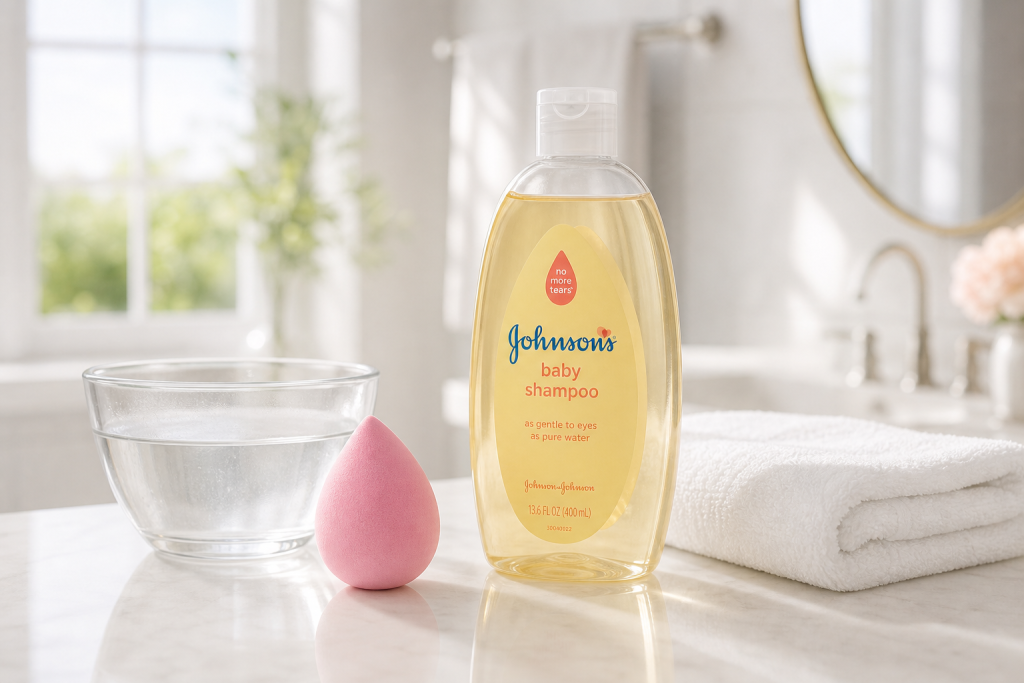

A damp makeup sponge can make foundation look smooth, skin-like, and polished, but it can also hold makeup residue, oil, dead skin, and bacteria if it is not washed well. Learning how to clean beauty blender with baby shampoo is one of the easiest, gentlest, and most affordable ways to keep your sponge fresh without buying a separate cleanser. Baby shampoo works because it is mild, low-irritation, and made to rinse clean, which makes it useful for delicate sponge material and daily makeup tools.
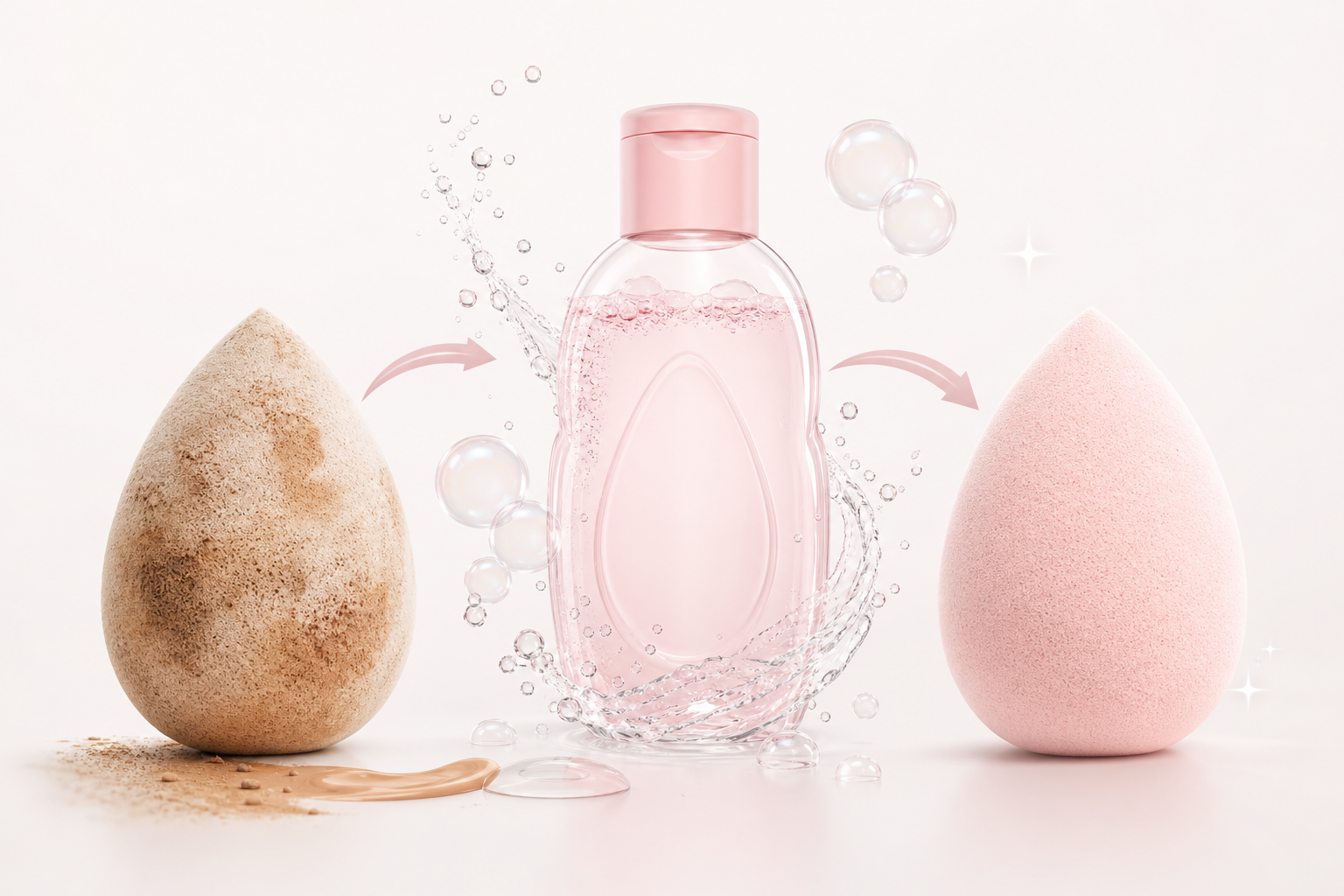
Introductory illustration
This method is especially practical if you use liquid foundation, concealer, cream blush, tinted moisturizer, sunscreen, or contour products. These formulas sink into porous sponge material fast. Plain water usually removes only surface pigment, while baby shampoo helps break down oily buildup inside sponge pores. With correct technique, your beauty blender can look cleaner, smell better, apply makeup more evenly, and last longer.
Why Baby Shampoo Works for Cleaning a Beauty Blender
Baby shampoo is a gentle cleanser designed to remove light oils and dirt without harsh stripping. For makeup sponges, this balance matters. A beauty blender needs enough cleansing power to lift foundation and concealer, but not so much detergent that sponge texture becomes dry, cracked, or crumbly.
Many people in the U.S. use baby shampoo as a makeup brush cleaner because it is easy to find at drugstores, grocery stores, Target, Walmart, and Amazon. Brands vary, but most baby shampoos are mild, lightly scented or fragrance-free, and affordable. That makes them a smart option for anyone who cleans makeup tools often.
Baby shampoo also rinses out better than many thick body washes or creamy facial cleansers. Heavy residue can make a sponge feel slick, change makeup application, or irritate sensitive skin. A clean-rinsing formula helps your sponge return to a soft, bouncy feel.
What You Need Before You Start
You do not need special equipment to wash a makeup sponge with baby shampoo. A sink, warm water, and patience do most of the work. Gather everything first so you can clean without stopping halfway.
-
Baby shampoo: Fragrance-free or gentle formulas are best, especially for acne-prone or sensitive skin.
-
Warm water: Warm, not hot. Hot water can weaken sponge material over time.
-
Clean towel: Use it to blot excess water after rinsing.
-
Small bowl: Optional, useful for soaking very stained sponges.
-
Textured silicone cleaning mat: Optional, but helpful for stubborn makeup stains.
Avoid dish soap, bleach, rubbing alcohol, and strong household cleaners. These products can damage sponge material and leave residues not meant for skin contact. Your sponge touches your face, so gentle cleaning matters.
Step-by-Step: Clean Your Beauty Blender with Baby Shampoo
1. Fully Wet Sponge with Warm Water
Hold sponge under warm running water until it expands and feels completely saturated. Squeeze it several times under stream. This helps loosen dried makeup trapped inside center of sponge.
Do not apply shampoo to a dry sponge. Dry sponge absorbs cleanser too quickly, which makes it harder to rinse and can leave soap stuck deep inside. A fully wet sponge lets shampoo spread more evenly.
2. Add Small Amount of Baby Shampoo
Place a dime-sized amount of baby shampoo directly onto stained areas. If your sponge is heavily coated with long-wear foundation or concealer, add a little more, but avoid overdoing it. Too much shampoo creates excess foam and makes rinsing take longer.
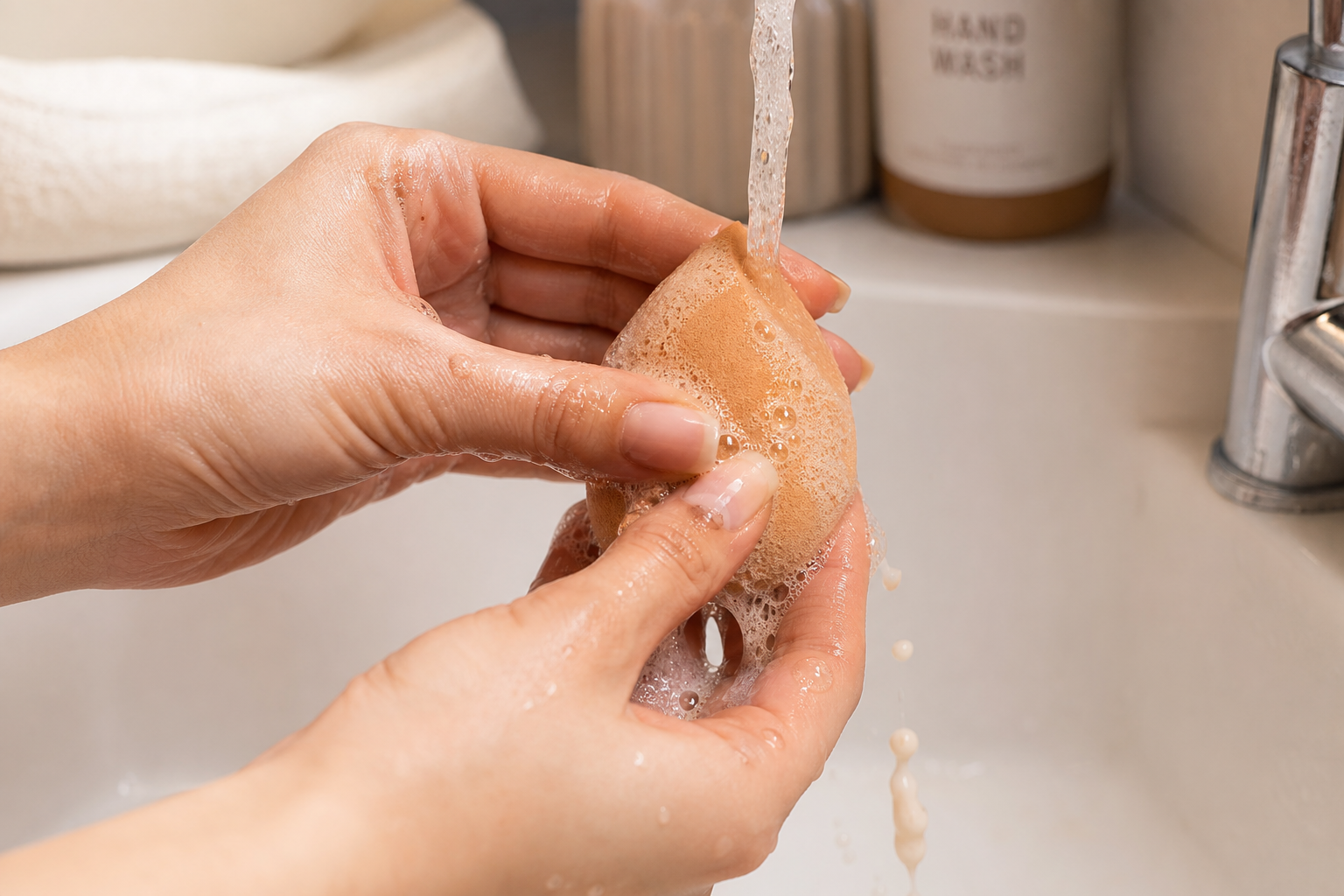
Work shampoo into sponge using gentle squeezing motions. Press, release, rotate, and repeat. Focus on areas with visible beige, tan, or pink makeup stains. Use fingertips, not nails, because nails can tear sponge surface.
3. Massage Until Makeup Breaks Down
Continue massaging for one to two minutes. You should see tinted water and foam coming out. This means makeup is lifting from sponge pores. For stubborn spots, add one more drop of shampoo and gently rub sponge against your palm or a soft silicone mat.
Do not twist or wring aggressively. Twisting can stretch sponge, create tiny cracks, and reduce bounce. Gentle pressure is enough. If stain does not disappear completely, it may be pigment discoloration rather than dirty residue.
4. Rinse Until Water Runs Clear
Rinsing is most important part of cleaning beauty sponge. Hold sponge under warm water and squeeze repeatedly until no foam or makeup color comes out. This may take longer than washing step, especially if sponge has not been cleaned for several days.
Check by squeezing sponge in your hand. If bubbles still appear, keep rinsing. Leftover shampoo can affect makeup application and may bother skin. Sponge should feel clean, soft, and not slippery when done.
5. Blot and Air-Dry Correctly
Wrap clean sponge in towel and press gently to remove excess water. Do not store damp sponge inside closed makeup bag, drawer, or airtight container. Moisture plus darkness can encourage odor and bacterial growth.
Place sponge in open, well-ventilated area. Let it dry fully before putting it away. A small sponge stand, clean soap dish, or breathable mesh pouch works better than sealed plastic packaging.
Deep-Clean Method for Stubborn Foundation Stains
Detailed illustration
If your sponge has old foundation buildup, normal washing may not be enough. A short soak can help loosen long-wear makeup, sunscreen, or cream products. Fill a small bowl with warm water and mix in a few drops of baby shampoo. Place sponge in mixture and squeeze it several times to pull soapy water inside.
Let sponge soak for 10 to 15 minutes. After soaking, massage stained areas gently, then rinse under running water until clean. This method is useful once a week if you wear full-coverage makeup or use waterproof formulas.
Do not soak sponge overnight. Long soaking can weaken material, encourage smell, and shorten sponge life.
How Often Should You Wash a Makeup Sponge?
For best hygiene, wash your beauty blender after every use, especially if you use liquid or cream products. In real life, many people clean it every two to three uses, but daily washing is better for acne-prone, oily, or sensitive skin.
If sponge smells musty, feels slimy, or has dark spots that look like mold, stop using it. Cleaning cannot always make a contaminated sponge safe again. Replace it instead.
Most makeup sponges should be replaced every three months with regular use. If you use sponge daily, apply heavy foundation, or notice tears sooner, replace earlier. Clean tools support smoother makeup and better skin hygiene.
Baby Shampoo vs. Beauty Blender Cleanser
Dedicated sponge cleansers are made for makeup residue and often remove stains faster. Solid cleansers can be especially good for long-wear foundation. However, baby shampoo is cheaper, easy to find, and gentle enough for frequent cleaning.
If your main concern is hygiene and everyday freshness, baby shampoo works well. If your main concern is removing deep pigment stains from a white or light pink sponge, a professional sponge cleanser may perform better. Many makeup users keep both: baby shampoo for daily washes and a solid cleanser for weekly deep cleaning.
Common Mistakes to Avoid
Using Too Much Shampoo
More cleanser does not always mean cleaner sponge. Excess shampoo gets trapped inside sponge and takes longer to rinse. Use small amounts and repeat only when needed.
Microwaving Without Care
Some viral cleaning methods recommend microwaving a sponge in soapy water. This can be risky. If sponge is not fully submerged, it can burn. Bowl and water can become extremely hot. Baby shampoo cleaning at sink is safer and usually enough.
Storing Sponge While Damp
A clean sponge can become dirty again if stored wet in a closed bag. Always air-dry fully. Good drying habits matter as much as washing.
Ignoring Tears or Texture Changes
If sponge starts flaking, cracking, or losing bounce, replace it. Damaged sponge can absorb too much product, apply makeup patchily, and become harder to clean.
Best Baby Shampoo Features for Makeup Sponges
Related context illustration
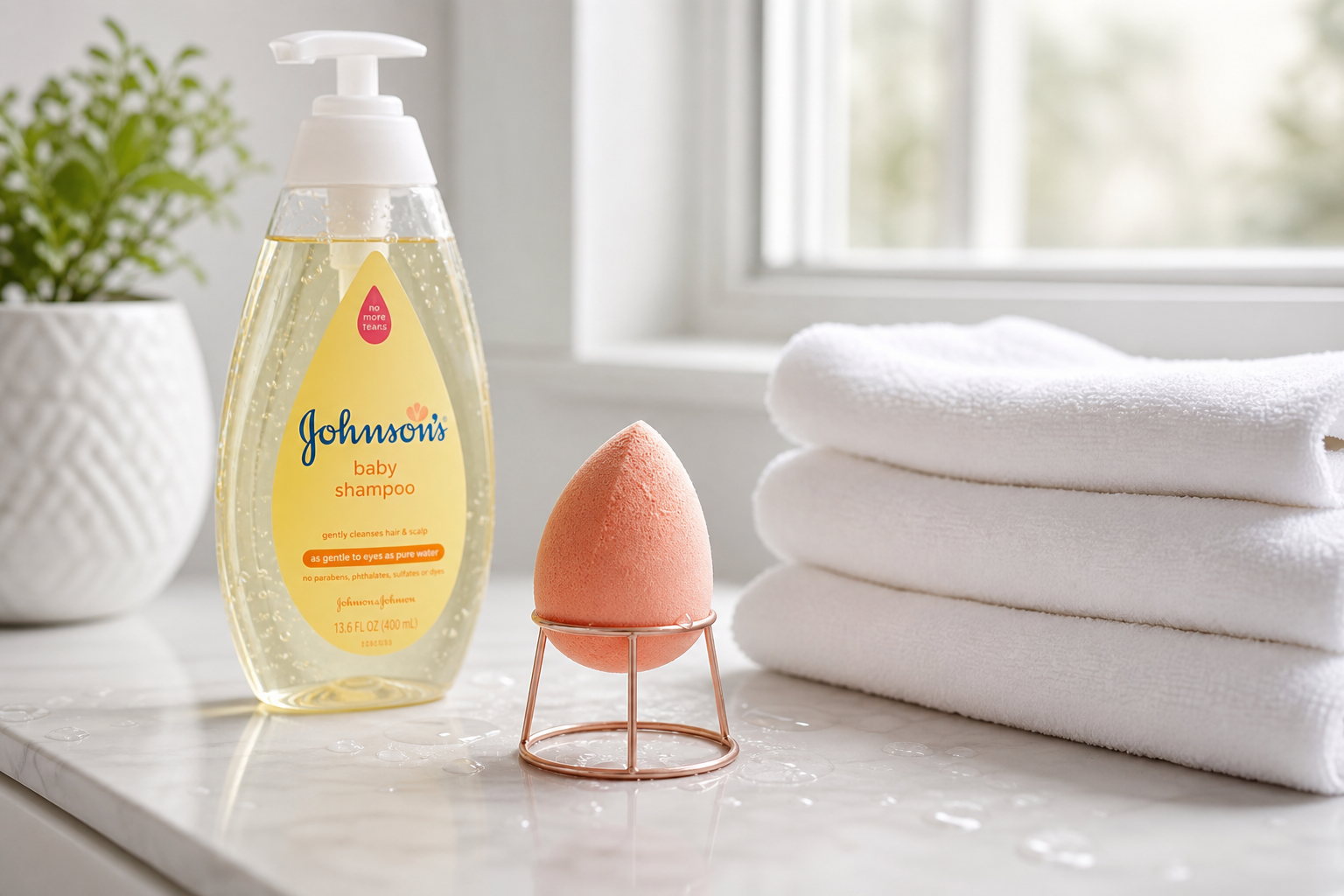
Choose mild baby shampoo with simple formula. Fragrance-free options are ideal for sensitive skin, though lightly scented versions can work if they do not irritate you. Avoid formulas that feel heavily moisturizing or leave a film, because residue may transfer to sponge and then to face.
Look for words like gentle, tear-free, hypoallergenic, and fragrance-free. These claims do not guarantee perfection, but they can help you choose better formula for sponge cleaning.
Quick Cleaning Routine for Busy Mornings
If you are short on time, rinse sponge immediately after makeup application. Add one small drop of baby shampoo, squeeze for 30 seconds, rinse until water is clear, then blot with towel. Place it somewhere open to dry while you leave for work, school, or errands.
This fast habit prevents makeup from drying inside sponge. Fresh stains are much easier to remove than old foundation buildup. Even quick cleaning is better than letting used sponge sit for days.
Does Baby Shampoo Disinfect a Beauty Blender?
Baby shampoo cleans, but it is not a true disinfectant. It removes makeup, oil, and visible grime, which helps reduce buildup. However, it does not sterilize sponge. For normal home makeup use, thorough washing and proper drying are usually enough.
If you have had an eye infection, skin infection, cold sore, or severe breakout, replace sponge rather than trying to disinfect it. Makeup tools can transfer bacteria and irritants back onto skin.
Final Thoughts
Cleaning a beauty blender with baby shampoo is easy, affordable, and effective for everyday makeup users. Warm water, gentle squeezing, careful rinsing, and proper air-drying can keep sponge fresher and help makeup apply more smoothly. Baby shampoo is not magic, and it will not always erase old pigment stains, but it can remove daily foundation buildup without harsh cleaning products.
For best results, wash sponge after each use, deep-clean weekly if you wear long-wear makeup, and replace sponge every few months. Clean sponge protects makeup finish, supports better skin hygiene, and makes daily beauty routine feel cleaner from start to finish.